





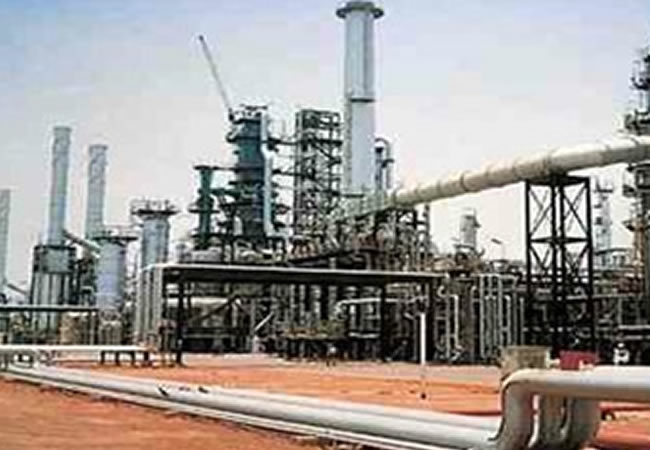
The Warri Refining and Petrochemical Company (WRPC), under the management of the Nigerian National Petroleum Company Limited (NNPCL), has partially resumed operations, marking a significant development for Nigeria’s refining capacity. While the refinery is not yet functioning at full capacity, it has begun producing and distributing Automotive Gas Oil (diesel) and Dual Purpose Kerosene (DPK). This partial resumption offers a glimmer of hope for a nation grappling with fuel shortages and dependence on imports. Independent Petroleum Marketers Association of Nigeria (IPMAN) and the National Union of Petroleum and Natural Gas Workers (NUPENG) have confirmed the loading and distribution of these products, signaling a positive step towards stabilizing the domestic fuel market. However, the much-anticipated production of Premium Motor Spirit (PMS), commonly known as petrol, is yet to commence, leaving consumers and marketers eager for its inclusion in the refinery’s output.
The current production at WRPC focuses solely on diesel and kerosene, with petrol production expected to commence in the near future, possibly by February. This phased approach suggests a cautious and strategic effort to ensure the refinery’s stability and optimize its performance before introducing the more complex refining process required for petrol. While the production of diesel and kerosene addresses some of the nation’s fuel needs, the absence of petrol production continues to be a pressing concern, especially given its widespread use in transportation and other sectors. The anticipation surrounding petrol production underscores its importance to the Nigerian economy and the high hopes placed on WRPC’s ability to contribute to its availability.
The limited activity observed at the WRPC site reflects the partial nature of its current operations. Compared to its previous peak performance, the refinery is currently operating at a significantly reduced capacity, with only one out of its three units currently functional. This single operational unit is responsible for the production of diesel, gas, and kerosene, while the remaining two units remain offline. The limited production capacity explains the relatively low number of trucks loading and leaving the refinery, a stark contrast to the bustling activity witnessed during the refinery’s peak operational periods. The resumption of full production hinges on the reactivation of the other two units, particularly the third and largest unit, which is crucial for petrol production.
The reactivation of the remaining two units at WRPC is crucial for achieving full production capacity and meeting the nation’s fuel demands. Industry experts indicate that substantial efforts and investments from both the Federal Government and NNPCL are required to bring these units back online. The third unit, being the largest and most complex, poses a particular challenge and is essential for petrol production. Its successful reactivation will be a key indicator of the refinery’s ability to contribute significantly to alleviating petrol shortages in the country. The limited production from a single unit underlines the urgency of activating the other units to maximize the refinery’s output and potential.
The partial resumption of operations at WRPC represents a significant step towards self-sufficiency in fuel production, but it is crucial to manage expectations. While the production of diesel and kerosene provides some relief, the absence of petrol production highlights the ongoing challenges in fully reviving the refinery. The focus now shifts to the reactivation of the remaining units, especially the third unit crucial for petrol production. This requires sustained efforts and investment from both the government and NNPCL. The success of this endeavor will determine the extent to which WRPC can contribute to meeting Nigeria’s fuel demands and reducing its reliance on imports.
The road to full operational capacity at WRPC is paved with challenges, requiring strategic planning, investment, and technical expertise. The successful reactivation of the remaining units will be a defining moment for Nigeria’s refining sector and its quest for energy independence. The current partial operation, while encouraging, underscores the need for sustained commitment and collaborative efforts to fully restore the refinery to its former glory and meet the nation’s growing fuel demands. The future of Nigeria’s fuel security rests heavily on the successful restoration of WRPC and other refineries across the country.








