





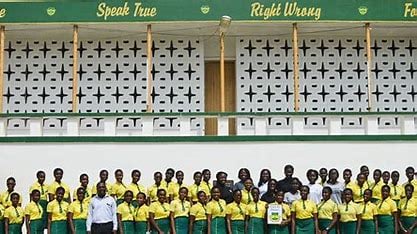
Wesley Girls’ Senior High School (SHS), a prominent institution in Ghana, finds itself embroiled in legal controversy over allegations of religious discrimination against Muslim students. The lawsuit, initiated by Ghanaian citizen Sahfic Osman, alleges a systematic suppression of Islamic practices within the school environment. This case raises critical questions about religious freedom, educational policies, and the constitutional rights of students within a diverse society. The core issue revolves around the school’s alleged prohibition of Muslim students from practicing their faith, a practice the plaintiff argues contravenes Ghana’s 1992 Constitution. The lawsuit seeks not only redress for affected students but also a broader reformation of religious policies within Ghana’s public education system.
The plaintiff’s central argument rests on the assertion that Wesley Girls’ SHS has implemented policies that effectively prevent Muslim students from observing fundamental tenets of their faith. This alleged suppression extends beyond mere inconvenience and constitutes a violation of their constitutional right to religious freedom. The plaintiff contends that the school’s actions create an environment where Muslim students are forced to choose between adhering to their religious beliefs and complying with school regulations, a dilemma that undermines their fundamental rights and creates an atmosphere of exclusion. The lawsuit seeks specific declarations from the court affirming that the school’s policies are unconstitutional and infringe upon the rights of Muslim students.
The plaintiff’s legal arguments hinge on several key articles within the 1992 Constitution of Ghana. Article 21 guarantees the freedom of belief and practice, including the right to manifest and propagate one’s religion or belief. The lawsuit argues that the school’s alleged prohibition of Islamic practices directly contradicts this constitutional guarantee. Furthermore, Article 26 safeguards the right to enjoy, practice, profess, maintain, and promote any culture, language, tradition, or religion subject to the provisions of the Constitution. The plaintiff contends that the school’s policies unduly restrict these rights for Muslim students. The suit also invokes Article 33(5), which incorporates international human rights of the child into Ghanaian law, arguing that the school’s actions undermine the welfare of Muslim students and violate their rights as children.
The lawsuit seeks not only declarations of constitutional violations but also practical remedies. A primary objective is to compel the Ghana Education Service (GES) to develop and implement constitutionally compliant guidelines for religious practice and observance in all public schools across the country. This request highlights the broader implications of the case, aiming to establish clear and equitable regulations that protect the religious freedom of all students within the public education system. The plaintiff’s pursuit of such guidelines underscores the desire for a systemic change that transcends the specific circumstances of Wesley Girls’ SHS and addresses the potential for religious discrimination in other schools.
The case against Wesley Girls’ SHS brings into sharp focus the challenges of balancing religious freedom with institutional policies within a diverse and secular educational system. The lawsuit’s outcome could have significant ramifications for how religious practices are accommodated within Ghanaian schools. It raises questions about the permissible limitations on religious expression within educational settings and the responsibilities of educational institutions to respect the diverse religious beliefs of their students. The case’s broader impact may extend beyond legal precedent, sparking crucial public discourse on religious tolerance, inclusivity, and the role of education in fostering a harmonious society.
This legal challenge serves as a critical examination of Ghana’s commitment to religious freedom as enshrined in its constitution. The outcome will undoubtedly influence the future landscape of religious practice within public schools and potentially shape national policies regarding religious diversity and accommodation. The case highlights the ongoing tension between individual rights, institutional policies, and the broader societal goal of promoting inclusivity and respect for all religious beliefs. It underscores the importance of open dialogue and legal frameworks that ensure the protection of fundamental freedoms for all citizens, especially within educational institutions where the future generation is shaped.








