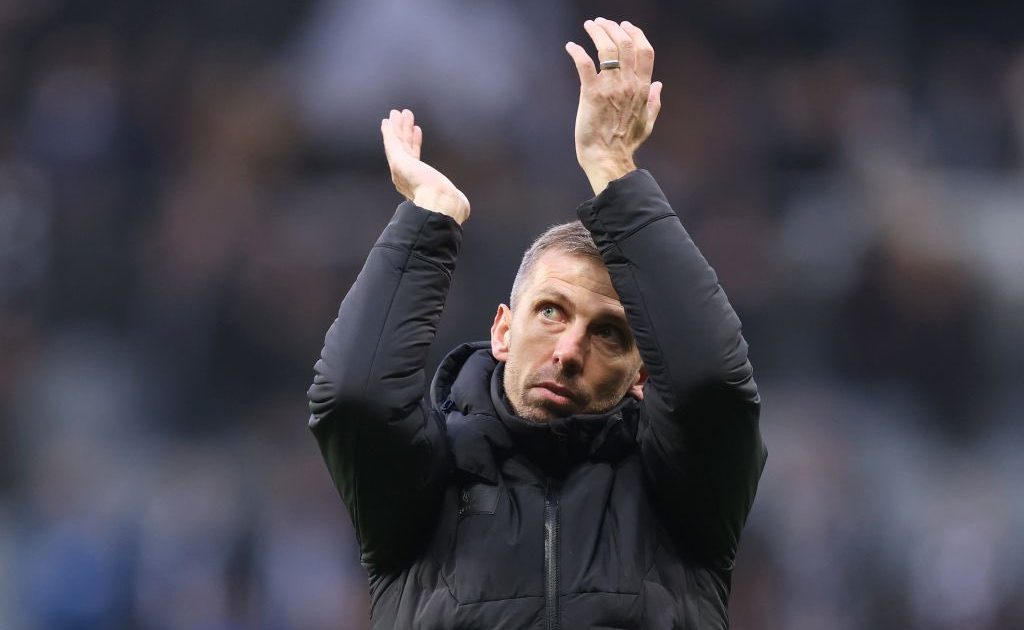
The dismissal of Gary O’Neil as head coach of Wolverhampton Wanderers Football Club marks a dramatic turn of events for the struggling Premier League side. O’Neil’s tenure, which began with promise and a new four-year contract just a month prior, ended abruptly following a string of disappointing results, culminating in a 2-1 home defeat to Ipswich Town. This loss, compounded by escalating on-field tensions and a dismal league position, ultimately sealed O’Neil’s fate. The club’s official statement, released via X (formerly Twitter), expressed gratitude for O’Neil and his staff’s efforts but offered no specific reasons for the dismissal, simply stating they had “parted company.” This sudden change in leadership underscores the immense pressure and precarious nature of managerial positions in the high-stakes world of professional football, especially when a team faces the threat of relegation.
O’Neil’s journey at Wolves began in August 2023, stepping in after the departure of Julen Lopetegui. His initial season, while not spectacular, saw the team secure a 14th-place finish in the Premier League, a respectable outcome considering the circumstances surrounding his appointment. However, the 2024-25 season painted a far bleaker picture. After 16 games, Wolves found themselves languishing near the bottom of the table, having accumulated a mere nine points. This precipitous decline in performance, coupled with growing unrest within the squad, created an environment ripe for change. The Ipswich defeat, a crucial match against a fellow relegation contender, proved to be the final straw for the Wolves hierarchy. The inability to secure a positive result against a team in a similar predicament highlighted the severity of the situation and likely accelerated the decision-making process regarding O’Neil’s future.
The Ipswich match not only exposed Wolves’ on-field struggles but also brought simmering tensions within the squad to a boiling point. Rayan Ait-Nouri’s sending-off for a second yellow card, followed by Matheus Cunha’s need to be restrained by teammates, underscored the frustration and lack of composure within the ranks. These incidents, occurring in front of the home crowd, painted a troubling picture of a team struggling to control its emotions and maintain discipline under pressure. This lack of discipline mirrored a similar incident in the previous match against West Ham, where Mario Lemina’s altercation with Jarrod Bowen resulted in him being stripped of the captaincy. These recurring disciplinary issues further compounded the team’s woes and likely contributed to the decision to replace O’Neil.
The recurring theme of disciplinary issues and on-field altercations points to a deeper malaise within the Wolves squad. While O’Neil, in his post-match comments after the Ipswich defeat, emphasized the need for players to take responsibility for their actions, the repeated nature of these incidents suggests a systemic issue. The pressure of a relegation battle, combined with potential internal conflicts and a lack of clear leadership, appears to have created a volatile environment detrimental to team performance. O’Neil’s attempts to address these issues, as evidenced by his public statements and the stripping of Lemina’s captaincy, ultimately proved insufficient to stem the tide of negativity surrounding the club.
The timing of O’Neil’s dismissal, so soon after signing a new four-year contract, highlights the ruthless nature of football management. Despite the initial vote of confidence implied by the contract extension, the club’s hierarchy clearly felt the need for immediate change to arrest the team’s slide towards relegation. The swiftness of the decision suggests that Wolves’ leadership had already been considering alternative options and were prepared to act decisively in the face of continued poor performances. The four-year contract, while intended to signal stability and long-term planning, ultimately served as little protection for O’Neil once the team’s results took a turn for the worse. This scenario serves as a stark reminder that in the world of professional football, job security for managers is often directly tied to immediate results, regardless of previous commitments or long-term plans.
The search for O’Neil’s replacement now begins, with Wolves facing a crucial juncture in their season. The new manager will inherit a team low on confidence, struggling with disciplinary issues, and deeply embroiled in a relegation battle. The immediate priority will be to stabilize the squad, instill a sense of discipline, and find a way to generate positive results quickly. The January transfer window will also present an opportunity to reshape the squad and address any deficiencies within the team. The task ahead is daunting, but with the right leadership and strategic decisions, Wolves can still hope to escape the relegation zone and secure their place in the Premier League for another season. The appointment of the next manager will be crucial in determining whether Wolves can turn their fortunes around and avoid the devastating consequences of relegation.