The inaugural Accra Mobility Prediction Hackathon, held on November 23, 2024, at The University of Ghana, marked a significant step forward in addressing urban transportation challenges in Accra, Ghana. Organized by Zindi Africa and powered by Yango Group, the hackathon attracted over 200 data science students and technology enthusiasts, both onsite and online. Participants were tasked with developing advanced machine learning models to forecast average traffic speeds at various times throughout the day, tackling real-world transportation issues identified by Yango’s data science team. Following the successes of similar hackathons in Zambia, DR Congo, and Mozambique, the event highlighted the importance of collaborative efforts between the academic and private sectors in resolving urban mobility problems.
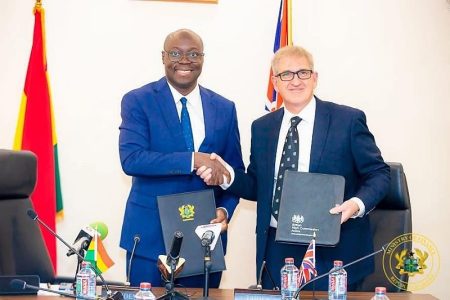
The impact of the hackathon was underscored by Mr. Richard Okyere-Fosu, Director General of the National Information Technology Agency (NITA), who praised the initiative for fostering collaboration between industry and academia to improve urban mobility in Ghana. He emphasized the potential of technology and data science to tackle pressing societal challenges and urged more private sector entities to join in similar initiatives. Okyere-Fosu noted that the hackathon represents a significant milestone in Ghana’s ICT policy efforts, which emphasize digital entrepreneurship and the nurturing of young talents in technology. His support of Yango and Zindi’s efforts reflects a growing recognition of the role of innovative technology solutions in enhancing urban living conditions.
Notably, the inaugural edition of the Accra Mobility Hackathon saw significant female participation, with 32 women comprising 16% of the total participants. The competition yielded impressive results, with the top-performing model achieving a remarkable Root Mean Square Error (RMSE) score of 1.42, indicating a highly accurate prediction of traffic speeds. Dr. Nii Longdon Sowah, a senior lecturer at the University of Ghana, expressed his enthusiasm regarding the turnout and the educational value of the experience for students, many of whom were new to hackathons. The collaborative environment allowed participants from five universities across Ghana to work together, acquire practical skills, and gain insights into addressing real-world problems through technology.
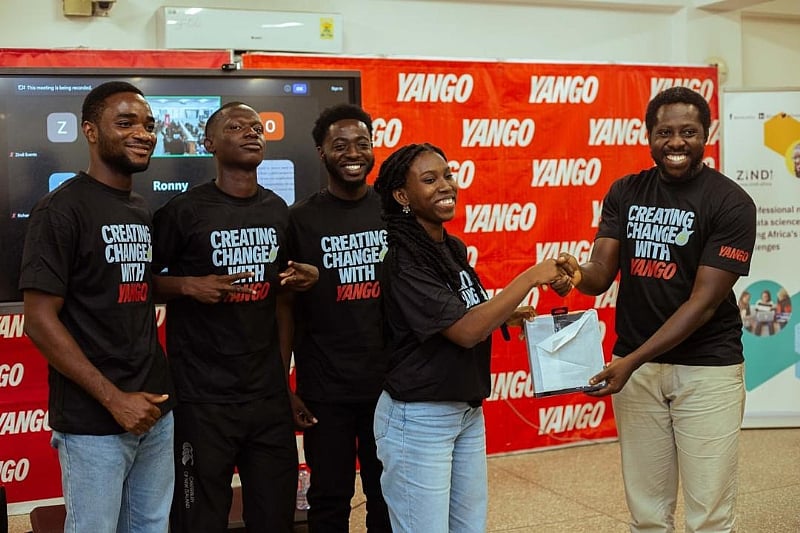
Ronny Polle emerged as the winner of the hackathon with his innovative machine learning model designed to predict traffic speeds. Emmanuel Kwamesekyi and Offei Bekoe secured the second and third places, respectively, while Duke Kojo Kongo, an undergraduate from the University of Ghana, was awarded for the best student entry. The recognition of these top performers not only highlighted their technical skills but also showcased the potential of young talent in devising solutions to pressing urban mobility issues. Yango’s Country Manager, Tom Ofonime, shared insights into the importance of such challenges in enhancing Yango’s services, particularly in relation to accurate travel time predictions essential for customer satisfaction and operational efficiency.
Yango’s commitment to technological advancement and educational initiatives resonates strongly with the goals of the hackathon. The event built upon several corporate social responsibility programs previously conducted by the company to promote skill development in the tech sector. The Yango Education Program, which has provided hundreds of Ghanaians with free access to courses in data analytics using Python and SQL, exemplifies Yango’s dedication to empowering the next generation of technology leaders. With plans to expand and enhance similar initiatives in the future, Yango aims to continue fostering technological innovation and education within Ghana’s burgeoning tech landscape.
In conclusion, the Accra Mobility Prediction Hackathon not only served as a platform for participants to showcase their skills and creativity but also illuminated the pressing need for innovative solutions to urban mobility challenges in Ghana. As industry leaders, educators, and students come together in collaborative efforts, the potential for transforming urban transportation through technology becomes increasingly tangible. The excitement surrounding the hackathon marks the beginning of ongoing partnerships and initiatives that will continue to shape the future of urban mobility in Accra and beyond. With companies like Yango leading the way, the integration of technology and data science into everyday services promises to create a more efficient and responsive urban environment for all residents.