









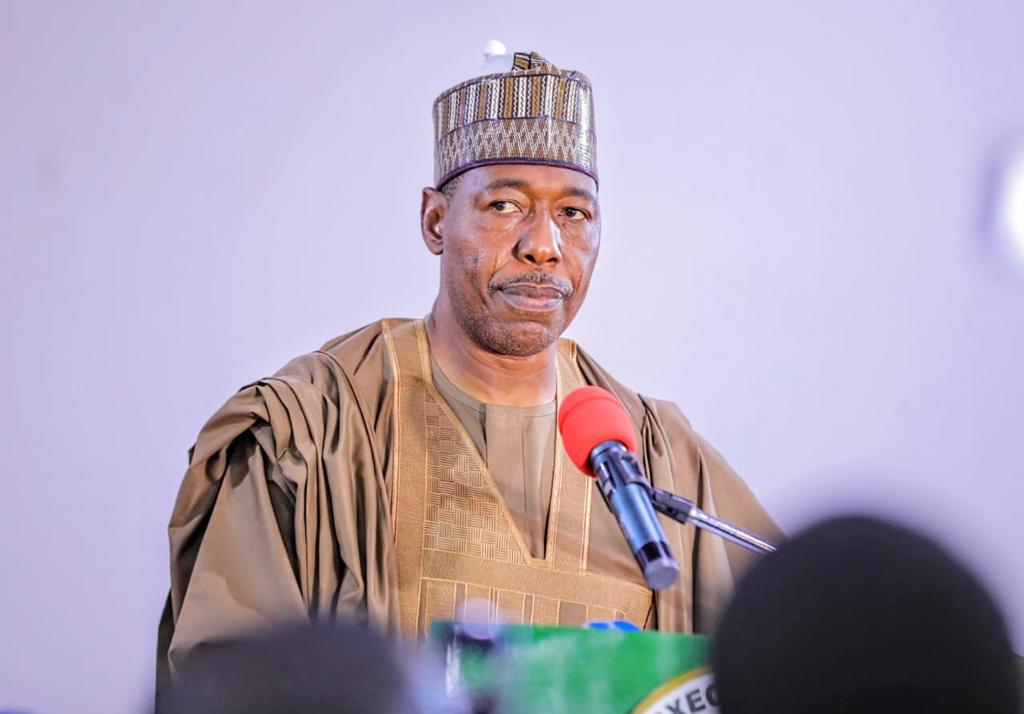
Borno State Governor Babagana Zulum has expressed profound apprehension regarding a proposed tax reform bill currently under consideration by the National Assembly. In a recent interview with BBC Hausa, Zulum articulated his concern over the swift progression of this bill through legislative channels, particularly contrasting its rapid advancement with the lengthy deliberation of the Petroleum Industry Bill, which took nearly two decades to materialize. He emphasized the importance of treating such significant legislation with caution and thorough consideration for the long-term repercussions it may have on future generations, questioning the rationale behind the accelerated timeline for the tax reform bill, which could potentially lead to adverse effects on various regions in Nigeria.
Zulum has raised alarms about how the structure of the proposed tax reform is potentially biased against the Northern region, asserting that it could lead to substantial setbacks not only for Northern states but also for areas in the South, such as South East, South West, and specific states like Oyo, Osun, Ekiti, and Ondo. He condemned the legislation as detrimental and warned that if enacted, it would have a deleterious impact on the socio-economic development in these regions. The rush to push the bill through, according to Zulum, disregards the multifaceted realities of governance and the necessities of equitable development across Nigeria. He highlighted concerns that the proposed reforms could exacerbate existing regional disparities.
Furthermore, Zulum insinuated that external influences might be leading President Bola Ahmed Tinubu to believe that the Northern region lacks support for his administration. Notably, Zulum reminded the President that he garnered a significant portion of his votes from Northern constituents, and he urged a reconsideration of the proposed tax measures. He argued that the perception of perceived opposition from the North is unfounded, asserting instead that the opposition to the bill reflects genuine concern for its implications on governance and the well-being of citizens rather than a rejection of government authority.
The governor issued a stark warning that the successful passage of the tax reform bill would severely hinder development initiatives across Northern states, including the capacity to pay civil servants’ salaries. He cautioned that the financial strain imposed by the new tax structure might lead to unsustainable fiscal practices. Zulum also pointed to the broader discontent, noting that even states such as Lagos are opposed to the bill, implying that if a proposal is disadvantageous to multiple regions, it warrants reevaluation. His statements underscored a collective sense of disapproval extending beyond his constituency, calling into question the motivations driving the tax reform agenda.
Zulum articulated that the opposition from the North East, where he speaks for his region, should not be misinterpreted as opposition to the federal administration. He reaffirmed their support for President Tinubu yet maintained that the tax reforms are incongruent with the needs and aspirations of the Northern population. This assertion delineates the position of Northern leaders advocating for their constituents while simultaneously supporting the broader goals of national governance. The political landscape, as represented by Governor Zulum, reflects a nuanced understanding that regional concerns must be incorporated into national policies to cultivate an inclusive governance approach.
Reports indicate that the Senate had recently advanced the tax bills to a second reading, with debates amongst lawmakers highlighting the contentious nature of the reforms. The bills include notable legislative proposals such as the Nigeria Tax Bill 2024, which seeks to establish a comprehensive fiscal framework, the Tax Administration Bill aimed at clarifying tax-related legal stipulations, the Nigeria Revenue Service Establishment Bill intended to overhaul existing revenue collection frameworks, and the Joint Revenue Board Establishment Bill designed to create a tax tribunal. With the Committee on Finance tasked with reviewing the bills within six weeks, the contentious discussions surrounding them are expected to continue, reflecting the complex interplay of regional interests and national legislative efforts in Nigeria’s governance.









