









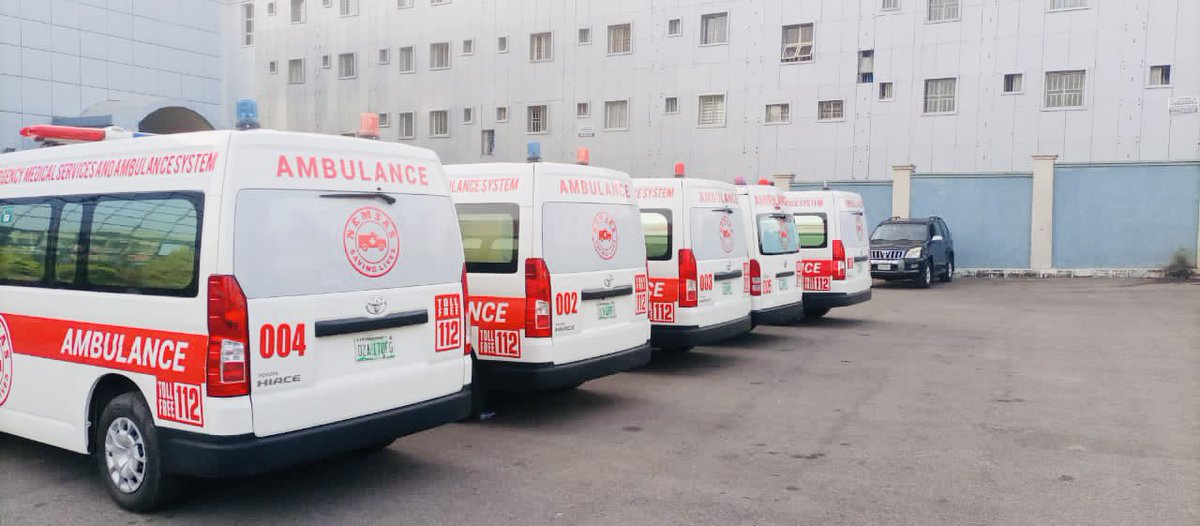
The Federal Government of Nigeria, through the National Emergency Medical Services and Ambulance System (NEMSAS), is set to implement a significant initiative aimed at providing free emergency transportation services to 1.7 million pregnant women residing in rural areas. This announcement was made by Nasir Yakubu, the Head of Management at NEMSAS, during a stakeholder engagement event held in Bauchi State. The initiative is part of a broader effort supported by the World Bank and will be rolled out through a coordinated State Emergency Medical Services and Ambulance System across 15 selected states by December 2025, with Bauchi being a key participant.
Yakubu emphasized that this initiative aligns with President Bola Tinubu’s commitment to advancing universal health coverage in Nigeria, especially for rural populations who often face barriers to accessing quality healthcare. He highlighted the program’s focus on the need for effective and timely emergency transport services, particularly for pregnant women who are disproportionately affected by limited healthcare access. This initiative is anticipated to contribute meaningfully to Nigeria’s health sector renewal investment initiatives, which are emphasized by the Coordinating Minister of Health.
The core objective of this program is to enhance the demand for and improve the accessibility of rural emergency services, particularly for maternal healthcare. Yakubu pointed out that the plan targets not only urgent medical transportation but also aims to elevate the standards of care provided to pregnant women in these underserved communities. By introducing this initiative, the government hopes to tackle the critical challenges that rural dwellers face in obtaining prompt and efficient medical services, thereby reducing maternal morbidity and mortality rates.
Moreover, the program is structured to deliver 24/7 emergency medical services to citizens, ensuring that they receive immediate assistance whenever needed. Yakubu announced that, for the first 48 hours of medical treatment, patients transported under this program would incur no charges, thereby alleviating some of the financial burdens associated with emergency healthcare services. This approach is particularly vital in rural settings where many individuals may lack the financial means to seek urgent medical attention.
The initiative signifies a considerable leap towards addressing the longstanding issue of healthcare accessibility in Nigeria, particularly in rural areas where emergency medical services are often lacking. The establishment of a comprehensive ambulance system is seen as a pivotal step in providing a safety net for expectant mothers who are at risk due to inadequate access to medical facilities. Yakubu’s statements reinforced the government’s intent to ensure that rural residents are supported throughout their healthcare journeys, starting from their homes.
In conclusion, the Federal Government’s initiative through NEMSAS represents a proactive approach to improving healthcare delivery for rural populations in Nigeria. By focusing on free emergency transportation for pregnant women, the program aims to enhance maternal health outcomes significantly. If successfully implemented by December 2025, this initiative could serve as a model for similar programs in the future, addressing critical gaps in healthcare accessibility and ensuring that quality medical services are within reach for all Nigerians, particularly those in rural communities.









