





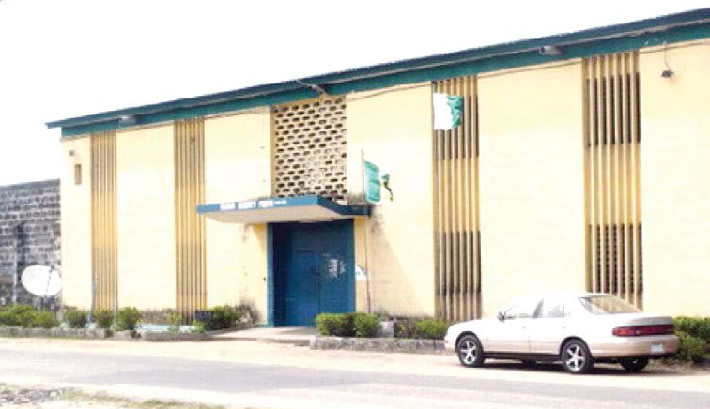
In a bold initiative aimed at addressing the severe overcrowding in Nigeria’s prison system, a total of 12 state governors have undertaken significant measures to grant clemency to over 1,780 inmates nationwide since the beginning of January 2024. This movement, which has been characterized as a coordinated approach to prison decongestion, is not solely driven by the governors but is supported by state chief judges and various non-governmental organizations (NGOs). The collaborative efforts aim to alleviate the burden on correctional facilities, thereby enhancing the overall justice system and ensuring that wrongful detentions are rectified.
The coordinated clemency efforts initiated the year with a notable mass pardon on New Year’s Day. Governors from four states—Benue, Nasarawa, Gombe, and Taraba—collectively released 96 inmates, setting a precedent for the month. This initial act of mercy laid the groundwork for a series of releases throughout the year. On March 19, a significant intervention was made by the Headford Foundation, an NGO focused on justice reform, resulting in the release of 628 wrongfully detained individuals across five states, including Lagos, Ekiti, Delta, Ogun, and Rivers. This event signaled the increasing involvement of civil society in addressing prison injustices.
The momentum continued with various state leaders taking individual action to address the plight of inmates. On March 20, Oyo State Chief Judge Justice Iyabo Yerima pardoned 38 inmates, followed closely by Bauchi State Governor Bala Mohammed, who released 96 inmates on March 22. Additionally, Justice Simeon Chibuzor-Amadi, the Chief Judge of Rivers State, facilitated the release of 24 inmates from the Port Harcourt Maximum Custodial Centre the same month. Such actions reflect a growing recognition of the need to reform outdated and overcrowded prison systems, with state authorities responding to the urgent calls for justice.
As 2024 progressed, the trend of clemency continued with Katsina State Governor Dikko Radda announcing on April 9 his decision to settle fines in order to secure the release of 222 inmates. Ogun State’s Chief Judge, Justice Mosunmola Dipeolu, further contributed to the cause by ordering the release of 49 inmates at the end of April. This stream of pardons continued on May 29, when Plateau State Governor Caleb Mutfwang liberated 13 inmates. Meanwhile, Ogun Governor Dapo Abiodun pardoned 41 inmates, while Kaduna Governor Uba Sani released 110 inmates. This surge of pardons highlighted the urgent and practical steps regional authorities were taking to mitigate prison overcrowding.
In the latter months of the year, additional significant releases demonstrated an unwavering commitment to justice reform. On September 12, Justice Hasfat Abdulrahaman of Adamawa State released 156 inmates during inspections of correctional facilities in Yola. The ongoing efforts culminated on October 1 when the governors of Ondo, Plateau, and Benue came together to pardon 128 inmates. Subsequently, Zamfara State Governor Dauda Lawal facilitated the release of 31 inmates on October 18, leading into October 22 when Kano State Chief Judge Justice Dije Abdu-Aboki ordered the release of 37 inmates from the Goron Dutse Custodial Centre. Meanwhile, Sokoto State Governor Ahmed Aliyu pardoned another 113 inmates, reflecting the collective momentum of state-led initiatives for reform.
These widespread efforts illustrate a significant shift in Nigeria’s approach to criminal justice, particularly regarding the treatment of inmates and the conditions within correctional facilities. The engagements of governors and chief judges, along with NGOs, underscore a collective recognition of the need for systemic changes in the prison system, not only to alleviate overcrowding but also to restore a sense of dignity to those who have faced wrongful detention. By liberating inmates and acknowledging the flaws within the justice system, these leaders are contributing to a broader movement towards rehabilitation, restorative justice, and human rights in Nigeria.
In summary, the combined efforts of state governors, chief judges, and NGOs aims to build a more equitable justice system, one that recognizes the importance of fairness and compassion. The trajectory of reforms initiated in 2024 heralds a new dawn for criminal justice in Nigeria, one that prioritizes decongestion of prisons while addressing the fundamental issues surrounding wrongful imprisonment. As this wave of pardons continues, it draws attention to the necessary dialogues and actions needed to forge a more humane and effective approach to justice in the country.








