





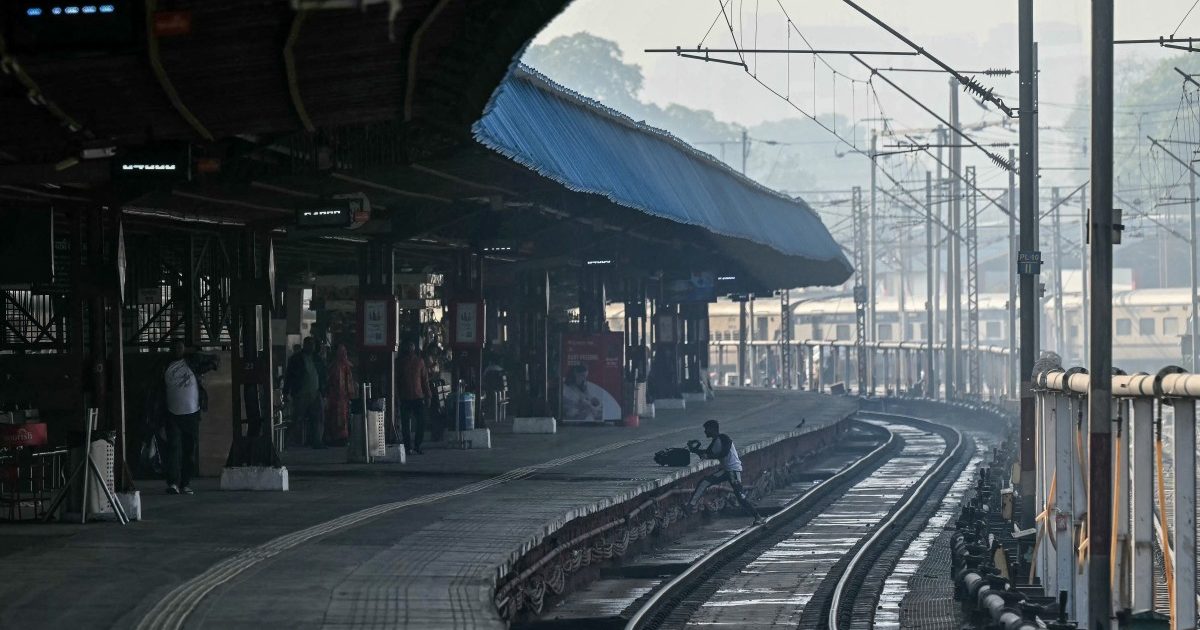
The Kumbh Mela, a massive Hindu religious gathering held every 12 years in Prayagraj, India, was marred by tragedy on Saturday, February 24, 2024, when a stampede at a New Delhi railway station claimed the lives of at least 18 people, mostly women and children. The incident occurred as throngs of devotees attempted to board trains bound for the festival, which draws tens of millions of pilgrims and is scheduled to conclude on February 26. The surge of people trying to access the platform for a Prayagraj-bound train led to a crush on the escalators and stairs, resulting in numerous fatalities and injuries. Dr. Ritu Saxena, deputy medical superintendent of Lok Nayak Hospital, confirmed 15 deaths at the hospital, attributing the cause of death primarily to hypoxia or potential blunt force trauma, pending autopsy results. Eleven others were admitted with injuries, mostly orthopedic in nature. NDTV, citing an official from another hospital, reported three additional fatalities, bringing the total death toll to at least 18.
The scene at the railway station was described as chaotic, with a porter who had worked at the station since 1981 remarking that he had never witnessed such a large crowd. The sudden shift of the platform for the Prayagraj train appears to have contributed to the confusion and the subsequent stampede. As people jostled to board the train, they collided and fell, leading to the tragic loss of life. The incident underscores the challenges of managing massive crowds at events like the Kumbh Mela, which attracts hundreds of millions of devotees over its six-week duration. The sheer volume of people converging on a single location presents logistical and safety concerns, highlighting the need for robust crowd control measures.
Following the stampede, Indian Railways Minister Ashwini Vaishnaw announced a high-level inquiry to investigate the circumstances surrounding the incident and determine the factors that contributed to the tragedy. He also assured the public that additional special trains were being deployed to alleviate the pressure on existing services and facilitate the movement of devotees to and from Prayagraj. Prime Minister Narendra Modi expressed his distress over the incident on X (formerly Twitter), offering condolences to the bereaved families and praying for the speedy recovery of the injured. The governor of Delhi, Vinai Kumar Saxena, activated disaster management personnel and placed hospitals on high alert to address any further exigencies.
This devastating stampede is not an isolated incident at the Kumbh Mela. The festival has a history of crowd-related disasters, including a stampede just last month that claimed at least 30 lives at the confluence of the Ganges, Yamuna, and Saraswati rivers – a holy site for Hindus. The most catastrophic incident occurred in 1954 when over 400 people perished in a single day due to trampling and drowning, marking one of the deadliest crowd-related disasters globally. In 2013, another stampede resulted in the deaths of 36 individuals. These recurring tragedies raise serious questions about the effectiveness of crowd management strategies implemented during the festival and underscore the urgent need for enhanced safety measures.
The Kumbh Mela, considered the single most significant event on the Hindu religious calendar, is a testament to the profound faith and devotion of millions of pilgrims. The festival’s spiritual significance draws people from all corners of India and beyond, seeking blessings and purification in the holy waters. The sheer scale of the event, however, presents formidable challenges in terms of crowd control and safety. Ensuring the well-being of such a massive gathering requires meticulous planning, effective communication, and the deployment of adequate resources to manage the flow of people and prevent overcrowding.
The tragic events of February 24, 2024, serve as a grim reminder of the potential risks associated with large-scale gatherings, particularly in contexts where religious fervor and limited infrastructure converge. The recurrence of stampedes at the Kumbh Mela highlights the imperative for a comprehensive review of safety protocols and the implementation of more robust crowd management strategies. It is crucial to learn from past tragedies and implement preventive measures to ensure the safety and well-being of all participants in future iterations of this important religious festival. The balance between facilitating religious expression and ensuring public safety remains a critical challenge for organizers, and the lessons learned from this incident must inform future planning to prevent such devastating losses of life.








