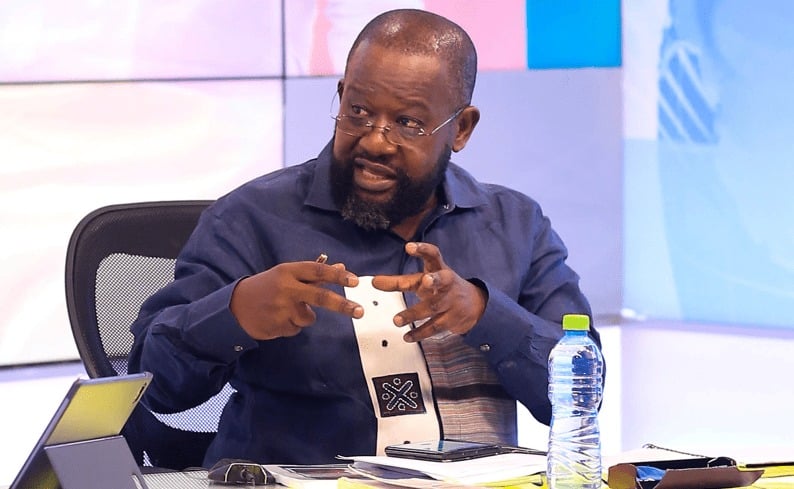
Kwame Jantuah, a prominent private legal practitioner and member of the Convention People’s Party (CPP), has voiced significant skepticism regarding the ambitious promises being made by the flagbearers of the New Patriotic Party (NPP) and the National Democratic Congress (NDC) in the lead-up to the 2024 general elections. In a recent interview with GHOne TV, he raised critical questions about how both Dr. Mahamudu Bawumia and John Dramani Mahama intend to finance these extensive pledges when Ghana is grappling with pressing economic difficulties. Jantuah’s remarks reflect a wider concern among the public regarding the feasibility of political commitments in the context of the nation’s fiscal constraints.
The fundamental issue Jantuah identifies is the apparent disconnect between the grand promises made by political leaders and the sobering realities of Ghana’s current economic landscape. He explicitly expressed doubt about the potential financial backing for these promises, emphasizing that it is unrealistic to expect that ambitious initiatives can be financed without a clear and practical plan. Jantuah’s questioning of the financial underpinning of these promises is especially relevant as it comes at a time when the country faces increasing pressures on its economy, including substantial public debt and persistent fiscal deficits.
Looking ahead, Jantuah warned of a particularly challenging financial period for Ghana from 2025 to 2028, suggesting that the country’s strained economic conditions may hinder the realization of these campaign promises. He asserted that many candidates are pledging more than the nation’s economic situation can realistically accommodate, further underscoring the need for politicians to remain grounded in their promises. This perspective aligns with a broader critique of political narratives that often prioritize electoral gain over feasible, sustainable planning, leaving future governments and citizens to grapple with the repercussions of unfulfilled commitments.
Moreover, Jantuah highlighted a recurring theme in past administrations—namely, the trend of making ambitious promises without establishing clear financial frameworks necessary for their implementation. This pattern has historically resulted in incomplete projects and unfulfilled pledges, leading to public disillusionment with political leadership. His concerns underscore the vital need for a new approach, where candidates undertake to not just make bold assertions but also present actionable strategies that demonstrate how they will actualize their proposals within the constraints of the national budget.
The heightened political rhetoric from both the NPP and the NDC, as they vie for voter support, amplifies the importance of Jantuah’s critiques. As both parties outline their visions for the future, his calls for realism in political pledges resonate with a public weary of past disappointments. The looming election demands that candidates prioritize transparency and fiscal accountability, addressing the intricate balance between ambition and economic sustainability.
In summary, Jantuah’s remarks shed light on a critical discourse during a pivotal election period for Ghana. His emphasis on the need for realistic campaign pledges, grounded in actionable financial plans, serves to remind voters and political actors of the importance of aligning promises with fiscal realities. As Ghana navigates its economic challenges, fostering public trust and ensuring sustainable governance will require a departure from empty promises, focusing instead on strategies that prioritize the long-term welfare of the nation.