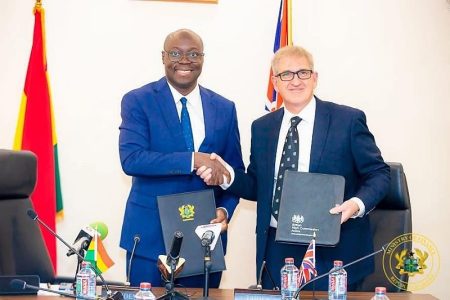
Abraham Amaliba, the Director of Conflict Resolution for the National Democratic Congress (NDC), has revealed significant developments regarding the party’s stance on the 2024 election peace pact signed by its flagbearer, John Dramani Mahama. On November 28, 2024, Mahama signed the peace agreement, which is typically endorsed by flagbearers of competing presidential candidates to ensure free and fair elections in Ghana. However, the NDC had initially indicated that they would withdraw from participating in this traditional agreement. Amidst these conflicting signals, Amaliba clarified that Mahama’s signing was not an endorser of the pact’s terms but was executed under protest, highlighting the party’s deeper concerns regarding the agreement’s provisions.
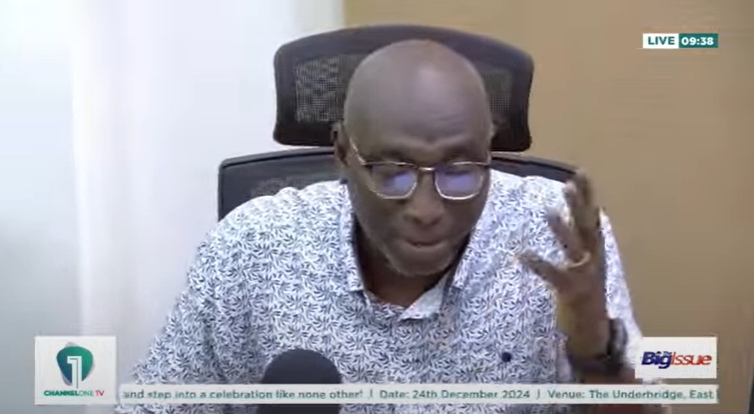
During a segment on The Big Issues aired on Channel One TV on November 30, Amaliba detailed that Mahama’s decision to sign the peace pact was a complicated one, rooted in his recognition of the broader implications of his actions. The NDC leader is viewed as an influential figure with substantial goodwill among international communities, serving as an ambassador to both the ECOWAS (Economic Community of West African States) and the African Union (AU). Amaliba stressed that declining to sign the peace accord would have been contradictory for Mahama, given his diplomatic role and the responsibilities he carries on behalf of Ghana. Thus, although he ultimately decided to sign, it was under duress, reflecting the party’s dissatisfaction with the circumstances surrounding the agreement.
Amaliba articulated some specific grievances that informed Mahama’s protest. He referenced the historical context of violence during previous elections, specifically incidents in 2017 and the 2020 elections, where state agents allegedly engaged in violence against opposition party members. He recounted the painful memories of electoral violence, including the loss of eight lives in the 2020 elections, emphasizing that despite signing the pact, Mahama’s statement underscored the NDC’s concerns about the ruling government’s failure to fulfill its responsibilities. This idea of accountability was central to Amaliba’s remarks, as he indicated that signing the agreement would not preclude the NDC from addressing any future failures by the government in ensuring a fair electoral process.
The peace pact, aimed at preventing violence and fostering a culture of peaceful elections in Ghana, has been a topic of contention for the NDC, as they perceive it as insufficient in addressing the systemic issues that lead to electoral violence. Amaliba noted that merely committing to peace accords does not guarantee compliance or accountability from the authorities responsible for maintaining order during elections. The NDC’s previous experiences with electoral violence have clearly shaped their skepticism towards such agreements, leading them to sign while simultaneously protesting their effectiveness.
Mahama’s protest signing is a profound statement on the state of democracy in Ghana, reflecting the tension between the ruling party and the opposition. Amaliba’s comments illustrate the broader frustrations within the NDC about the ruling government’s approach to electoral integrity and public safety. By emphasizing their position as both signatories to the peace agreement and critics of the government’s failure to maintain peaceful elections, the NDC is seeking to assert its role in the democratic process while also holding those in power accountable for their actions.
In conclusion, the NDC’s participation in the 2024 election peace pact, particularly Mahama’s protest signing, signifies the complexities inherent in Ghana’s electoral landscape. While the peace agreement aims to cultivate a non-violent electoral environment, the underlying tensions and historical grievances articulated by the NDC reflect a critical examination of the means through which peace is pursued in political contexts. As the election approaches, the implications of Mahama’s protest signing may resonate beyond the immediate political sphere, influencing both the NDC’s strategy and the broader dynamics of Ghana’s democratic processes.