





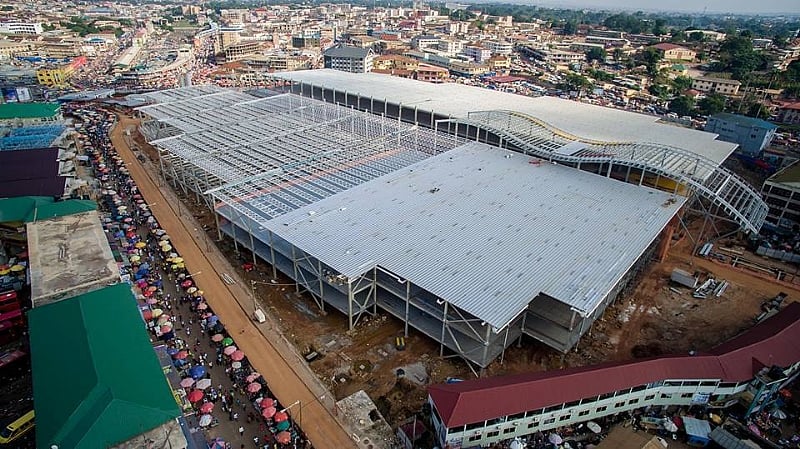
Traders at the Kejetia Market in Kumasi expressed their strong opposition to a proposal suggesting the closure of the market on December 7, 2024, coinciding with the national elections. The proposal was made by Dr. Matthew Opoku Prempeh, the New Patriotic Party’s (NPP) running mate, during a meeting at the Kumasi Culture Centre. The concerned traders contended that the closure would significantly impact their livelihoods, especially given the ongoing economic difficulties they face. In a formal statement released on December 3, 2024, the Kumasi Kejetia Queen Mothers Association articulated their rejection of the proposal, emphasizing that there was no reasonable justification to close market operations on a day that holds great significance for trade and commerce.
Despite the traders’ initial dismissal of the closure proposition, reports surfaced indicating that the Kumasi Mayor, Samuel Pyne, had directed market management to enforce the closure on election day. This news has been met with considerable dismay among the traders, who believe that shutting down the market would exacerbate their already tenuous financial state. They highlighted that the day before, December 6, is a public holiday, further compounding their ability to earn income leading into the election. The traders articulated their position through a statement that underscored the potential economic harm the closure could inflict upon them, given the peak trading opportunities that such events typically present.
The Queen Mothers, who hold a significant cultural and operational standing within the market, rallied to emphasize their determination to resist any attempts at closing the market. They argued that the decision would translate into lost revenue for many small businesses that rely heavily on the market’s vibrant trading atmosphere. They expressed concern that the closure would not only impact them directly but also harm the broader community reliant on the market for goods and services. The traders voiced the importance of the market not only as a source of livelihood but also as a communal hub that fosters economic activity among numerous families and individuals.
In their statement, the Queen Mothers called on market management to prioritize the well-being of the traders rather than conforming to directives perceived as politically motivated. They conveyed their belief that market closures on pivotal trading days could lead to resistance from the trading community, potentially inciting broader unrest. The traders stressed their commitment to maintaining operations on election day, asserting that any disruptions would only serve to further entrench their economic hardships. The battle against the proposed closure reflects a significant aspect of the interplay between politics and daily economic activities within the marketplace.
As traders brace for possible enforcement of the proposed closure, they are mobilizing support and articulating their grievances to garner backing from the wider community. The opposition to this decision highlights a larger narrative around the implications of political decisions affecting local economies in Ghana, especially in contexts where small businesses struggle to survive. The pushback from the traders may also resonate as a form of grassroots activism aimed at advocating for their rights and livelihoods amid the influences of political agendas. Their resolve to keep the market open serves as a testament to their determination to safeguard their economic interests.
In conclusion, the rejection of the market closure proposal by the traders at Kumasi’s Kejetia Market epitomizes a critical intersection of trade, community, and politics. Their opposition reflects pressing economic realities faced by local traders, along with their commitment to preserving an environment conducive to commerce and community interaction. The actions of the Kumasi Mayor and market management in response to the proposed closure will be crucial in shaping the economic landscape leading up to the elections. Ultimately, the outcome of this situation will not only impact the traders’ livelihoods but may also set a precedent for how similar cases of economic and political intersections are handled in the future.








