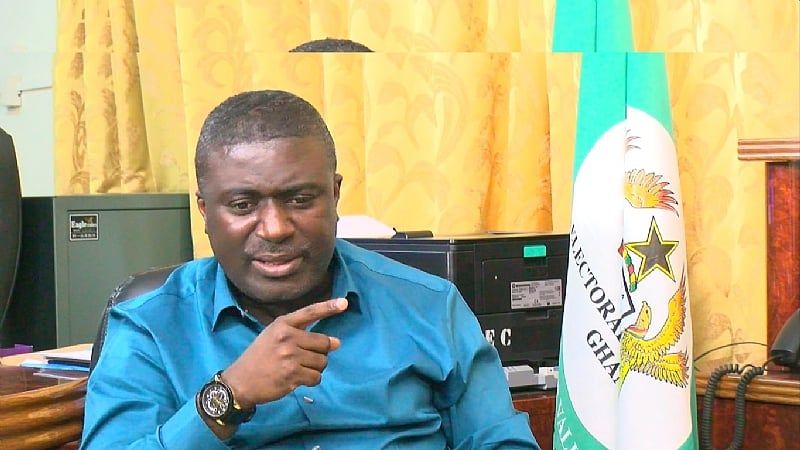
Ghana’s upcoming parliamentary elections, set for December 7, 2024, present an important opportunity for political participation. However, despite the Electoral Commission (EC)’s initiatives to enhance female representation, the participation of women candidates is disappointingly low. According to Deputy Chairman Dr. Bossman Asare, the electoral landscape is stark; out of approximately 830 candidates vying for parliamentary seats, only 120 are women. This statistic highlights a significant gender disparity in Ghana’s political sphere, despite ongoing efforts to encourage broader participation among women and persons with disabilities (PWDs).
One crucial initiative introduced by the EC to boost female candidacy was a 25% reduction in filing fees for both female candidates and persons with disabilities. In terms of financial logistics, male candidates nominated for the presidential race paid GHS100,000, while female candidates and PWDs were charged GHS72,000. A similar reduction was made for parliamentary candidates, with males paying GHS10,000 while their female counterparts and PWDs paid GHS7,500. The EC aimed to lower the financial barrier for entry into politics as a means of increasing representation. Nonetheless, Dr. Asare has expressed disappointment over the low turnout of female candidates, despite these financial incentives.
The EC’s commitment to improving gender representation in politics isn’t limited to fee reductions; they also provide resources and support to encourage women to enter the political arena. During a recent forum in Winneba attended by religious leaders and political party representatives, Dr. Asare highlighted the importance of collaboration and community engagement in addressing the issue of gender disparity in politics. He acknowledged that while the commission has taken steps to create a more inclusive environment, the impact of these initiatives is still lacking in measurable terms, as demonstrated by the insufficient increase in female candidates.
In addition to financial incentives, there is a growing recognition that cultural and societal factors also play a significant role in shaping women’s political engagement. Traditional gender roles, societal expectations, and a lack of support systems can discourage women from pursuing candidacy. The EC has been actively engaging with various stakeholders, including religious organizations, to foster a supportive environment for female politicians. Acknowledging these cultural barriers may be critical in developing strategies that go beyond mere financial adjustments, paving the way for a more inclusive political landscape.
As Ghana approaches its pivotal election, the question remains whether the current initiatives by the EC will suffice in increasing female representation. The importance of women in politics extends beyond mere representation; they bring diverse perspectives and experiences that contribute to more comprehensive governance. Ensuring that women have a voice in the political processes is fundamental for a vibrant democracy where all citizens feel represented. As the electoral atmosphere intensifies, the EC’s efforts to facilitate the participation of women and PWDs need continual enhancement to overcome the existing barriers effectively.
Looking ahead to the December elections, the EC remains committed to its goal of supporting a successful electoral process. Dr. Asare concluded the forum by reiterating the significance of collective efforts by all stakeholders in the electoral process. As Ghana prepares for this critical juncture in its political history, the need for increased female representation in parliament cannot be overlooked, underscoring an essential challenge that the EC and society as a whole must confront to cultivate a more inclusive democracy moving forward.