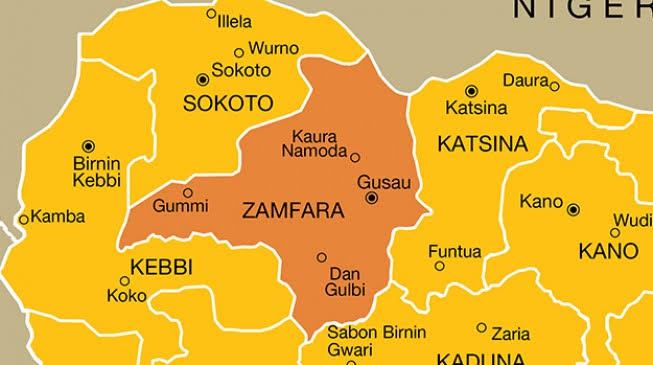
Insecurity in Zamfara State has critically impacted the execution of the World Bank-funded Transforming Irrigation Management in Nigeria (TRIMING) project, raising alarms over adherence to key milestones. The project, with a financial backing of $495.30 million approved on June 19, 2014, aims to enhance irrigation services, escalate agricultural productivity, and refine water resource management across northern Nigeria. Despite facing severe setbacks due to the persistent security crises in Zamfara, the project’s overall health has been classified as “Moderately Satisfactory,” according to the latest Implementation Status & Results Report. The ongoing turmoil has notably obstructed activities at the Bakolori Irrigation Scheme, significantly limiting operations to daylight hours and curtailing simultaneous work across various sites.
The challenges posed by insecurity have transformed Zamfara State into a major impediment for the TRIMING initiative, as outlined in the report. Security issues have been identified as the primary hurdle affecting the project’s targets, particularly at the Bakolori Irrigation Scheme (BIS). Such security constraints have compelled project managers to restrict operations, thereby delaying essential infrastructure developments. To date, approximately $373.69 million, or 75.45 percent of the allocated loan, has been dispensed, with a new completion date set for January 31, 2025, extending beyond earlier deadlines in light of the current instability.
Despite the adversities faced, progress has tangibly been made across several key areas of the project. As per the current report, the irrigation schemes have managed to provide access to over 33,000 hectares of irrigated land, inching toward the targeted 37,600 hectares. Notably, the rehabilitation of vital infrastructure has already been transferred to local farmers, enabling a resurgence in agricultural production. Key components of the project remain on target, with advancements in irrigation coverage noted in both the Kano River project, which encompasses 9,583 hectares, and the Bakolori region, covering an additional 5,547 hectares.
The project continues to make significant strides even amidst ongoing security disruptions in northern Nigeria, maintaining its “Moderately Satisfactory Implementation Progress” rating. In response to the challenges presented, the Federal Government of Nigeria requested an extension from the World Bank to facilitate the completion of crucial repair works on the Tiga Dam, alongside ongoing contracts at the Bakolori Irrigation Scheme. This extension, granted by the World Bank, emphasizes its commitment to aiding Nigeria in achieving the project’s objectives and reinforces the need for sustained investments in water resource management and irrigation services.
In a further show of support, on September 26, 2024, the World Bank has approved three new projects for Nigeria, accumulating a total of $1.57 billion in financing. This includes the $500 million Sustainable Power and Irrigation in Nigeria (SPIN) project, which aims to combat climate-induced challenges such as floods and droughts. SPIN is designed to enhance dam safety and resource management, potentially impacting approximately 950,000 individuals including farmers and livestock breeders. It also emphasizes the generation of a hydropower master plan, harnessing public-private partnerships to innovate Nigeria’s energy infrastructure.
The SPIN initiative is expected to further elevate agricultural productivity by offering more reliable irrigation systems, thereby solidifying the advancements achieved under the TRIMING project. By targeting improvements in both irrigation and power management, the SPIN project aims to address long-standing environmental concerns while providing comprehensive support to farmers. Collectively, these initiatives reflect a robust strategy to secure agricultural systems in northern Nigeria, offering a glimmer of hope against the backdrop of insecurity and operational challenges. The collaborative efforts between the World Bank and the Nigerian government serve as essential components in overcoming present difficulties and ensuring sustainable agricultural growth in the region.