









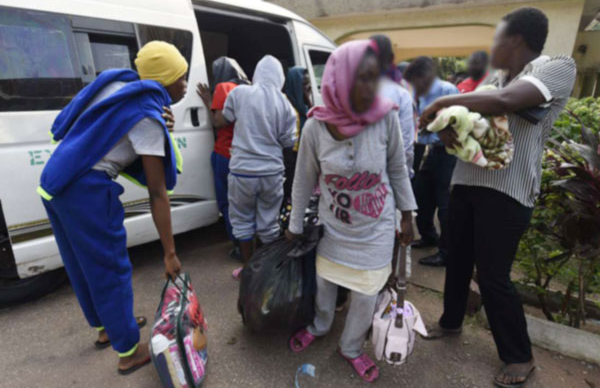
In recent years, the plight of stranded Nigerians abroad has become increasingly significant, with over 6,500 citizens repatriated from at least seven different countries over the span of two years. This movement has notably been influenced by various socio-economic factors. Key sources such as the International Organisation for Migration, the National Emergency Management Agency, and the Nigerians in Diaspora Commission have provided critical data illustrating the scale of this repatriation effort. The repatriations focused on countries where many Nigerians found themselves in precarious living situations while seeking better economic opportunities, often escaping dire conditions at home.
In 2023, the efforts to evacuate stranded Nigerians intensified, marking a record year in repatriations. Approximately 5,219 Nigerians were successfully brought back home from crisis-affected areas, especially from Sudan, Libya, Niger Republic, and Saudi Arabia. A detailed analysis revealed that Sudan was the primary source of stranded Nigerians, with around 2,849 individuals evacuated. The repatriation also included a significant number from Libya (1,916), as well as smaller groups from Niger Republic (441) and Saudi Arabia (13). These numbers reflect the urgent and ongoing need for assistance to Nigerians caught in difficult circumstances abroad.
The trend continued into 2024, albeit with a slight decrease in the number of repatriated individuals, tallying approximately 1,621. The evacuations this time covered several countries including Libya, Sudan, the United Arab Emirates, Chad, and Ghana. Notably, most of the repatriated individuals came from Libya, with 1,130 Nigerians successfully returned. Other contributing countries included Uganda, which accounted for 29 individuals, alongside Ghana (122), Chad (150), and Sudan (29). The varying numbers across countries indicate fluctuations in migration patterns and the economic landscape in these regions.
This large-scale migration and the subsequent need for repatriation can be attributed to the widely recognized phenomenon known as the ‘Japa syndrome.’ This term encapsulates the increasing trend of highly skilled and unskilled Nigerians fleeing to foreign nations in search of better economic prospects and living conditions. It highlights the desire among the populace for sustainable livelihoods, safety, and better opportunities, reflecting a broader narrative of discontent and aspiration within the country.
As various institutions rally to address the situation, the response to the repatriation efforts has seen growing engagement from government agencies and NGOs alike. The National Emergency Management Agency and other organizations have played pivotal roles in coordinating these repatriation missions. Their efforts underscore the complex interplay between migration policies and international assistance. They work diligently to ensure the safe return of individuals and provide necessary resources and support to reintegrate them back into Nigerian society.
Overall, the repatriation of stranded Nigerians from abroad reflects deep-seated socio-economic issues within Nigeria itself, intertwined with the hopes and aspirations of those seeking better lives. Continued support and strategic planning are vital to addressing the underlying causes that drive the Japa syndrome, including inadequate job opportunities, security concerns, and high living costs. While the repatriation efforts are crucial in bringing citizens back home safely, addressing the root causes of migration is essential for fostering sustainable development and stability in Nigeria.









