









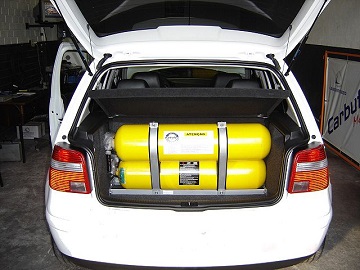
The Presidential Compressed Natural Gas Initiative (P-CNGI) has taken a significant step forward by signing an agreement with airport taxi operators at the Nnamdi Azikiwe International Airport in Abuja, with the aim of converting 800 taxi vehicles to use Compressed Natural Gas (CNG). Mr. Michael Oluwagbemi, the Programme Director and Chief Executive of P-CNGI, announced the initiative during the agreement signing event, emphasizing that this initiative is part of President Bola Tinubu’s commitment to convert one million commercial vehicles to CNG as a means of alleviating the burden of escalating transport fares due to rising fuel prices.
With this new agreement, it is projected that once 50% of the fleets, which amounts to around 400 vehicles, are converted to CNG, there will be a 30% discount applied to airport shuttle fares. The discounted rates will vary according to the passenger’s travel distance, ensuring that costs remain manageable for users. To enhance transparency and communication, each vehicle will display a red card outlining prices and applicable discounts tailored to various destinations, with regular monitoring to ensure compliance with the terms agreed upon.
P-CNGI is collaborating with accredited centres for the vehicle conversion process and is pleased to report a significant increase in the number of CNG refilling stations in Abuja, which have expanded from just one station at the program’s inception to seven operational stations today. The Nigerian Midstream and Downstream Petroleum Regulatory Authority (NMDPRA) has been instrumental in issuing licenses for new stations, paving the way for further growth in infrastructure to support the initiative.
Despite past incidents, including a CNG vehicle explosion at a filling station in Edo State that injured several individuals, Oluwagbemi reassured the public about the safety of CNG technology. He attributed the explosion to improper conversions using substandard, locally manufactured cylinders, which do not meet safety standards. He emphasized that the cylinders employed by the P-CNGI are certified and robust, designed to withstand extreme conditions, effectively reducing the risk of explosions. Ongoing education and compliance with safety regulations are crucial to maintaining safety standards in CNG operations.
The initiative has received positive feedback from the airport taxi operators, with spokesperson Aliyu Abdulaziz-Aliyu expressing gratitude for the government’s intervention and eagerness for the conversion process to commence. The conversion from petrol to CNG is expected to significantly lower operational costs for taxi operators and, consequently, the fares customers pay. This aligns with the broader objective of making public transportation more economical and sustainable in Nigeria.
Overall, the P-CNGI’s partnership with airport taxi operators is a meaningful step towards enhancing public transportation in Abuja. By committing to vehicle conversion and incentivizing fare reductions through discounts, the initiative aims to foster a safer, more efficient, and cost-effective transport system. The initiative reflects a growing emphasis within the Nigerian government to adapt to changing energy landscapes while improving affordability for citizens, addressing fuel price challenges, and promoting the use of cleaner energy alternatives in the transportation sector.









