









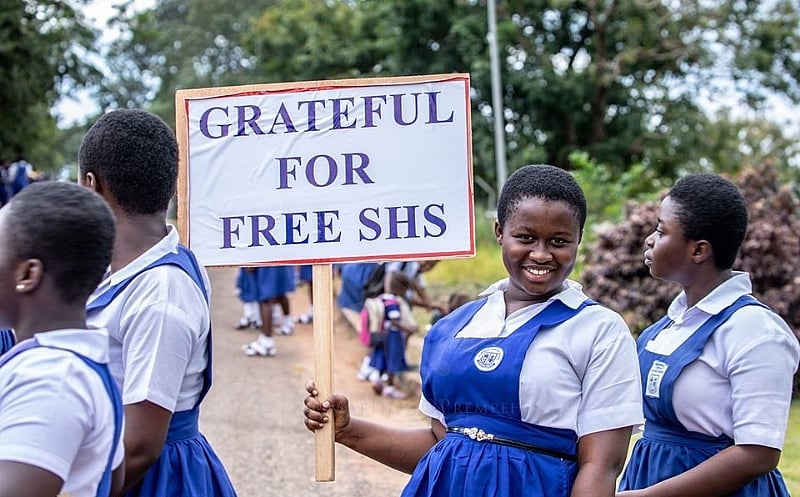
The latest Afrobarometer Round 10 survey released by the Ghana Centre for Democratic Development (CDD-Ghana) paints a vivid picture of public sentiment in Ghana ahead of the 2024 General Election. A significant majority, 85% of respondents, are calling for the incoming government, regardless of whether it is the National Democratic Congress (NDC) or the New Patriotic Party (NPP), to maintain the Free Senior High School (Free SHS) program. This initiative, introduced by the NPP, has gained widespread acclaim for expanding access to secondary education across the country. Many Ghanaians now view Free SHS as a crucial program, reflecting the public’s prioritization of educational accessibility as a fundamental right necessary for the country’s development.
The survey highlights the continued endorsement of other government initiatives, with 81% of respondents supporting the “Planting for Food and Jobs” program. This initiative, which seeks to strengthen food security and create employment in the agricultural sector, has resonated well with the populace. Additionally, 71% of those surveyed are in favor of the “One District, One Factory” policy, which aims to foster industrialization in local communities and combat rural-urban migration. Support for rural development initiatives is also evident, with 60% backing the “One Village, One Dam” policy, illustrating a collective desire for improved agricultural infrastructure that addresses the needs of rural populations.
Despite the positive reception of these initiatives, the survey also uncovers the pressing economic challenges confronting many Ghanaians. A significant concern raised by respondents relates to unemployment, with 41% citing it as the nation’s most urgent issue. This concern is closely followed by inadequate infrastructure at 38% and health services at 33%. The high unemployment rates contribute to a growing sense of urgency among the populace to address these systemic issues as they advocate for a government that actively prioritizes job creation and socio-economic development.
In contrast to the support for government programs, the survey shows a strong rejection of the controversial electronic transactions levy (e-levy). A substantial 79% of respondents expressed their preference for the discontinuation of this tax on digital payments, which has been the subject of heated debate and public opposition. This sentiment illustrates the citizens’ desire for fiscal policies that do not burden them further, especially amid economic difficulties. The rejection of the e-levy signals a demand for increased governmental transparency and responsiveness to the people’s needs and concerns regarding taxation.
The economic struggles and rising poverty levels in Ghana reveal a disconcerting trend. According to the survey, 82% of respondents reported experiencing varying degrees of poverty in the past year, with 45% characterizing their experiences as moderate to severe. This marks a significant increase from 19% in 2017, indicating a deterioration in living standards for many Ghanaians. Additionally, seven out of ten respondents stated that they or someone in their household went without cash income at least once in the past year, raising questions about the overall economic security of the population. The increasing difficulty in accessing basic necessities, such as medical care, food, water, and cooking fuel, amplifies the urgency for the government to address these socioeconomic challenges effectively.
Overall, the Afrobarometer Round 10 survey encapsulates a critical moment in Ghana’s political landscape as the 2024 General Election nears. While there is strong support for established governmental programs like Free SHS and initiatives focused on agriculture and industrialization, the citizens’ growing concerns around unemployment, poverty, and the impact of taxation on their daily lives underscore the need for systemic reform. The survey results provide a clear mandate for any new government to prioritize the enhancement of economic conditions, address the urgent need for jobs, and ensure that policies are aligned with the citizens’ aspirations for a better quality of life. As Ghanaians prepare to make their voices heard in the upcoming election, their priorities present a roadmap for future governance and policy direction.









