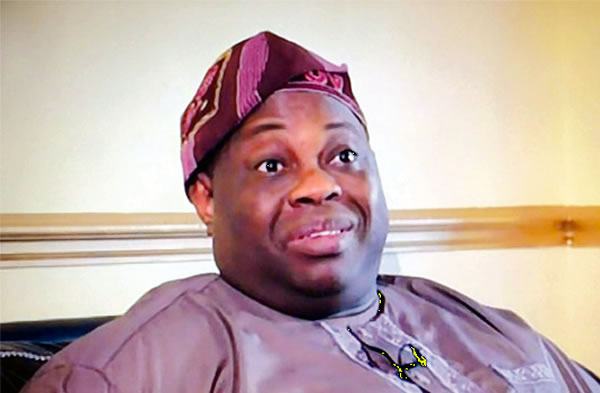
Dele Momodu, a prominent figure in the Peoples Democratic Party (PDP) and a two-time presidential aspirant, expressed his conviction that only a coalition of political parties can successfully challenge and defeat President Bola Tinubu of the All Progressives Congress (APC) in the 2027 presidential election. During an appearance on a Broadcasting Corporation of Oyo State program, “Guest of the Month,” Momodu articulated his perspective on the current political landscape and the strategic imperatives for the opposition to effectively contend with the ruling party. He emphasized the internal challenges plaguing the PDP and the strategic maneuvers employed by the APC to maintain its political dominance.
Momodu candidly revealed his disillusionment with the PDP, stating that while his physical presence remains within the party, his spirit has departed. He attributed this sentiment to the deep-seated divisions and internal conflicts within the PDP, which he believes severely compromise its ability to present a united front against the APC. He argued that a fragmented PDP is incapable of mounting a serious challenge to the APC’s grip on power in 2027. He highlighted the APC’s deliberate efforts to exploit these divisions and weaken the main opposition party, recognizing the PDP as the only viable threat to its continued dominance.
The PDP chieftain pointed to the APC’s alleged tactics of fostering factionalism within the opposition ranks. According to Momodu, the ruling party actively works to destabilize the PDP by manipulating some of its members to undermine the party’s stability and progress. He contended that the APC, recognizing the potential of a unified PDP to pose a formidable challenge in the 2027 elections, is strategically invested in ensuring the opposition remains fractured and ineffective. This, he suggested, is a key element of the APC’s strategy to maintain its political hegemony.
Despite acknowledging the internal challenges and external pressures faced by the PDP, Momodu emphasized the party’s commitment to due process. He highlighted the party’s adherence to legal procedures in addressing disciplinary matters involving its members. He underscored that any actions taken against erring members, such as suspension or expulsion, would be strictly in accordance with the established rules and regulations of the party. This, he suggested, distinguishes the PDP from other parties that may resort to arbitrary or extra-judicial measures.
Momodu’s assessment of the 2027 electoral landscape extended beyond the internal dynamics of the PDP. He argued that unseating President Tinubu in 2027 requires not only a united opposition but also a strategically crafted coalition of political forces. He emphasized the necessity of a formidable team and a broad-based alliance to effectively challenge the incumbent president. This coalition, he suggested, must transcend party lines and bring together diverse political actors with a shared vision for change.
Furthermore, Momodu emphasized the importance of regional considerations in the selection of a presidential candidate to challenge Tinubu. He posited that a candidate originating from a different region than the current president would have a greater chance of success. This strategic approach, he argued, would appeal to a broader electorate and potentially disrupt the existing regional power dynamics, thereby increasing the likelihood of a successful challenge to the incumbent. He concluded that a strategic coalition coupled with a regionally diverse candidate presents the most viable path to victory in the 2027 presidential election.