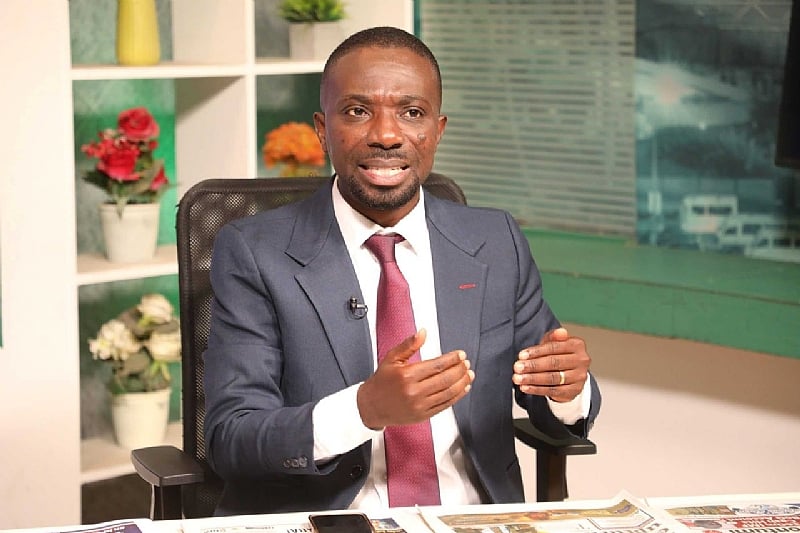
Dennis Miracles Aboagye’s impassioned plea to the voters of Ablekuma North underscores the high stakes of the upcoming parliamentary rerun election. He frames the contest as a critical juncture for Ghana’s democracy, warning of the potential for a “parliamentary dictatorship” should the National Democratic Congress (NDC) secure the remaining seat and achieve an absolute majority in Parliament. This majority, Aboagye argues, would empower the NDC to manipulate the constitution and govern without accountability, a scenario he depicts as a grave threat to the nation’s democratic foundations. He casts the rerun as a battle not merely for a single seat, but for the preservation of constitutional integrity and the prevention of unchecked power.
Aboagye’s rhetoric paints a stark contrast between the NDC’s alleged intentions and the NPP’s commitment to upholding democratic principles. He portrays the NDC’s pursuit of the Ablekuma North seat as a calculated strategy to seize absolute control, potentially paving the way for constitutional tampering and arbitrary rule. Conversely, he positions the NPP, represented by candidate Akua Afriyie, as the defender of the constitution and the guardian against potential abuses of power. The election, in this narrative, becomes a choice between democratic stability and the perils of unchecked authority.
The claim of potential constitutional manipulation is a significant element of Aboagye’s argument. He doesn’t specify the nature of the potential changes, but the implication is that an NDC supermajority could alter the fundamental laws of the land to consolidate their power and potentially erode democratic checks and balances. This assertion raises concerns about the potential for a power grab and fuels the narrative of a looming “parliamentary dictatorship.” This undefined threat adds a layer of urgency and gravity to his appeal, urging voters to perceive the election as a crucial defense against an ominous, albeit unspecified, future.
Furthermore, Aboagye directly links the need for the rerun to alleged actions by the NDC during the previous election. He accuses NDC members of destroying ballot papers and pink sheets after realizing their defeat, implying that their actions directly led to the current situation. This accusation not only attempts to delegitimize the NDC’s pursuit of the seat but also frames the rerun as a necessary corrective to their alleged misconduct. By depicting the NDC as instigators of electoral irregularities, Aboagye aims to galvanize support for the NPP and present the rerun as an opportunity to rectify a perceived injustice.
The call for voters to “show up for Akua Afriyie” is more than just an endorsement of a candidate; it’s presented as a patriotic duty. Aboagye frames support for Afriyie as a stand against the potential “parliamentary dictatorship,” transforming the election into a referendum on the future of Ghana’s governance. He urges voters not to be complacent, emphasizing that their participation is crucial to prevent the alleged power grab and safeguard the principles of democracy. The act of voting, in this context, becomes an act of defiance against potential tyranny and a reaffirmation of democratic values.
In essence, Aboagye’s message constructs a narrative of high stakes and impending danger. He portrays the Ablekuma North rerun as a pivotal moment for Ghana’s democracy, where voters have the power to either prevent a slide towards authoritarianism or enable the establishment of a “parliamentary dictatorship.” By depicting the NDC as a potential threat to constitutional order and the NPP as the defenders of democratic principles, he seeks to mobilize voters and frame the election as a choice between stability and potential chaos. The repeated emphasis on the gravity of the situation and the potential consequences of an NDC victory aim to create a sense of urgency and inspire voters to participate in what he portrays as a defining moment for their nation’s future.