





Nigeria’s Imperative for Economic Diversification: Moving Beyond Oil Dependency
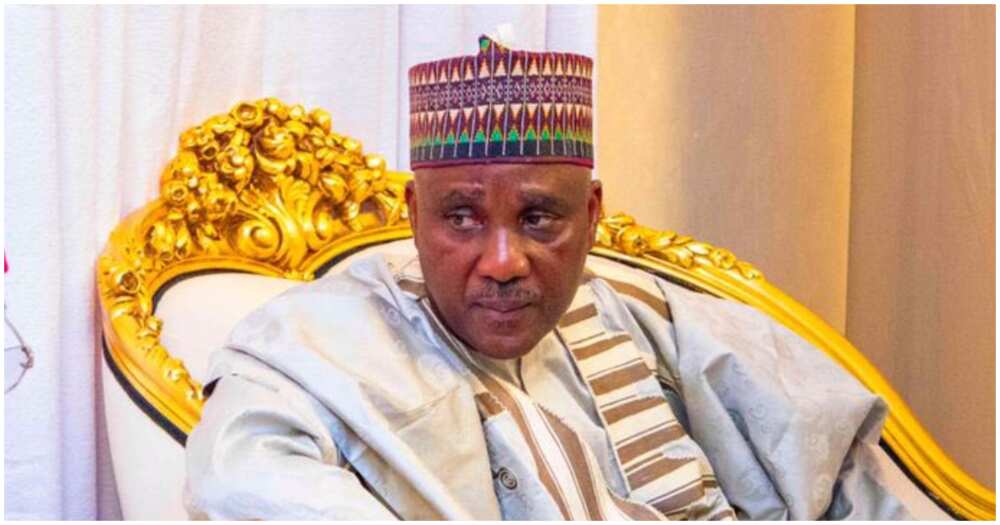
Nigeria, a nation richly endowed with natural resources and human capital, faces a critical juncture in its economic trajectory. The nation’s long-standing reliance on oil revenue has proven to be a double-edged sword, generating wealth on one hand yet simultaneously fostering economic vulnerabilities and societal inequalities. Speaker of the House of Representatives, Tajudeen Abbas, articulated this predicament during his address at the 14th convocation lecture of Al-Hikmah University, Ilorin. He emphasized the urgent need for Nigeria to diversify its economy, moving beyond its dependence on oil and harnessing the potential of other sectors to achieve sustainable and inclusive growth.
The prevailing global economic landscape, characterized by fluctuating oil prices, the rise of renewable energy sources, and the imperative for job creation, underscores the necessity for Nigeria to chart a new economic course. Continued dependence on oil revenue will exacerbate existing challenges of poverty, inequality, and unemployment, hindering the nation’s progress toward sustainable development. Drawing inspiration from successful diversification strategies implemented by countries like Saudi Arabia, Malaysia, and the United Arab Emirates, Speaker Abbas highlighted the transformative potential of deliberate policy reforms, strategic infrastructure investments, and focused human capital development. These nations serve as compelling examples of how targeted interventions can unlock economic growth and resilience by leveraging diverse sectors.
The path towards economic diversification requires a concerted effort across all sectors of Nigerian society. The agricultural sector, with its vast potential for food security and job creation, must be revitalized through modern farming techniques, improved infrastructure, and access to markets. The nation’s abundant solid mineral resources present another avenue for economic growth, requiring strategic investments in exploration, processing, and value addition. Furthermore, the burgeoning technology and creative industries represent significant opportunities for innovation, entrepreneurship, and high-skilled job creation. By harnessing these sectors, Nigeria can build a robust and diversified economy that is less susceptible to external shocks and fluctuations in the global oil market.
The role of policy and legislation is paramount in driving this economic transformation. The parliament must enact enabling legislation that fosters a conducive environment for investment and innovation across diverse sectors. Rigorous oversight of policies and programs aimed at diversification is essential to ensure effective implementation and accountability. Academia plays a crucial role in generating data-driven insights, conducting cutting-edge research, and developing the skills necessary to thrive in the new economy. Universities must strengthen collaborations with industries to promote practical application of research findings, drive innovation, and foster entrepreneurship.
The private sector must also actively participate in this transformative journey. Investments in emerging industries, support for small and medium-sized enterprises (SMEs), and the strategic leverage of technology to enhance productivity are key to unlocking the full potential of Nigeria’s diverse economy. Nigerian youths, as the backbone of the nation’s workforce, have a crucial role to play in shaping the future economic landscape. By seizing opportunities in entrepreneurship, agriculture, digital technology, and the creative industries, young Nigerians can redefine the economic narrative and contribute to building a prosperous and sustainable future.
The experiences of Malaysia and Singapore provide valuable lessons for Nigeria’s diversification efforts. Malaysia’s focus on manufacturing and industrialization, coupled with sustained investments in education and technology, propelled its transformation into a diversified economy. Singapore, by leveraging strategic policies and its skilled talent pool, has emerged as a global hub for finance and innovation. These models demonstrate that with sustained commitment, effective policy implementation, and strategic investments, Nigeria can achieve economic stability, prosperity, and a more inclusive society. The journey towards diversification requires collaborative efforts from all stakeholders, embracing a vision of a future where Nigeria’s economic strength lies not solely in its oil reserves but in the diverse talents and resources of its people.








