





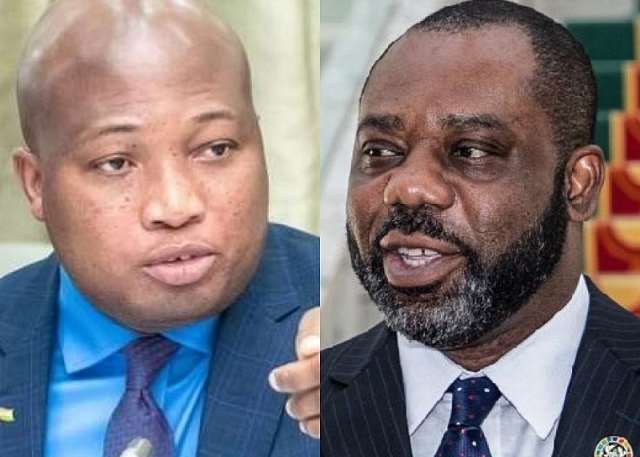
In a recent mini rally held in Asawasi, Samuel Okudzeto Ablakwa, the Member of Parliament for North Tongu, launched a scathing attack on the New Patriotic Party (NPP) and its Minister of Energy, Dr. Matthew Opoku Prempeh, popularly known as NAPO. Ablakwa suggested that the NPP should consider “loaning” a running mate from the National Democratic Congress (NDC), citing the latter’s supposed failures and disastrous performance. He emphasized that NAPO represents what he considers a national and an international disaster, aligning this sentiment with broader criticism of the current NPP leadership and their policies.
Ablakwa’s remarks were primarily triggered by accusations made by NAPO that he was responsible for introducing Comprehensive Sexuality Education (CSE) in Ghana’s schools. Reacting vehemently, Ablakwa called NAPO a liar and asserted that the NPP’s claims were unfounded. He took direct aim at NAPO’s credibility, arguing that his actions and statements during his tenure as Minister of Education have been misleading and disingenuous. Ablakwa stressed the need for transparency in political discourse and called for an end to what he termed unreasonable attacks on character.
According to Ablakwa, NAPO’s assertion that the NDC had initiated a curriculum including CSE was a tactic to distract from the real issues plaguing Ghanaian education under the NPP’s watch. He highlighted how NAPO had misrepresented the activities discussed at an international UNESCO Conference, which he claimed was not an endorsement of such a curriculum but rather a mischaracterization by NAPO to shift blame onto the NDC for his administration’s failings. Ablakwa’s argument centers on the idea that government officials should accept accountability for their own policies rather than deflecting blame onto their predecessors.
Furthermore, Ablakwa expressed serious concerns about the implications of such accusations on the community, particularly regarding the influence of religious leaders. He rebuffed NAPO’s claims that he had persuaded local Imams to endorse CSE and LGBTQ+ education. By asserting this, Ablakwa aimed to defend both his reputation and that of the religious figures in his constituency. He suggested that this type of political rhetoric not only erodes trust but could also splinter community relations and foster division among residents.
Reflecting on the upcoming 2024 elections, Ablakwa declared that the NDC would not allow NPP to continue its “campaign of lies, defamation, and character assassination.” This statement underscores his commitment to countering what he perceives as unfair tactics by the NPP in the lead-up to the elections. He expressed confidence in the NDC’s capacity to reclaim leadership based on its foundational principles and the actual needs of the Ghanaian populace, rather than on distorted representations of its policies made by opponents.
In conclusion, Samuel Okudzeto Ablakwa’s address highlights the contentious political landscape in Ghana, marked by accusations and counter-accusations between parties. His call for the NPP to borrow a running mate from the NDC encapsulates his critique of their leadership and policies while also drawing attention to the perceived dishonesty within their narrative. Ablakwa’s remarks not only address the immediate conflict regarding CSE but also reflect the broader tensions characterizing Ghana’s political discourse, as both parties prepare for the upcoming electoral battle.








