









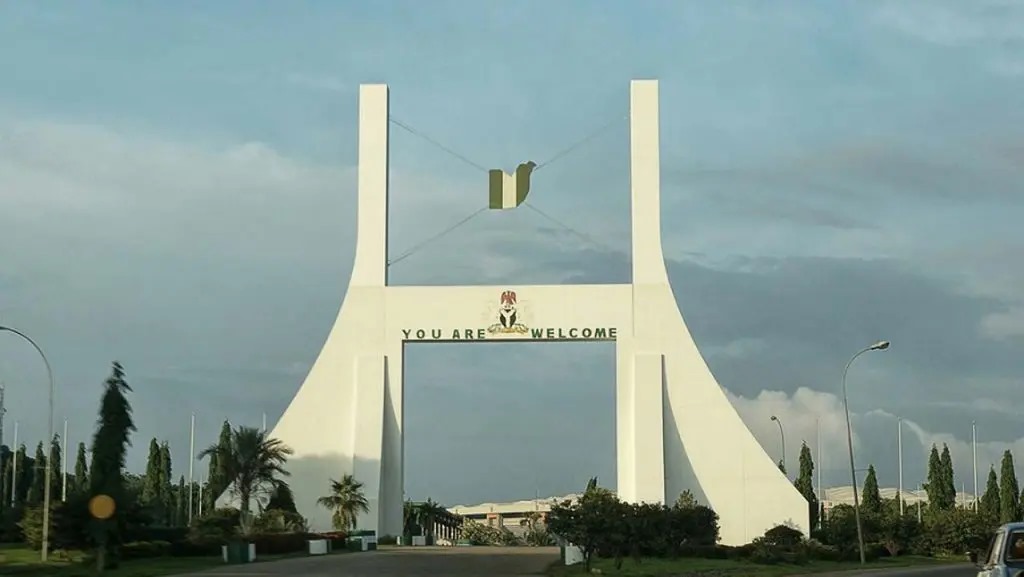
The Federal Capital Territory (FCT) has become a focal point of distress among its residents, particularly regarding the surging costs of food and transportation. Many individuals and families are struggling to maintain their basic needs as living expenses continue to climb, exacerbated by a recent hike in fuel prices. In conversations with the News Agency of Nigeria, residents expressed their desperation to manage their finances, with many stating that what was once an affordable living situation has now morphed into a constant battle for survival. The current economic climate has forced families to make difficult choices, with urgent pleas directed at the federal government for intervention and solutions to this escalating crisis.
Cost of food items has risen dramatically, leaving many family budgets stretched thin. For instance, Mrs. Maryam Abusaid, a mother of three, lamented the doubling of rice prices—from ₦50,000 to over ₦100,000 within a year. Her husband’s salary has not kept pace with inflation, causing significant distress in providing for her children. Similarly, Mrs. Ekaite Obot, who has depended on public transportation since she can no longer afford to fuel her car, highlighted the strain of rising costs in juggling school fees, food, and other household expenses after her husband’s job loss. The urgency for government attention to food security and transportation affordability is clear as families voice their concerns about ongoing economic constraints.
Moreover, the situation is no better for local business owners, such as Mr. Albert Nwakama, a trader struggling to generate sales from his second-hand clothing shop. He noted that customer traffic had significantly decreased, with many in his community prioritizing food over clothing purchases. This shift has created a ripple effect, impacting not only his business viability but also the livelihoods of others who depend on him. The repercussions of high inflation extend into the educational sector as well, where teachers like Mrs. Nneka Azubuike report having to seek favor from wealthier families in her class just to make ends meet. The urgency to alleviate fuel and transportation costs is clear as these dynamics deeply affect various economic segments and increase socio-economic disparity.
The transportation sector, too, has been hit hard by the increasing fuel prices, resulting in skyrocketing fares that average commuters like Ibrahim Idris can barely contend with. Daily travel expenses have nearly doubled from ₦400 to upwards of ₦900, forcing many to limit their outings and tighten their budgets further. Vendors like Mr. Sule Adams are facing dwindling sales due to reduced customer purchasing power, often needing to offer discounts just to make any sales at all. As communities tighten their belts, vendors, too, are left grappling with rising supply costs while trying to maintain customer relations in a failing economy.
Ms. Christabel Nicholas, a small business owner, echoed the struggles of the community as she too faces the harsh realities of price adjustments and customer discontent. The dilemma of either raising her prices or absorbing the increased costs poses a significant challenge, prompting calls for government intervention. These sentiments are reflected in the latest National Bureau of Statistics (NBS) reports, indicating alarming rates of food inflation and a significant rise in consumer prices compared to previous months. The government’s inaction on these pressing issues is leaving many Nigerians in a state of desperation, as they struggle to fulfill basic needs.
Throughout these narratives, the overarching theme is a community in distress. The interplay of rising costs—food, transportation, and basic goods—intertwines to paint a grim picture of life in the FCT. Citizens are not just lamenting the inconvenience of high prices; they express a sense of hopelessness as their financial stability erodes. Immediate responses from government authorities are imperative to mitigate the crisis, focusing on strategizing solutions that can alleviate the burden of inflation, prioritize the sustenance of families, and ensure that commerce can reclaim its footing amid these challenges.
In conclusion, the collective voices of the residents of the Federal Capital Territory serve as a potent reminder of the urgent economic realities many are facing. Families are finding it increasingly difficult to feed themselves while sustaining a semblance of normal life against a backdrop of rising transportation fares and goods prices. Their appeals for government assistance highlight a pressing need for effective policy changes and economic measures to alleviate the current difficulties. Addressing these challenges not only involves financial intervention but also requires a holistic approach to rebuilding the economy, restoring consumer confidence, and ensuring that all citizens are afforded the opportunity to thrive despite trying circumstances.









