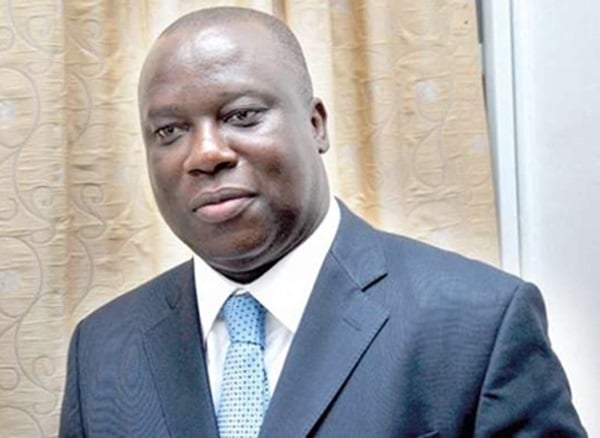
The 2024 Ghanaian general election witnessed a significant shift in political power, with the National Democratic Congress (NDC) securing a resounding victory. Joseph Ade Coker, former Greater Accra Regional Chairman of the NDC, attributed this triumph to a combination of factors, primarily the tireless campaigning efforts of President-elect John Mahama and widespread public disillusionment with the outgoing New Patriotic Party (NPP) government. Mahama’s extensive nationwide outreach, covering all 276 constituencies across the 16 regions multiple times, played a crucial role in connecting with the electorate and presenting a compelling vision for the future. This consistent engagement allowed him to effectively articulate his plans for national progress and resonate with the concerns of ordinary Ghanaians.
Mahama’s commitment to grassroots campaigning allowed him to tap into a growing wave of dissatisfaction with the NPP’s performance, particularly concerning economic management. Coker highlighted the public’s frustration with the government’s handling of the economy, citing controversial debt restructuring programmes like the investment “haircut” and the nation’s subsequent downgrade to junk status as key contributors to voter anger. These economic hardships, coupled with what many perceived as arrogance from certain NPP appointees, fueled a desire for change among the electorate. Mahama capitalized on this sentiment, effectively channeling public discontent into support for the NDC’s platform of national recovery and growth.
The NDC’s victory can be viewed as a direct response to the prevailing economic climate and the public’s desire for a fresh approach to governance. The NPP’s economic policies, while intended to address fiscal challenges, ultimately resulted in significant hardship for many Ghanaians. The controversial debt restructuring measures, often referred to as the “haircut,” directly impacted individual investors and further eroded public trust in the government’s economic management. The resulting downgrade of Ghana’s sovereign credit rating to junk status amplified concerns about the country’s economic stability and future prospects.
Mahama’s campaign strategy effectively capitalized on this economic anxiety, presenting a clear alternative to the NPP’s approach. He consistently emphasized the NDC’s commitment to addressing the economic challenges facing the nation and offered concrete proposals for revitalizing key sectors and creating job opportunities. This resonated with voters who were seeking a change in leadership and a renewed focus on economic recovery. The NDC’s message of hope and change, combined with Mahama’s extensive outreach efforts, effectively mobilized support across the country and contributed to the party’s decisive victory.
Beyond the economic factors, the perceived arrogance of certain NPP appointees further alienated segments of the population. Coker highlighted this as another contributing factor to the NDC’s success, suggesting that the NPP’s perceived disconnect from the concerns of ordinary Ghanaians played into the hands of the opposition. This perception of aloofness, combined with the economic hardship experienced by many, created a fertile ground for the NDC’s message of change and renewal. Mahama’s ability to connect with voters on a personal level and acknowledge their struggles further solidified his position as a viable alternative to the incumbent government.
In conclusion, the NDC’s resounding victory in the 2024 general election can be attributed to a confluence of factors. Mahama’s relentless campaigning efforts, coupled with widespread dissatisfaction with the NPP’s economic performance and the perceived arrogance of some of its officials, created a political climate ripe for change. The NDC’s message of hope and economic recovery resonated deeply with the electorate, who ultimately voted for a change in leadership and a new direction for the nation. The election results underscore the importance of responsive governance, economic stability, and effective communication with the public in securing and maintaining the trust of the people.