





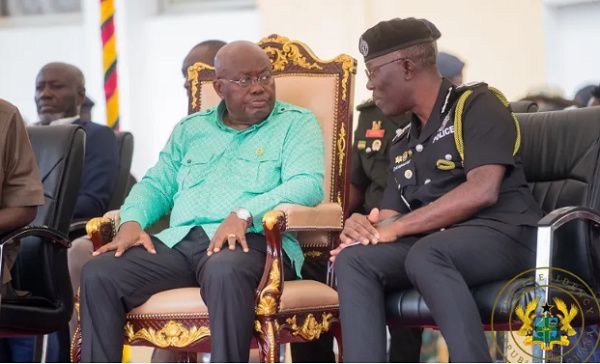
The Afrobarometer survey, conducted in August 2024 with a nationally representative sample of 2,400 adult Ghanaians, paints a concerning picture of public perception regarding corruption within the country’s key institutions. The Ghana Police Service and the Presidency emerge as the institutions most widely perceived as corrupt, with 63% and 54% of respondents, respectively, believing that corruption is rampant within these entities. This perception extends to other public officials as well, with tax officials (53%) and Members of Parliament (51%) also viewed with significant distrust by the public. These figures highlight a deep-seated skepticism towards the integrity of those holding positions of power and responsibility within Ghana’s government and law enforcement. The survey’s findings underscore the urgent need for comprehensive anti-corruption measures to rebuild public trust and ensure the accountability of public officials.
Beyond the bleak perception of specific institutions, the Afrobarometer survey also reveals a broader societal concern about the prevalence of corruption in Ghana. A staggering 74% of respondents believe that corruption has increased over the past year, with 63% reporting a significant surge in corrupt practices. While this represents a slight decrease of 3 percentage points compared to the 2022 survey, it still reflects a deeply entrenched problem that continues to erode public confidence in the country’s governance. The pervasive nature of this perception, coupled with the significant number of respondents who believe corruption has worsened, suggests that current anti-corruption efforts are not perceived as effective by the general population. This demands a critical reassessment of existing strategies and the implementation of more robust measures to address the root causes of corruption.
Adding to the complexity of the issue is the prevailing fear of retaliation that discourages citizens from reporting corrupt practices. The survey found that only 26% of Ghanaians believe they can report corruption without fear of reprisal, a decline of 4 percentage points compared to 2022. Conversely, a substantial 71% expressed fear of retaliation or other negative consequences if they were to report incidents of corruption to the authorities. This climate of fear creates a significant obstacle to combating corruption, as it effectively silences potential whistleblowers and allows corrupt practices to flourish unchecked. Addressing this fear and ensuring the protection of those who come forward with information about corruption is crucial for fostering a culture of accountability and transparency.
The combination of widespread perceptions of corruption, particularly within the police force and the Presidency, coupled with the fear of retaliation, presents a serious challenge to Ghana’s governance. The survey’s findings suggest a systemic issue that requires a multi-pronged approach. This includes strengthening anti-corruption institutions, enhancing transparency and accountability mechanisms, and promoting a culture of ethical conduct within public service. Furthermore, creating safe and confidential reporting channels for whistleblowers and ensuring their protection is essential for breaking the cycle of impunity.
The implications of these findings extend beyond the immediate concerns of corruption. The erosion of public trust in key institutions can destabilize the foundations of democracy and undermine the rule of law. When citizens lose faith in their government’s ability to address corruption, it can lead to disengagement from political processes, social unrest, and even violence. Therefore, tackling corruption is not merely a matter of good governance but a critical component of maintaining social cohesion and stability.
In conclusion, the Afrobarometer survey provides a stark assessment of the state of corruption in Ghana. The high levels of perceived corruption within the police force and the Presidency, combined with the widespread fear of retaliation, underscore the urgent need for comprehensive reforms. Addressing this challenge requires a concerted effort from all stakeholders, including government, civil society, and the international community, to strengthen institutions, promote transparency, and empower citizens to hold their leaders accountable. Only through such collective action can Ghana hope to effectively combat corruption and build a more just and equitable society.








