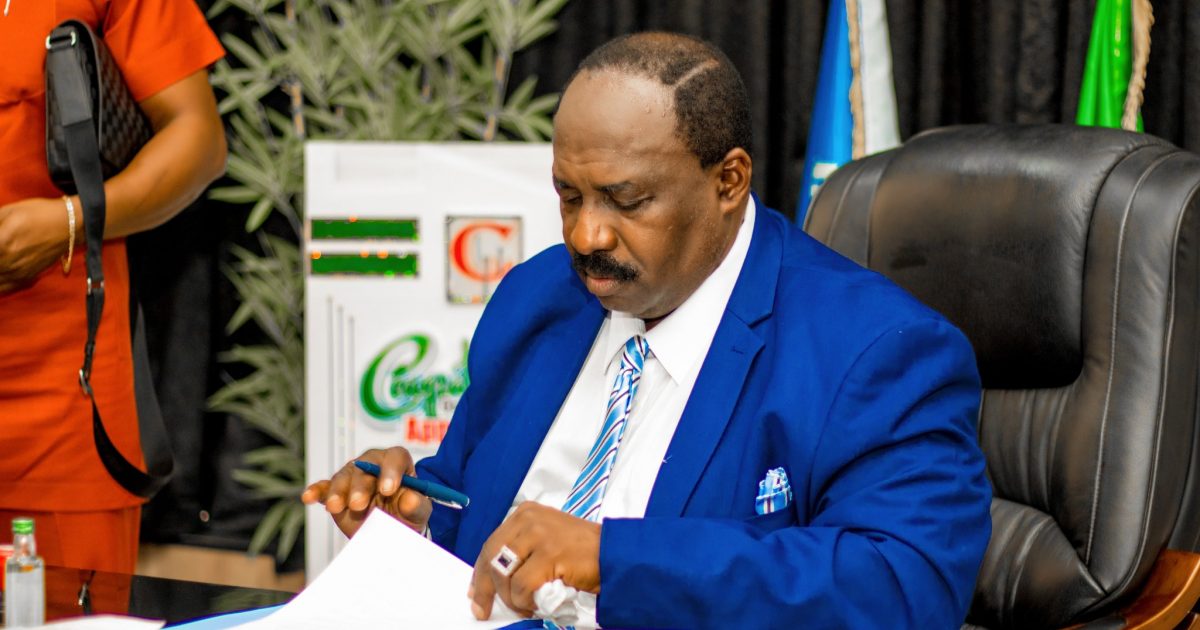
In Nigeria, the Airline Operators’ association (AON) faces backlash for advocating the confirmation of Capt. Chris Najomo as the Director-General of the Nigerian Civil Aviation Authority (NCAA). AON officials, including Vice President Allen Onyema and Prof. Obiora Okonkwo, claimed Najomo’s leadership has significantly improved the aviation sector, asserting that safety and operational standards have been enhanced under his temporary administration. This call for confirmation arises amidst an ongoing leadership dispute within the NCAA, following a suspension and investigation surrounding Capt. Musa Nuhu, the former DG, who was accused of corrupt practices. The tumultuous situation has bred discontent within the NCAA’s ranks, creating factions regarding the suitability of both Najomo and Nuhu for leadership.
The tension began when President Bola Tinubu appointed Najomo as acting DG in January 2024, after suspending Nuhu amid allegations ensuing from his prior role with the International Civil Aviation Organization (ICAO). Nuhu’s term under former President Muhammadu Buhari saw a significant focus on the aviation sector, but he now faces scrutiny as he awaits investigation by the Economic and Financial Crimes Commission (EFCC). The prolonged nature of this investigation raises concerns, especially as reports indicate little progress has been made. Insiders reveal a split among NCAA members, with opinions divided on whether Nuhu was wrongfully sidelined to clear the way for Tinubu’s ally, Najomo.
AON’s endorsement of Najomo reflects its belief that his extensive experience in aviation management and as a pilot equips him well for the role of DG, leading to an improved atmosphere within the NCAA. Onyema praised Najomo’s capabilities, asserting he is capable of addressing the challenges faced by Nigeria’s airlines. Meanwhile, industry insiders are expressing concerns with the open lobbying for Najomo’s confirmation. The lack of clarity surrounding Nuhu’s investigation, coupled with AON’s push for Najomo, contributes to a contentious atmosphere that might hinder progress in refining Nigeria’s aviation regulations.
However, the call for Najomo’s confirmation has drawn criticism from both industry experts and aviation analysts who argue that such lobbying undermines regulatory independence and poses a risk to safety. John Ojikutu condemned AON’s actions, suggesting they might compromise regulatory oversight. He cited historical examples from the U.S. aviation sector where unchecked lobbying led to significant issues, stressing that operators should not dictate regulatory appointments. This sentiment is echoed by Charles Amokwu, who cautioned that openly lobbying for regulatory positions is detrimental to Nigeria’s standing in the global aviation community. Both experts advocate for a professional and transparent approach to regulatory appointments to uphold international aviation standards as dictated by ICAO.
The ICAO Working Paper Assembly has issued resolutions condemning conflicts of interest in the aviation sector, reinforcing the need for independent safety regulation. The directive highlights the obligation of member states to maintain transparency, urging them to establish strategies to mitigate potential conflicts that may arise. As Nigeria seeks to navigate its aviation challenges, aligning with these international standards is more crucial than ever. Amokwu’s admonition serves as a reminder that engaging in overt lobbying can jeopardize Nigeria’s credibility and compliance with ICAO regulations.
The aviation minister, Festus Keyamo, has attempted to quell concerns over potential political undertones in the DG selection process, stating that the President will ultimately decide the leadership issue at NCAA. Keyamo’s assurance aims to establish a clear separation between political agendas and aviation regulatory governance. As the sector grapples with lingering tensions and divisiveness, the calls for Najomo’s confirmation by AON serve as a microcosm of broader governance challenges within the aviation industry. The implications of this leadership dispute extend beyond personnel changes, calling for serious reflection on regulatory integrity, safety oversight, and the future trajectory of Nigeria’s civil aviation sector. It is essential for the industry to foster a culture of accountability that aligns with international standards to ensure sustainable improvement in Nigeria’s aviation operations.