





In recent events surrounding the Akosombo Dam spillage in Ghana, there has been significant outcry from Persons with Disabilities (PWDs) regarding the government’s inadequate response and support during this crisis. The Ghana Federation of Disability Organizations has vocally criticized the authorities for their failure to prioritize the safety, dignity, and rights of PWDs. This criticism stems from findings that indicate a lack of essential assistive devices and services, leaving many individuals with mobility impairments particularly vulnerable during the evacuation process. The federation’s concerns highlight a broader issue of neglect towards PWDs in emergency management protocols, particularly in regions affected by natural disasters.
The federation’s assessment revealed alarming deficiencies in the evacuation process, particularly in the accessibility of evacuation routes and relief shelters. Essential infrastructure such as ramps and accessible pathways were either minimal or entirely absent in flooded areas, presenting significant barriers for individuals who rely on mobility aids. The lack of accessibility not only complicated the evacuation for PWDs but also hampered their ability to access crucial emergency services. As floodwaters rose, many PWDs found themselves stranded, unable to reach safety or assistance due to these infrastructural shortcomings.
Moreover, the inadequacy of training for relief teams exacerbated the situation, as they were unprepared to meet the specific needs of PWDs. The absence of targeted support often left individuals without the necessary aid or resources to navigate the crisis effectively. Communication failures further compounded the challenges faced by PWDs during this emergency. Critical information regarding evacuation procedures and safety protocols was not disseminated in accessible formats, such as sign language, which left many individuals with hearing impairments confused and at greater risk. The lack of inclusive communication during such a critical time underscores the urgent need for comprehensive disaster preparedness that considers the diverse needs of the entire community.
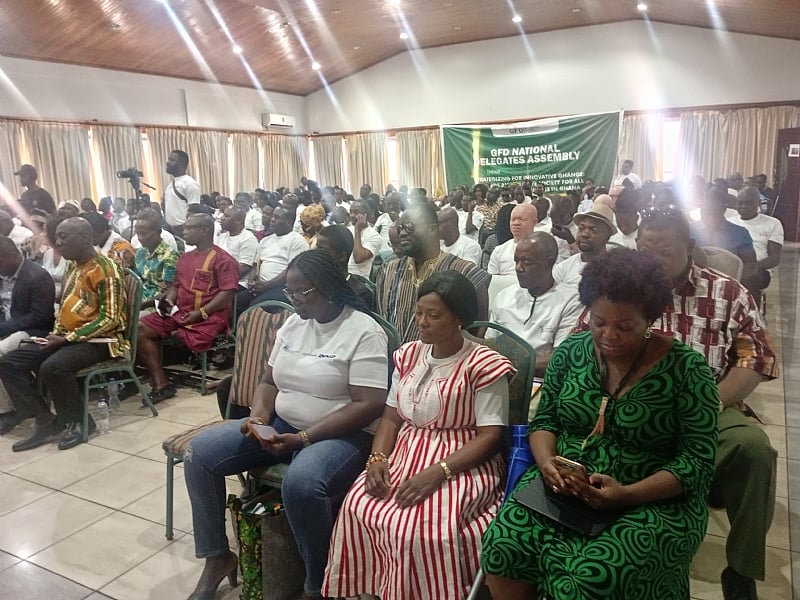
During a recent congress in Kumasi organized to commemorate the 2024 International Day of Persons with Disabilities, Madam Elikplim Klu, the Volta Regional President of the federation, emphasized the necessity for future evacuation plans to be fully inclusive. She advocated for essential changes that ensure all evacuation routes, shelters, and relief centers are designed with access in mind. Specifically, she suggested that emergency shelters should incorporate features such as ramps, accessible toilets, and designated spaces for mobility aids. Her recommendations are rooted in a broader vision of disaster management that prioritizes inclusivity and accessibility for all, ensuring that PWDs are not disproportionately affected during emergencies.
The issues highlighted by the federation draw attention to a critical gap in disaster management policies and practices. It is vital for authorities to recognize the unique challenges faced by PWDs in crises and to develop strategies that actively engage and include them in planning and response efforts. As Madam Klu pointed out, adopting an inclusive approach to disaster preparedness is not merely a guideline but a necessity that can prevent future incidences of neglect and ensure that no one is left behind. By creating systems that prioritize accessibility, authorities can not only improve outcomes for PWDs but also enhance the overall effectiveness of emergency response efforts.
In conclusion, the responses to the Akosombo Dam spillage have sparked important conversations about the rights and treatment of PWDs in Ghana. The criticisms put forth by the Ghana Federation of Disability Organizations serve as a call to action for government authorities to reevaluate and reform their disaster management strategies. By fostering an environment that prioritizes the needs of PWDs, the government can help to mitigate the challenges they face in emergencies. Emphasizing accessibility, appropriate training for relief workers, and inclusive communication are essential steps toward ensuring that all individuals have the support they need when crises arise. It is imperative to recognize that genuine inclusivity in disaster management not only serves PWDs but also strengthens the resilience of society as a whole.








