





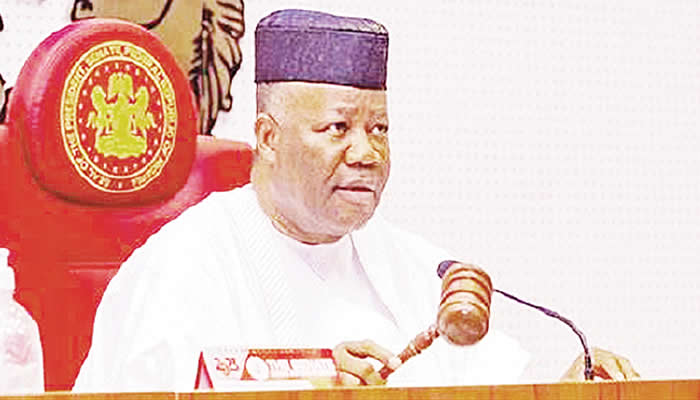
The recent signing into law of bills establishing three pivotal tertiary institutions in Nigeria’s South-East region has been met with widespread commendation, particularly from Senate President Godswill Akpabio. These institutions – the Federal University, Okigwe in Imo State, and the Federal College of Education and Federal University of Medical and Health Sciences, both situated in Bende, Abia State – represent a significant investment in education and healthcare, promising to enhance access to quality learning, research opportunities, and improved health outcomes within the region. Akpabio lauded President Bola Tinubu for this decisive action, characterizing it as a testament to his inclusive leadership and commitment to bridging the gap between the South-East and other regions, fostering national unity, and addressing historical grievances.
The establishment of these institutions signifies a crucial step towards rectifying perceived imbalances in development and addressing the socio-economic marginalization that has historically affected the South-East. By bolstering educational opportunities and strengthening the region’s healthcare infrastructure, these new institutions are poised to play a catalytic role in nurturing human capital, fostering innovation, and driving economic growth. Akpabio emphasized the importance of the South-East embracing President Tinubu’s “Renewed Hope Agenda” as a pathway to further progress and a deeper integration into the national development framework. He expressed confidence that continued support for the administration would translate into greater dividends of democracy for the region, paving the way for a more prosperous and equitable future.
Akpabio’s commendation extended beyond President Tinubu to encompass the collaborative efforts of lawmakers in both the Senate and the House of Representatives. He acknowledged the instrumental roles played by key figures such as Deputy Speaker Benjamin Kalu, Deputy Whip Senator Onyekachi Nwebonyi, Deputy Minority Whip Senator Osita Ngwu, and Senator Patrick Ndubueze, recognizing their dedication to their constituents and their unwavering support for the legislative processes that culminated in the establishment of these institutions. This bipartisan cooperation underscores the shared commitment to advancing the interests of the South-East and fostering a more inclusive and equitable national landscape.
The strategic importance of these new institutions lies not only in their immediate contribution to education and healthcare but also in their broader symbolic significance. They represent a tangible demonstration of the government’s commitment to bridging the divide between the South-East and the rest of the nation, fostering a sense of belonging, and addressing historical grievances. By investing in the region’s human capital and infrastructure, the government aims to create a more equitable distribution of opportunities and promote a more unified and prosperous Nigeria.
Akpabio’s call for the South-East to actively engage with the Renewed Hope Agenda reflects a broader strategy aimed at building bridges and fostering greater national cohesion. By aligning with the administration’s development priorities, the region can position itself to benefit from strategic investments and policy initiatives, accelerating its socio-economic transformation and contributing more fully to the nation’s overall progress. This collaborative approach promises to create a virtuous cycle of development, promoting regional advancement while strengthening the fabric of national unity.
Ultimately, the establishment of these three tertiary institutions in the South-East marks a significant milestone in the ongoing pursuit of equitable development and national integration in Nigeria. They represent a tangible investment in the region’s future, promising to enhance educational opportunities, improve healthcare outcomes, stimulate economic growth, and foster a stronger sense of belonging within the national community. Akpabio’s enthusiastic endorsement of these initiatives, coupled with his call for continued engagement with the administration, reflects a shared vision for a more inclusive and prosperous Nigeria, where every region has the opportunity to thrive.








