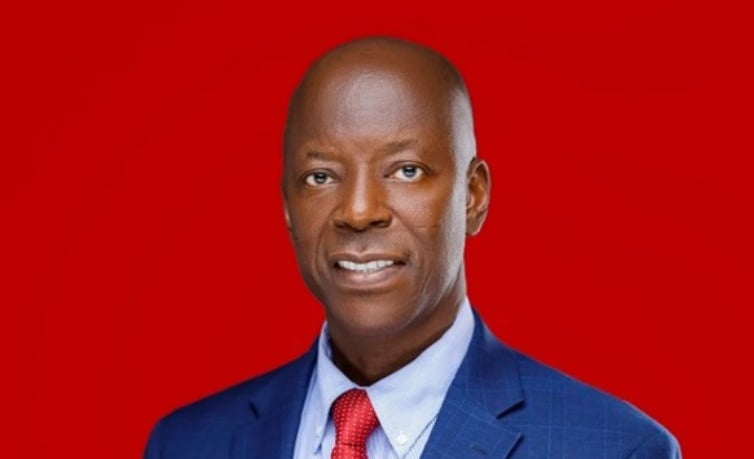
Peter Yaw Kwakye-Ackah, the Member of Parliament (MP) for Amenfi Central, remains resolute in his pursuit of an independent bid for the upcoming parliamentary elections, undeterred by attempts to declare his seat vacant. In a media briefing at Parliament on October 15, Kwakye-Ackah articulated his decision to part ways with the National Democratic Congress (NDC). He attributed this significant choice to what he called “unfair treatment” from the party. His frustration reached a breaking point when the NDC endorsed another individual as the party’s preferred parliamentary candidate for his constituency, forcing him into a position where pursuing an independent candidacy seemed necessary to serve his constituents effectively.
During his address, Kwakye-Ackah detailed the events that led to his departure from the NDC, specifically mentioning that the party publicly accused him of endorsing a candidate who had allegedly forged documents. This controversy resulted in the court issuing an injunction on the parliamentary primaries for Amenfi Central. Consequently, the other candidate was declared unopposed. The MP expressed deep dissatisfaction with this situation, feeling wronged by the lack of a fair electoral contest that would allow him to represent the interests of his constituents. His determination to run independently stems from the belief that he has a moral obligation to those he represents, rather than a commitment to party politics.
The handling of the parliamentary primaries by the NDC left Kwakye-Ackah feeling marginalized. “I have decided that if the people want me, I will go independent,” he asserted, signifying that his loyalty lies primarily with his constituents, not with the party that he feels has betrayed him. He criticized the NDC’s decision to open nominations for the primaries while subsequently denying him the opportunity to contest fairly, adding a layer of frustration over the party’s actions. The MP pointedly questioned the logic behind accepting his filing fee of GH¢45,000 without providing him the chance for a fair contest, making it clear that he views this as an unjust treatment from the NDC.
This development occurs in a broader political context where changes within the Parliament are at play. Former Minority Leader Haruna Iddrisu has initiated proceedings to declare four parliamentary seats vacant, including three held by Majority MPs who, like Kwakye-Ackah, have chosen to abandon their political parties for independent paths. This shift indicates a growing trend among sitting MPs to seek autonomy from party constraints, reflecting a potential dissatisfaction with party politics. In contrast, one Independent MP is now aligning with the New Patriotic Party (NPP), underscoring the fluidity of political affiliations in the current Ghanaian political landscape.
Kwakye-Ackah’s move has sparked discussions about the implications of independent candidacies in Ghana’s parliamentary system. Independent MPs can potentially disrupt traditional party dominance and introduce new dynamics to political competition. His actions may resonate with constituents who feel disillusioned by established political parties and yearning for greater representation of their concerns. It raises critical questions about party loyalty, representation, and the electoral process in Ghana, reflecting deeper societal sentiments regarding political authority and accountability.
As the election approaches, Kwakye-Ackah’s focus remains on garnering support from his constituency, emphasizing that their needs and opinions will guide his actions moving forward. His independent campaign encapsulates a desire for more direct accountability to voters, independent of party affiliations, which may resonate with constituents seeking a change in representation. In a landscape characterized by shifting allegiances and growing individuality among MPs, Kwakye-Ackah’s determination to run as an independent candidate illustrates a significant moment in Ghana’s political narrative, reflecting both his personal resolve and broader societal shifts toward independent political action.