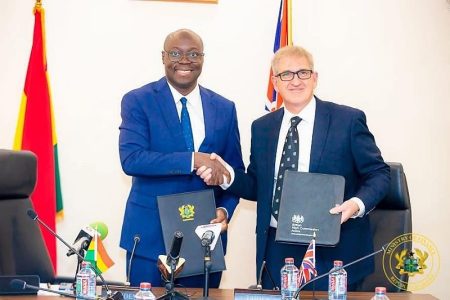
The political landscape of Sekondi witnessed a significant shift in the recent parliamentary elections, marked by the unexpected defeat of the incumbent Member of Parliament and Minister for Tourism, Andrew Kofi Egyapa Mercer. Mercer, representing the New Patriotic Party (NPP), lost his seat to the New Democratic Congress (NDC) candidate, Blay Nyameke Armah, in a closely fought contest that captivated the constituency. This outcome signals a return to NDC representation in Sekondi after a considerable period under NPP leadership, echoing the historical victory of the late Albert Bosomtwi Sam for the NDC in 1996. The election results underscore the dynamic nature of Ghanaian politics and the ever-present potential for shifts in power dynamics.
The provisional results indicate a clear victory for Armah, who secured 14,558 votes, translating to 56.40% of the total valid votes cast. Mercer, on the other hand, garnered 11,084 votes, representing 42.94% of the valid votes. This margin of victory, though not overwhelming, signifies a substantial swing in voter preference within the constituency. The total number of votes cast stood at 25,813, with 171 ballots rejected. The relatively low number of rejected ballots suggests a smooth electoral process with minimal voter confusion or technical issues. The high voter turnout underscores the engaged citizenry and their active participation in shaping the political future of their constituency.
Egyapa Mercer’s defeat marks a significant turning point in his political career. Having secured the Sekondi seat in both the 2016 and 2020 general elections, he had established himself as a prominent figure within the NPP and the government. His entry into the political arena followed the decision of Papa Owusu Ankomah, a long-serving MP for Sekondi, to retire from active politics. Mercer successfully capitalized on the opportunity and built upon the foundation laid by his predecessor. However, the recent election results demonstrate the fluctuating nature of political fortunes and the constant need for elected officials to maintain strong connections with their constituents.
Blay Nyameke Armah’s victory signifies a resurgence of the NDC’s influence in Sekondi. The constituency, having been a stronghold for the NPP for several election cycles, has now swung back to the NDC, suggesting a shift in voter sentiment and preferences. Armah’s success could be attributed to a variety of factors, including effective campaigning, resonating with local concerns, and potentially a desire for change amongst the electorate. His victory marks a new chapter for the NDC in Sekondi and presents an opportunity to implement their policies and address the needs of the constituency.
The change in representation in Sekondi will undoubtedly have implications for the political landscape of the region and the country as a whole. The NDC’s gain of this seat contributes to the overall balance of power in Parliament and may influence legislative processes and policy decisions. For the NPP, this loss serves as a call for introspection and a need to reassess their strategies and reconnect with the electorate in Sekondi. The upcoming political landscape will likely see both parties vying for greater influence and striving to address the concerns of the citizens.
This election result highlights the dynamism of Ghanaian democracy and the importance of voter participation. The shift in Sekondi demonstrates that no political seat is guaranteed, and incumbents must constantly work to earn the trust and support of their constituents. The outcome also underscores the role of effective campaigning, understanding local issues, and the power of the electorate to shape the political future of their communities. The changing political landscape in Sekondi will be closely observed as the new representative takes office and begins to implement their agenda, navigating the complex dynamics of local and national politics.