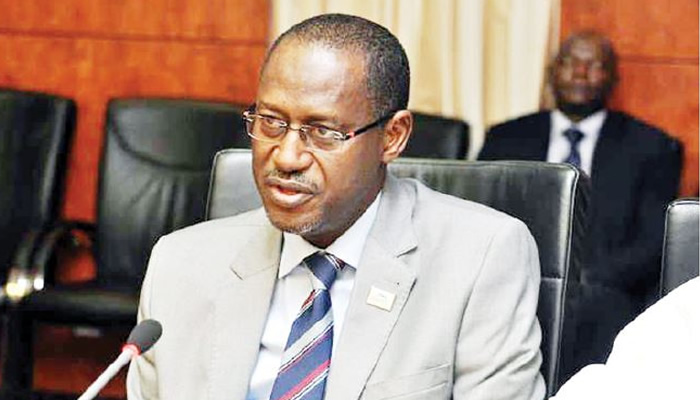
Nigeria faces a significant housing deficit, requiring innovative solutions and substantial financial investment to address the pressing need for affordable and adequate housing. The Minister of Housing and Urban Development, Ahmed Dangiwa, has highlighted the critical need for an annual investment of N50 billion to effectively drive slum upgrade and urban development initiatives. This amount, he argues, is essential to achieving sustainable progress towards meeting the Sustainable Development Goals (SDGs) by 2030, specifically those related to adequate housing and sustainable urban development. The Minister emphasized the potential for this investment to leverage further funding through partnerships with institutions like UN-Habitat, effectively multiplying its impact on urban renewal efforts. The ministry’s current interventions focus on improving living conditions in slum areas by providing essential services such as access roads, drainage systems, and water supply. With over 100 projects nationwide and nearly 60 completed, the ministry is making strides in addressing this critical challenge.
However, the Minister also acknowledged several obstacles hindering the ministry’s progress. Untimely release of budgetary allocations and the escalating cost of building materials pose significant challenges to the implementation of planned projects. He appealed to the Central Results Delivery Coordination Unit (CRDCU) for support in securing timely budgetary releases, fostering partnerships with state governments, the National Economic Council, the National Assembly, and other relevant stakeholders, and advocating for a review of the Land Use Act to facilitate more efficient land administration for housing development. These combined efforts are crucial to overcoming the financial and administrative hurdles impeding progress in the housing sector.
One of the ministry’s flagship initiatives is the Renewed Hope Cities and Estates program, which currently has 10,112 housing units under construction at 14 sites across the country. This includes 3,000 units in 12 estates, funded through the 2023 ₦50 billion supplementary budget, and 3,612 units within the Karsana Renewed Hope City, in addition to 1,500 units in Kano and 20,000 units planned for Lagos State. The program demonstrates the government’s commitment to expanding housing opportunities and improving living standards for Nigerians. President Bola Tinubu is scheduled to officiate the groundbreaking of two additional Renewed Hope Cities in Kano and Lagos States, further solidifying the government’s commitment to addressing the housing deficit.
These new projects, comprising 2,500 units in Ibeju-Lekki, Lagos, and 1,500 units in Kano, are being funded through a combination of resources from the Federal Mortgage Bank of Nigeria (FMBN) and public-private partnerships (PPPs). The ministry has actively embraced PPP arrangements to supplement limited budgetary allocations, recognizing the need for diverse funding sources to accelerate housing development. This strategic approach underscores the government’s commitment to leveraging private sector expertise and capital to address the housing crisis.
The enormity of the housing challenge necessitates a substantial increase in annual housing production. To effectively close the housing deficit, the ministry estimates a need for at least 550,000 housing units annually over the next decade. This ambitious target underscores the urgency and scale of the housing crisis. The Minister emphasized the need for a larger budgetary allocation to achieve this goal. He revealed that recent engagements with the National Assembly have indicated their willingness to support a N500 billion budget for the ministry in 2025. This increased allocation, if approved, would represent a significant boost to the ministry’s capacity to deliver affordable housing.
The Minister urged the CRDCU to actively support and advocate for the increased budgetary allocation, recognizing its crucial role in facilitating progress in the housing sector. The combined efforts of the ministry, the National Assembly, and the CRDCU, along with strategic partnerships and innovative funding mechanisms, are essential to addressing Nigeria’s pressing housing needs and ensuring access to decent and affordable housing for all citizens. The government’s proactive approach, coupled with collaborative efforts and strategic resource allocation, holds the potential to transform the housing landscape and significantly improve the lives of millions of Nigerians. The sustained commitment to these initiatives is vital to achieving long-term success in addressing this critical national challenge.