





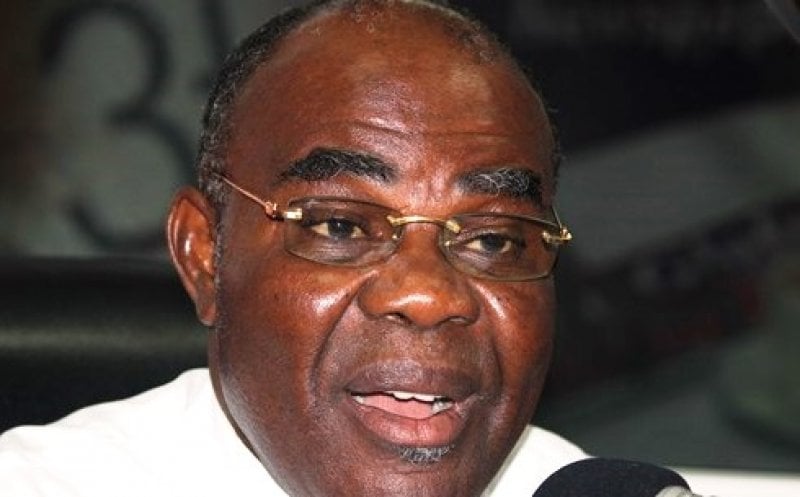
The Promotion of Proper Human Sexual Rights and Ghanaian Family Values Bill, 2021, has been a topic of significant debate within Ghana, particularly around its implications for LGBTQ+ communities. Nii Ayikoi Otoo, a former Attorney-General and Minister of Justice, has spoken publicly to clarify that the bill is not intended to target LGBTQ+ individuals directly. Instead, he suggests that its goal is to restrict the dissemination and endorsement of LGBTQ+ practices and ideologies within the society. During a television interview, Ayikoi Otoo stressed the distinction between personal identities and the promotion of LGBTQ+ advocacy, highlighting that the legislation primarily seeks to discourage societal endorsement of these communities rather than to criminalize individual lifestyles.
In the context of the bill, Ayikoi Otoo describes LGBTQ+ individuals as part of the fabric of society but suggests they possess what he refers to as “natural defects.” He offers a personal anecdote from his upbringing, which demonstrates how societal perceptions and stereotypes are often formed early in life. He recalls a comment from his mother about how his choice of clothing could lead others to perceive him in a certain way. This reflects a broader understanding that societal norms and expectations significantly influence how individuals are viewed, particularly concerning gender expression and identity. Nonetheless, he contends that such perceptions do not equate to hostility toward LGBTQ+ individuals, illustrating that there exists a nuanced cultural acknowledgment of their existence alongside traditional Ghanaian values.
Otoo further elaborates that Ghana is not inherently averse to LGBTQ+ people, citing colloquial expressions like “Kojo the Girl” as examples of cultural recognition of diverse gender identities. He emphasizes that while these individuals do exist within Ghanaian society, there is a reluctance to endorse or promote LGBTQ+ practices. His position reflects a belief in allowing individuals to coexist without endorsing what he perceives as foreign ideologies that contradict traditional Ghanaian values. Otoo argues that such cultural expressions indicate a level of acceptance that can coexist with the opposition to the broader advocacy for LGBTQ+ rights.
However, Otoo raises concerns about the influence of what he terms “foreign gender theories,” suggesting that such beliefs could potentially undermine Ghanaian cultural morals. He questions the appropriateness of promoting ideas that challenge traditional gender roles, such as encouraging young individuals to explore identities that deviate from their biologically assigned genders. For instance, he expresses apprehension about messages that would lead impressionable youth to question their gender identity, framing this as misguiding rather than supportive. This anxiety points to a broader cultural resistance to what is seen as Western impositions on local values and lifestyle.
Essentially, Ayikoi Otoo’s perspective encapsulates a complex interplay between cultural identity, societal norms, and the legislative process. His statements reflect a societal backdrop that grapples with the existence of LGBTQ+ individuals while simultaneously resisting the promotion of divergent identities that do not fit within traditional frameworks. The pushback against advocacy and educational efforts around LGBTQ+ issues underscores a tension between evolving global conversations about sexual rights and local cultural beliefs. For many in Ghana, the bill signifies an attempt to reaffirm local values against what is perceived as contrary foreign influences.
In conclusion, the Promotion of Proper Human Sexual Rights and Ghanaian Family Values Bill embodies a significant cultural dialogue about identity, societal values, and the nature of advocacy in Ghana. Ayikoi Otoo’s clarifications suggest that while the bill is viewed as protective of traditional Ghanaian values, it also highlights a need for individual existence without promotion or advocacy that is at odds with those values. The ongoing debate illustrates the challenges faced by LGBTQ+ individuals in societies grappling with rapid cultural changes, as well as the ways in which legislation can reflect broader societal fears and values. Overall, the conversation indicates a deep-rooted struggle to reconcile modern understandings of human rights with established cultural norms.








