





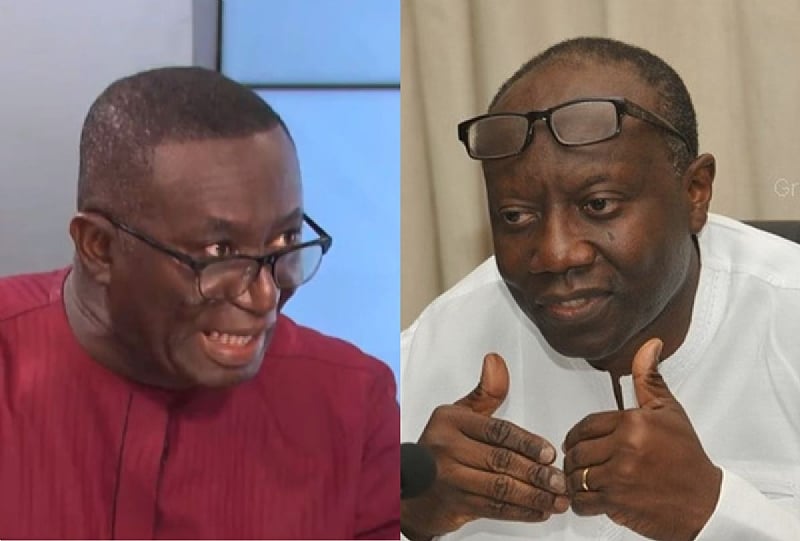
The political landscape in Ghana witnessed a significant internal struggle within the ruling New Patriotic Party (NPP) during the tenure of Ken Ofori-Atta as Finance Minister. This dissension, primarily stemming from the Majority Caucus in Parliament, culminated in a fervent call for Ofori-Atta’s dismissal. At the heart of this demand was the perception of Ofori-Atta’s overbearing authority and perceived arrogance, which some MPs believed had eclipsed even the influence of President Akufo-Addo and Vice President Bawumia. This power imbalance, as articulated by MP Andy Kwame Appiah-Kubi, created unease and concern among the ranks of the NPP, eventually leading to an open revolt against the Finance Minister.
The call for Ofori-Atta’s removal gained momentum in 2022, coinciding with a period of severe economic hardship in Ghana. The country faced downgrades from international rating agencies, reflecting a deteriorating economic situation. This downturn manifested in a high cost of living, placing significant burdens on the Ghanaian populace. The Majority MPs, representing their constituents, felt increasing pressure to address the economic woes and viewed Ofori-Atta’s leadership as a major obstacle to recovery. They believed his removal was a necessary step to demonstrate responsiveness to the public’s concerns and to potentially initiate a shift in economic policy.
President Akufo-Addo, however, remained steadfast in his support of Ofori-Atta, resisting the mounting pressure from within his own party. This decision to retain the Finance Minister, despite the growing internal dissent and public outcry, was met with considerable criticism. Many political analysts and commentators argued that the President’s unwavering loyalty to Ofori-Atta was politically detrimental, further exacerbating the already tense situation within the NPP and potentially alienating segments of the electorate. This perceived intransigence on the part of the President fueled speculation about the dynamics within the government and raised questions about the decision-making process.
The aftermath of the December 7 presidential election, which saw the NPP’s defeat, brought renewed scrutiny to the Ofori-Atta affair. The loss at the polls prompted retrospective analyses, with some commentators directly linking the party’s electoral setback to the President’s refusal to dismiss the embattled Finance Minister. They argued that the President’s perceived insensitivity to the concerns of his own party members, coupled with the public perception of Ofori-Atta’s mismanagement of the economy, contributed significantly to the NPP’s loss of public trust and ultimately, their defeat in the election. This post-election analysis highlighted the potentially far-reaching consequences of internal party divisions and the importance of responding effectively to public sentiment.
The saga of Ken Ofori-Atta’s tenure as Finance Minister serves as a case study in the complexities of political leadership and the potential pitfalls of perceived unchecked power. The accusations of arrogance and overreach, coupled with the economic challenges faced by Ghana, created a perfect storm of discontent within the NPP. The President’s decision to stand by his Finance Minister, despite the internal and external pressures, ultimately became a defining factor in the political narrative, contributing to internal divisions and potentially influencing the outcome of the presidential election.
This incident underscores the importance of maintaining a balance of power within government, fostering open communication within political parties, and demonstrating responsiveness to public concerns. The failure to address these crucial aspects can lead to internal strife, erode public trust, and ultimately impact electoral outcomes. The Ofori-Atta affair serves as a cautionary tale for political leaders, highlighting the importance of navigating internal dissent effectively and prioritizing the needs and concerns of the electorate.








