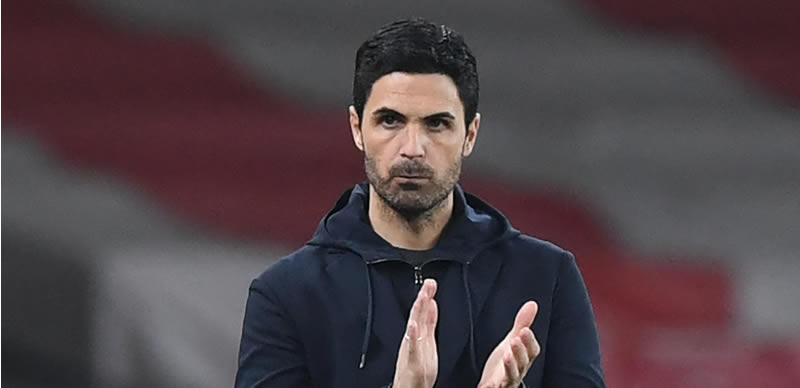
Mikel Arteta, approaching his fifth anniversary as Arsenal manager, emphasized the significance of the League Cup as a potential catalyst for future success. While his tenure began with an FA Cup triumph in 2020, the trophy cabinet has remained untouched since, despite competitive league campaigns. Arteta highlighted the importance of winning silverware, particularly the League Cup, to inject belief and positive energy into the squad, fostering momentum for achieving greater goals. He sees the cup competition as a crucial stepping stone toward “the big ones,” acknowledging the psychological boost and confidence gained from progressing through rounds and ultimately lifting the trophy. The League Cup final, scheduled for March 16th at Wembley, represents a tangible opportunity to reignite Arsenal’s winning mentality.
Arteta’s reflections on his five-year journey at Arsenal reveal a deep understanding of the cyclical nature of success in football. He recognizes that victories, especially in cup competitions, can generate a positive feedback loop. The thrill of advancing to the next round, overcoming tough opponents in semi-finals and finals, instills a sense of belief and reinforces the team’s collective spirit. This positive energy, he believes, can translate into improved performances in other competitions, creating a ripple effect that propels the team towards further triumphs. The League Cup, often viewed as a secondary competition, becomes in Arteta’s perspective a vital instrument for building momentum and establishing a winning culture.
The timing of the League Cup, strategically positioned mid-season, further amplifies its importance in Arteta’s eyes. A successful cup run can inject much-needed impetus into a team’s league campaign, providing a psychological boost and a tangible sense of achievement that can carry over to other competitions. The League Cup final falling in March, a crucial period in the football calendar, provides an opportunity to solidify the team’s confidence and establish a winning rhythm as the season reaches its climax. Winning the League Cup can become a springboard for a strong finish in the league and a positive platform for future seasons, creating a virtuous cycle of success.
Arteta’s focus on building momentum through cup competitions reveals a long-term vision for Arsenal’s development. He understands that consistent success is built upon a foundation of positive experiences and a winning mentality. The League Cup, while not the ultimate prize, provides a valuable opportunity to cultivate this winning mindset. By prioritizing the League Cup and emphasizing its importance to the players, Arteta aims to create a culture of success, where each victory fuels the desire for more. This approach reflects a belief in the power of incremental progress and the importance of building confidence through tangible achievements.
The manager’s emphasis on selecting “the best team to win it” underscores his commitment to the League Cup. While acknowledging the need to manage squad rotation and consider the upcoming league fixture against Crystal Palace, Arteta’s priority remains winning the cup tie. This demonstrates a refusal to treat the competition lightly, even with other important matches on the horizon. By fielding a strong side, Arteta sends a clear message to the players and the fans: the League Cup is a priority, and winning it is a significant objective. This commitment to the competition reinforces the idea of its importance as a stepping stone to greater achievements.
Arteta’s perspective on the League Cup and its potential impact on Arsenal’s future success reflects a nuanced understanding of football psychology and team dynamics. He recognizes the importance of building momentum, fostering belief, and creating a winning culture. The League Cup, in his view, is not just another competition; it is a valuable opportunity to achieve these objectives and lay the foundation for sustained success. By prioritizing the competition and instilling this belief in his players, Arteta aims to transform Arsenal into a team capable of competing for “the big ones” on a consistent basis.