





Paragraph 1: A Slow Start to Voting in Ashaiman
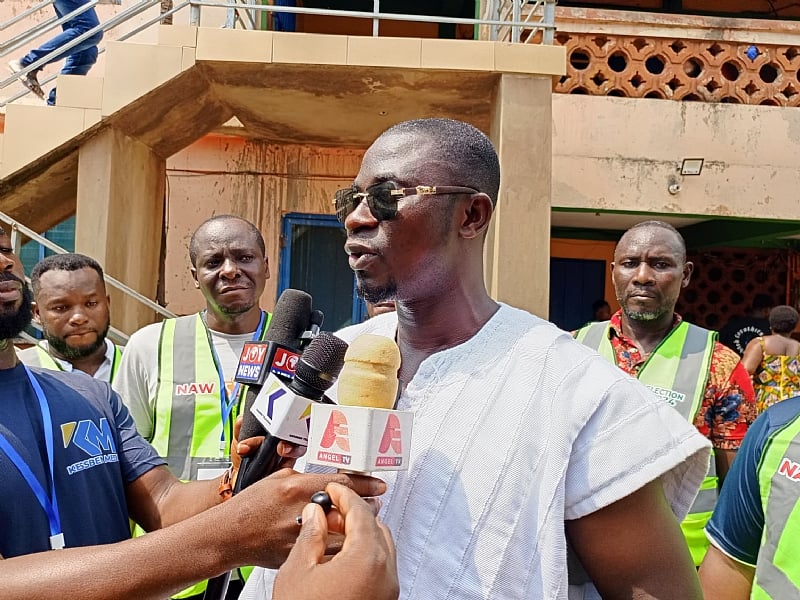
Ernest Norgbey, the incumbent Member of Parliament (MP) for Ashaiman and the National Democratic Congress (NDC) parliamentary candidate, expressed concern over the sluggish voter turnout in his constituency during Ghana’s general election. Visiting the Celestial SHS polling station after casting his own ballot, Norgbey observed a lower-than-expected number of voters. By mid-morning, only 157 out of 393 registered voters at that particular station had exercised their franchise. This slow start prompted Norgbey to initiate a proactive strategy, pledging to personally visit constituents’ homes and encourage them to participate in the crucial election.
Paragraph 2: The Significance of the Election and Norgbey’s Optimism
Norgbey emphasized the importance of the general election, highlighting its distinction from local assembly elections and its potential to bring about significant changes in governance. He urged residents of Ashaiman to treat the election with the seriousness it deserved and contribute to shaping the future direction of the country. Despite the initial low turnout, Norgbey remained optimistic, aiming for an 80 percent voter participation rate by the close of polls. He viewed the slow start not as a setback but as a motivator to intensify his efforts and ensure a higher turnout.
Paragraph 3: Norgbey’s Campaign Strategy and Focus on Policy
Norgbey’s confidence in his campaign stemmed not from overconfidence, but from a deep belief in the policies and promises put forth by the NDC. He emphasized that his campaign strategy was not centered on attacking opponents or engaging in negative campaigning. Instead, he focused on communicating his party’s vision and plans for the constituency and the nation as a whole. This policy-centric approach reflected his belief in the power of ideas and the importance of offering concrete solutions to the challenges facing the electorate.
Paragraph 4: Technical Challenges with Biometric Verification Devices
The voting process in Ashaiman, like in other areas, encountered technical difficulties related to the biometric verification devices (BVDs). Norgbey reported that some of the machines malfunctioned, while others were simply insufficient to handle the expected voter volume. These technical glitches contributed to delays in the voting process, potentially discouraging some voters from waiting in long queues. The issues with the BVDs underscored the importance of robust election infrastructure and the need for adequate technical support to ensure smooth and efficient voting procedures.
Paragraph 5: Norgbey’s Door-to-Door Campaigning and Focus on Voter Mobilization
Determined to counter the low voter turnout, Norgbey outlined a plan to engage in direct voter mobilization. His strategy involved going door-to-door, visiting the homes of constituents, and personally encouraging them to participate in the election. This personalized approach demonstrated his commitment to ensuring that every eligible voter had the opportunity to exercise their democratic right. Norgbey’s knowledge of the community and its residents would be instrumental in targeting specific areas and individuals who had not yet voted.
Paragraph 6: The Importance of Voter Participation in a Democratic Society
Norgbey’s efforts to boost voter turnout reflected the fundamental importance of citizen participation in a democratic society. Elections serve as the cornerstone of democratic governance, providing a platform for citizens to express their preferences and choose their representatives. A high voter turnout signifies a healthy and vibrant democracy, while a low turnout can raise concerns about the legitimacy and representativeness of the elected government. Norgbey’s proactive approach to encouraging voter participation underscored the vital role of elected officials in fostering a culture of civic engagement and strengthening the democratic process. His actions served as a reminder that democracy thrives on the active participation of all its citizens.








