









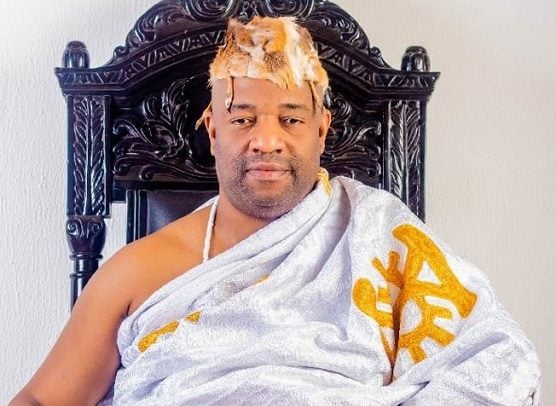
In a recent development concerning the leadership of the Ga state, the claims made by Boni King Tackie Adama Latse II have been strongly refuted by the legal representative of King Tackie Teiko Tsuru II. Boni King Tackie Adama Latse II asserts that he is the legitimate and constitutionally recognized Ga Mantse, a stance he reiterated in a statement released on October 26. In this statement, he accused King Tackie Teiko Tsuru II of unlawfully holding the position. However, the response from Nii Ayikoi Otoo, the President of the Ga Dangbe Council and legal counsel for King Tackie Teiko Tsuru II, offers a stark contrast to Adama Latse’s claims.
During an interview on Channel One TV on October 28, Otoo emphasized that the ongoing court case regarding the Ga Mantse title has been prolonged significantly due to the actions of Boni King Tackie Adama Latse II’s legal team. He highlighted that both parties are currently before the judicial committee of the Greater Accra House of Chiefs. Otoo asserted that Adama Latse is cognizant of the pending legal proceedings yet continues to proclaim himself as the sole Ga Mantse—a claim he finds surprising given the ongoing legalities.
Otoo pointed out specific failures on the part of Adama Latse by citing a legal battle he lost where he sought a restraining order against King Tackie Teiko Tsuru II’s functions. The court ruled in favor of Teiko Tsuru II, permitting him to continue performing the responsibilities associated with the Ga Mantse until a final legal determination is made. With multiple court appearances since Otoo’s involvement, he noted that the court had mandated both parties to submit their witness statements; however, Adama Latse’s failure to comply with these directives has raised questions regarding his commitment to the legal process.
The assertion by Otoo is firm—that Adama Latse’s recent statements and proclamations are filled with inaccuracies. He referred to these claims as “untruths,” insisting that King Tackie Teiko Tsuru II operates under the court’s orders, which affirm his right to execute the duties of the Ga Mantse during the ongoing litigation. Otoo also advised Adama Latse to re-evaluate his position and act promptly by coming to court to facilitate the resolution of their legal disputes.
The unfolding of this dispute over the Ga Mantse title exemplifies a profound clash in leadership that not only divides opinion but has also led to public pronouncements that lack legal foundation. Adama Latse’s attempts to assert dominance in the absence of a favorable court ruling compel observers to question the motivations behind his statements. Equally significant is the legal maneuvering that has characterized this strife, with a focus on transparency in the judicial process as both parties vie for legitimacy.
As the situation develops, the role of the courts in addressing this dispute will remain vital. The insistence of Otoo that the current legal framework supports King Tackie Teiko Tsuru II’s position indicates the complexity of traditional leadership and the legal ramifications that arise when claims of authority are contested. The resolution of this case could have lasting implications not only for the parties involved but also for the governance structure within the Ga traditional system, potentially setting precedents for how such disputes are adjudicated in the future.









