





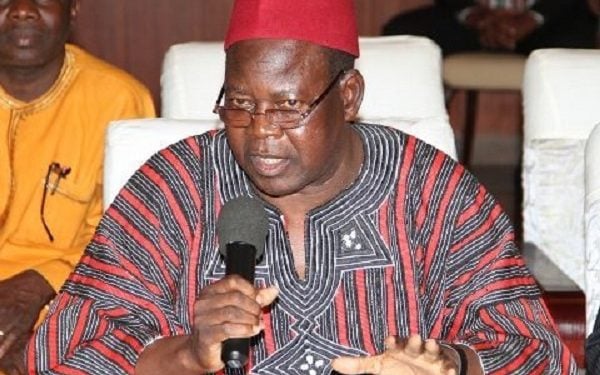
The controversy surrounding the discontinuation of several high-profile cases by Ghana’s Attorney General, Dr. Dominic Ayine, has sparked intense debate and criticism, particularly from anti-corruption advocate Vitus Azeem. At the heart of the issue lies the Attorney General’s rationale for dropping the charges against individuals affiliated with the National Democratic Congress (NDC), citing a potential conflict of interest due to his prior representation of some of the accused. This explanation, however, has been met with strong disapproval from Azeem, who argues that the Attorney General’s office operates as an institution, not solely as an extension of the individual holding the position. He contends that Dr. Ayine could have easily recused himself, allowing other competent prosecutors within the office to pursue the cases, thereby upholding the principles of justice and avoiding any perception of bias. Azeem’s condemnation highlights the critical importance of impartiality and accountability, particularly in cases involving individuals with political affiliations.
Azeem’s critique centers on the perceived inadequacy of Dr. Ayine’s justification for halting the prosecutions. He emphasizes the institutional nature of the Attorney General’s office, arguing that it functions with a team of legal professionals, enabling the seamless continuation of cases even when the Attorney General himself faces a conflict of interest. By recusing himself, Dr. Ayine could have ensured the integrity of the legal process and avoided the appearance of political favoritism. Azeem’s position underscores the principle that the pursuit of justice should not be compromised by personal associations or political considerations. The decision to discontinue the cases, according to Azeem, sends a troubling message about the commitment to holding individuals accountable, regardless of their political connections.
The discontinued cases involved high-profile figures within the NDC, including Dr. Cassiel Ato Forson, Ofosu Ampofu, Dr. Stephen Opuni, and Dr. Johnson Pandit Asiama, Governor of the Bank of Ghana. The nature of the charges against these individuals, although not explicitly detailed in the provided text, adds another layer of complexity to the situation. The lack of transparency surrounding the specific allegations further fuels public suspicion and raises concerns about potential political maneuvering. Azeem’s insistence on accountability underscores the importance of pursuing justice diligently and transparently, especially in cases involving influential individuals.
The Attorney General’s decision to discontinue the cases has far-reaching implications for public trust in the legal system. Azeem’s criticism highlights the erosion of public confidence that can result from perceived political interference in legal proceedings. The perception that individuals affiliated with the ruling party are immune from prosecution undermines the principle of equality before the law and erodes the public’s faith in the judiciary’s impartiality. This incident underscores the critical need for transparency and accountability within the legal system to maintain public trust and ensure that justice is served without prejudice.
Azeem’s strong stance against the Attorney General’s decision reflects a broader concern about the politicization of legal processes. The perception of political influence in legal matters can undermine the rule of law and create an environment of impunity. Azeem’s advocacy for greater accountability serves as a reminder that the legal system must be independent and impartial to effectively uphold justice and maintain public trust. The controversy surrounding these discontinued cases underscores the importance of robust checks and balances to prevent political interference and ensure that legal proceedings are conducted fairly and transparently.
In conclusion, Vitus Azeem’s condemnation of the Attorney General’s decision to discontinue the cases against NDC-affiliated individuals highlights critical issues of accountability, transparency, and the potential for political interference in the legal system. His argument that the Attorney General should have recused himself, allowing other prosecutors to handle the cases, underscores the institutional nature of the Attorney General’s office and the importance of maintaining impartiality in legal proceedings. The controversy surrounding these discontinued cases raises serious concerns about public trust in the legal system and the need for stronger safeguards against political influence to ensure that justice is served without prejudice. The lack of transparency surrounding the specific charges against the individuals involved further fuels public suspicion and reinforces the need for greater accountability in the handling of such high-profile cases.








