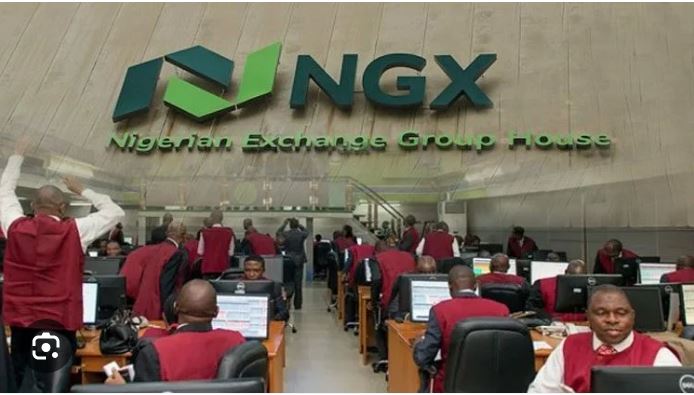
In recent trading reports, banking stocks on the Nigerian Exchange Limited have registered a notable increase in market capitalization, rising to N7.91 trillion by the end of last week. This increase comes in the wake of new capital requirements imposed by the Central Bank of Nigeria (CBN), prompting a second wave of capital-raising efforts among various banks. A comparative analysis reveals that on June 3, the market capitalization of 13 banks stood at N6.22 trillion, indicating that since commencing their recapitalization processes, these banks have collectively gained approximately N1.69 trillion—an appreciation of 27.19%. The list of banks involved includes major players such as United Bank for Africa, Zenith Bank, Access Holdings, FBN Holdings, and Ecobank, along with several others.
The trend indicates a growing number of banks entering the N1 trillion market capitalization club, with the count rising from two—Guaranty Trust Holding Company and Zenith Bank—to four, bringing in United Bank for Africa and FBN Holdings as key players. Tunde Amolegbe, Managing Director of Arthur Stevens Asset Management Limited, highlighted that the experience of banks raising additional capital has positively influenced their share prices, even before share allotment was completed. Analysts suggest that the stock market behaves as a forward pricing mechanism, which explains the optimism surrounding the banks’ valuations given that higher capital is anticipated to lead to increased gross income.
The banking stocks have previously demonstrated impressive growth, particularly during the prior week, when investor sentiment surged and led to heightened purchasing activity. This high demand made the banking index the top performer for the week, climbing by 7.86 percent. The strong interest was largely driven by the release of robust earnings reports by several banks, providing promising indicators for year-end performance expectations. The CBN’s announcement earlier this year regarding heightened capital thresholds for banks has created a sense of urgency for financial institutions as they seek to comply with the new mandates, which require commercial banks with international licenses to raise their capital base to N500 billion and national banks to N200 billion.
In light of these developments, banks have been proactive in formulating plans for fresh capital raises aimed at meeting the CBN’s requirements within a two-year timeline. Notably, the CBN guidelines specify that only paid-up capital and share premiums should be considered for meeting the new capital targets, explicitly excluding additional Tier 1 capital from eligibility. As of now, the deadline for banks to achieve the new minimum capital requirement runs from April 1, 2024, until March 31, 2026, allowing a window for compliance alongside maintaining the requisite capital adequacy ratios.
In the initial phases of this capital-raising endeavor, Fidelity Bank successfully launched a combined capital offer that exceeded its target, generating significant appetite from investors. Following Fidelity’s successful round, other prominent banks such as Guaranty Trust Holding Company, Zenith Bank, and Access Holdings have also entered the market, seeking to bolster their financial footing through various strategies. Sterling Financial Holdings aims to raise N153 billion, bolstered by a recent $50 million private placement initiative. According to the Director-General of the Securities and Exchange Commission, Dr. Eromomotimi Agama, the demand for shares among the initial group of banks has been robust, with many reporting oversubscriptions.
As some banks conclude their capital-raising efforts, others are preparing to initiate similar processes. Notably, FBN Holdings plans to seek shareholder approval for a notable N350 billion raise at its next Annual General Meeting. They have also opened a N150 billion rights issue. In an important declaration from the United Bank for Africa’s management, plans to raise capital were underscored, dispelling the possibility of mergers or acquisitions. This strategic positioning indicates that UBA is prepared to comply with the recapitalization mandate and will initiate the process imminently, with approvals already sought from relevant regulatory bodies. Overall, these developments signal an optimistic trajectory for Nigeria’s banking sector, with significant opportunities for growth fueled by increasing capital resources.