









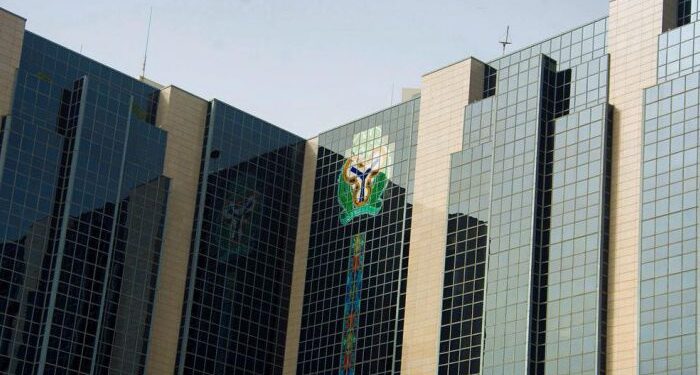
The Central Bank of Nigeria (CBN) has implemented a revised fee structure for ATM transactions, effective February 10, 2025, sparking controversy and legal challenges. The new guidelines stipulate a N100 charge for withdrawals of N20,000 or less from ATMs belonging to banks other than the customer’s own. This applies to “on-site” ATMs located within or near bank branches. Withdrawals from a customer’s own bank’s ATMs remain free. For “off-site” ATMs situated in locations like shopping malls and fuel stations, an additional surcharge of up to N500 can be applied per transaction. International ATM withdrawals will incur charges based on cost recovery, aligning with fees levied by the international acquirer. The CBN’s rationale for these changes centers on rising operational costs and the need to enhance ATM service efficiency across the banking sector.
The revised fee structure has ignited strong opposition from various quarters, including consumer advocacy groups and individuals concerned about its impact on low-income earners. The Socio-Economic Rights and Accountability Project (SERAP) has taken legal action against the CBN, challenging the fee increase as unlawful, unfair, unreasonable, and contrary to the Federal Competition and Consumer Protection Act 2018. SERAP’s lawsuit, filed at the Federal High Court in Lagos, seeks a judicial determination on the legality of the CBN’s decision. They contend that the increased charges disproportionately burden vulnerable Nigerians and potentially contribute to human rights violations. SERAP has publicly urged CBN Governor Olayemi Cardoso to reverse the decision, emphasizing the potential for exacerbating economic hardship for the poor.
Tech entrepreneur Tope Dare has also voiced concerns, arguing that the new policy favors wealthier individuals who can withdraw larger sums and avoid the charges, while penalizing low-income earners and small business owners who rely on smaller, more frequent withdrawals. This sentiment resonates with broader criticisms of the policy as regressive, effectively increasing the cost of banking for those least able to afford it. The debate underscores the tension between the CBN’s stated goal of improving ATM services and the potential for such improvements to come at the expense of financial accessibility for a significant portion of the population.
Responding to the concerns, the CBN, through Acting Director of Financial Policy and Regulation John Onoja, has encouraged banks to ensure sufficient cash availability at their ATMs to minimize the need for customers to use other banks’ ATMs and incur the associated charges. This response, however, doesn’t address the fundamental issue raised by critics – the inherent disadvantage imposed on those who cannot afford to withdraw large sums or who live in areas with limited access to their own bank’s ATMs. The onus remains on banks to strike a balance between operational efficiency and customer accessibility, a challenge intensified by the new fee structure.
The core of the controversy rests on the perceived unfairness of the fee structure, with concerns about the potential for it to disproportionately impact low-income earners and smaller businesses. This raises questions about the CBN’s approach to balancing the need for improved ATM services with the imperative of ensuring equitable access to financial services for all Nigerians. The legal challenge mounted by SERAP further complicates the matter and adds another layer of scrutiny to the CBN’s decision-making process.
The unfolding situation highlights the broader debate surrounding financial inclusion and the role of regulatory bodies in navigating the complex landscape of economic development and social equity. The outcome of the legal challenge and the subsequent actions of the CBN will play a crucial role in shaping the future of ATM transaction fees and, potentially, the wider accessibility of financial services in Nigeria. The CBN’s response to the mounting pressure, and its commitment to addressing the concerns of vulnerable populations, will significantly influence public perception and define the long-term impact of this policy change.









