





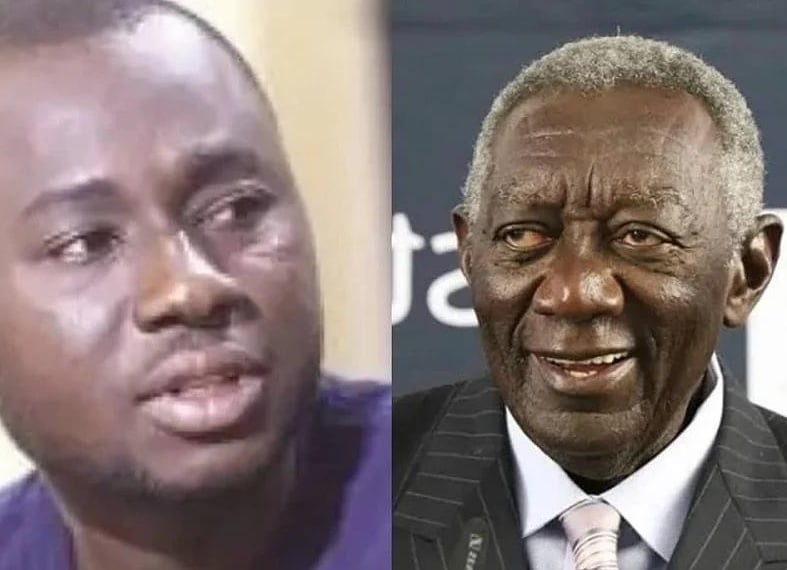
Atik Mohammed has called for intervention from ex-President John Agyekum Kufuor and other respected figures in tackling the escalating tensions in Parliament, where a standoff between the Majority and Minority Caucuses is unfolding. The current crisis was ignited by Speaker Alban Bagbin’s declaration that four parliamentary seats are vacant, prompting the Minority to claim majority status. This claim has faced backlash from the ruling New Patriotic Party (NPP), which remains adamant about maintaining its perceived majority. As a direct result of this ongoing power struggle, the Supreme Court issued a suspension of the Speaker’s ruling, but Speaker Bagbin has rejected this writ, citing constitutional immunity as his justification for inaction.
In a recent appearance on Peace FM’s “Kokrokoo,” Atik Mohammed characterized the situation as a “turf war” that risks destabilizing the already fragile legislative system. He expressed his concern about the implications of this conflict and urged respected figures, including former President Kufuor and the Chief Imam, to mediate in the dispute. Mohammed underlined Kufuor’s stature as one of Ghana’s most respected statesmen, indicating that both sides in the Parliament hold him in high regard. He believes that Kufuor’s involvement could pave the way for constructive dialogue and resolution, enabling a return to normalcy within the legislative processes.
Emphasizing the need for collaborative efforts, Atik suggested that it is imperative for the Speaker and key parliamentary leaders to convene with distinguished individuals in an attempt to resolve the standoff amicably. He argued that the escalating conflict does not serve the interests of Ghana or the Parliament, as it may further tarnish the reputation of the country’s legislative body. Political instability, he warns, could have broader repercussions for governance and public perception, potentially eroding trust in democratic institutions.
Restoring order in Parliament is seen as crucial not only for the legislative body but also for the overall stability of Ghana, according to Mohammed. He underscored that conflicts of this nature disrupt the essential functions of governance and could detract from addressing pressing national issues. The continued power tussle, he pointed out, diverts attention away from the critical responsibilities that Parliament must fulfill to meet the needs and aspirations of the Ghanaian populace.
The current political climate requires urgent attention, as the parliamentary impasse poses a significant threat to effective governance. Atik has stressed that it is not merely a matter of partisan politics; it is a fundamental issue of national interest that requires all stakeholders to come together for the greater good. Given the precarious nature of political dynamics in Ghana, resolving the conflict within Parliament could set a precedent for future interactions between different political actors.
In conclusion, Atik Mohammed’s call for intervention highlights the urgent need for reconciliation in Ghana’s Parliament. As tensions mount between the Majority and Minority Caucuses, the involvement of respected figures like Kufuor could facilitate a dialogue aimed at resolving the ongoing impasse. A collaborative approach to restoring order within the legislature is necessary to uphold the integrity of Ghana’s democratic processes and to ensure that Parliament can effectively serve the interests of its citizens. Engaging in dialogue and seeking common ground may ultimately lead to a more stable political climate, benefiting the country as a whole.








