









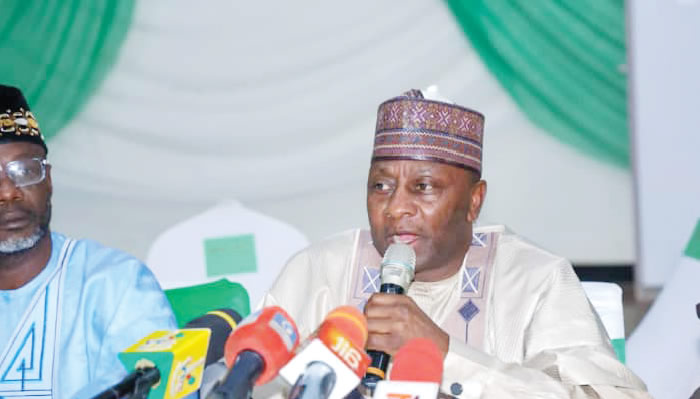
The Bauchi State Government has affirmed its commitment to fully implement local government autonomy, adhering to a Supreme Court ruling on the matter. This commitment was articulated by the Secretary to the State Government (SSG), Aminu Hammayo, during a press briefing following a stakeholders’ consultative meeting. This meeting, held at the Government House Banquet Hall, was presided over by Governor Bala Mohammed, his deputy, Auwal Jatau, and the Speaker of the Bauchi State House of Assembly, Abubakar Suleiman. The central focus was to establish a practical framework for implementing the court-mandated local government autonomy within the state. The SSG announced that two executive bills addressing the implementation process would soon be presented to the State House of Assembly.
The issue of local government autonomy has dominated national discourse for the better part of the last six to seven months, arising from a Supreme Court judgment unequivocally granting autonomy to these local administrative units. Recognizing the significance of this judgment, the Bauchi State Governor initiated a statewide review of issues surrounding local government autonomy. This led to the convening of a comprehensive stakeholders’ meeting, encompassing local government chairmen and other relevant parties, to chart a course for effective implementation within the state. The meeting facilitated robust discussions and provided a platform for various perspectives on the subject. Discussions revolved around critical facets of local governance, including administration, revenue generation, revenue sharing mechanisms, existing structural frameworks, and other pertinent considerations.
The deliberations at the stakeholders’ meeting yielded significant outcomes, culminating in the drafting of two crucial bills: the Local Government Administration Bill 2025 and a separate law designed to facilitate the implementation of local government autonomy within Bauchi State. These bills, meticulously prepared and presented by the Attorney-General and Commissioner of Justice, were subjected to intense scrutiny and debate by the stakeholders. The objective was to ensure that the legislation reflected the diverse viewpoints and ultimately served as robust and effective instruments for local governance. The process incorporated feedback and suggestions to refine the bills, ensuring they comprehensively addressed the practicalities of local administration. The SSG emphasized the government’s commitment to incorporating these insights into the final versions of the bills before submission to the State House of Assembly.
These two pieces of legislation are pivotal to the effective implementation of local government autonomy within Bauchi State. The Local Government Administration Bill 2025 aims to redefine the administrative structure and operations of local governments. It sets out the responsibilities and powers of local government officials, outlines the administrative procedures for efficient service delivery, and addresses the financial management aspects of local governance. This bill is designed to strengthen local government capacity, improve transparency, and enhance accountability within the system. The second bill, focusing specifically on implementing local government autonomy, outlines the legal framework for the operationalization of the autonomy granted by the Supreme Court. It clarifies the relationship between the state government and the local governments, delineates the scope of their autonomy, and sets out mechanisms for intergovernmental cooperation.
The comprehensive consultation process leading to the formulation of these bills reflects the Bauchi State Government’s commitment to inclusive governance. By engaging a broad spectrum of stakeholders, including local government chairmen, legal experts, and community representatives, the government has sought to create a framework that truly reflects the needs and aspirations of the people it serves. This participatory approach is essential to ensuring the successful implementation of local government autonomy and its long-term sustainability. The diverse inputs gathered during the consultative process will ensure that the legislative framework is well-rounded and addresses the multifaceted challenges of local governance.
The Bauchi State Government, through the drafting and eventual passage of these bills, seeks to create a more effective and accountable system of local governance. The granted autonomy is intended to empower local governments to manage their affairs, improve service delivery at the grassroots level, and foster greater citizen participation in the governance process. By devolving power to the local level, the state government aims to promote more responsive and efficient governance structures that can address the specific needs of local communities. This devolution of power also carries with it the expectation of increased transparency and accountability at the local level, fostering greater public trust in government institutions. The two bills represent a significant step towards realizing the full potential of local governance in Bauchi State and serve as a testament to the state’s commitment to strengthening democratic processes at the grassroots level. The ultimate goal is to create a system where local governments are empowered to effectively address the unique challenges faced by their communities and contribute to overall societal development.









