









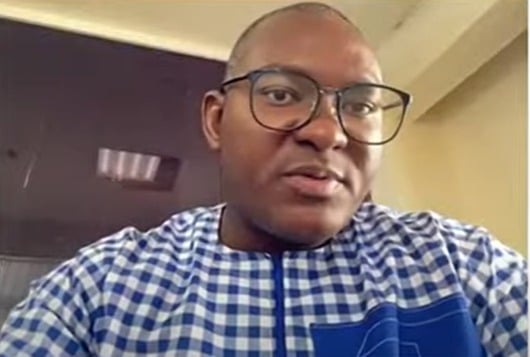
Dr. Victor Doke, a lecturer at the Kofi Annan International Peacekeeping Training Centre (KAIPTC), has offered critical advice concerning the ongoing unrest in Bawku, a town in Ghana that has been rife with conflict. In a recent interview, Doke expressed that the presence of a rival chief, Alhaji Seidu Abagre, has significantly contributed to the escalating tensions and violence in the area. He articulated that conflicts are often predictable when competing local leadership figures exist, underscoring that either there was a failure to heed warnings about this impending confrontation or that external stakeholders have shown negligence. The situation in Bawku appears to be a manifestation of broader issues related to traditional leadership and local governance, where rivalries can lead to severe social unrest.
Doke emphasized the necessity for immediate action from the government, recommending the temporary removal of Alhaji Seidu Abagre from Bawku as a means to restore peace. He argued that without decisive measures, the cycle of violence is destined to continue. The suggestion to displace a chief highlights the complexity of chieftaincy issues in Ghana and the potential implications such an action could have on local governance and identity. Moreover, Doke criticized the government’s hesitance to act, suggesting that political calculations, particularly in light of upcoming elections, have influenced decision-making processes. He implied that the authorities’ reluctance to issue a proper arrest warrant for Abagre might stem from a fear of political backlash or exacerbating the situation further.
The backdrop to Doke’s remarks is grim, with the ongoing conflict resulting in at least 19 confirmed deaths, including a recent ambush that claimed the lives of ten individuals. The violence in Bawku has manifested in various forms, including armed attacks on civilians, which have further instilled fear among local populations. For instance, a recent attack involved unidentified assailants firing at a vehicle carrying individuals from Bawku, tragically resulting in fatalities among passengers, including both a local and a Togolese national. This incident underscores the indiscriminate nature of the violence, impacting innocent civilians caught in the crossfire of the ongoing clashes.
Furthermore, the humanitarian aspect of the Bawku conflict cannot be ignored. Reports indicate that one of the victims was traveling to Togo to bury his father, who had passed away while receiving care in Bawku. This personal tragedy highlights the human toll the conflict takes on families and communities, as violence disrupts not just lives but essential cultural and social practices, such as mourning and remembrance. The continuing unrest presents challenges to community cohesion and underscores the urgent need for conflict resolution mechanisms that can address underlying grievances and facilitate dialogue among conflicting parties.
Despite the deployment of security forces tasked with restoring order, the situation in Bawku remains precarious, marked by frequent acts of violence and an atmosphere of tension. The security challenges present in the region suggest that merely increasing police presence may not be sufficient to quell hostilities. Instead, there is a pressing need for comprehensive strategies that include community engagement, mediation, and a focus on addressing the underlying causes of the conflict. These could include initiatives aimed at fostering dialogue between the rival factions and promoting inclusive governance that recognizes the rights and voices of all stakeholders involved, including traditional leaders.
In conclusion, the advice from Dr. Victor Doke highlights critical issues regarding local governance, traditional authority, and state intervention in conflict situations such as Bawku. The ongoing violence and loss of life emphasize the urgency of finding a resolution to the current crisis, with the suggestion to remove Alhaji Seidu Abagre serving as a potential starting point for restoring stability. However, long-term solutions must go beyond temporary fixes; they need to encompass the broader social dynamics at play and involve community-based approaches that prioritize unity and peacebuilding. As the situation unfolds, the path forward will require both immediate action and strategic planning from the government and local leaders alike to ensure that peace can be returned to Bawku and prevent further casualties.









