





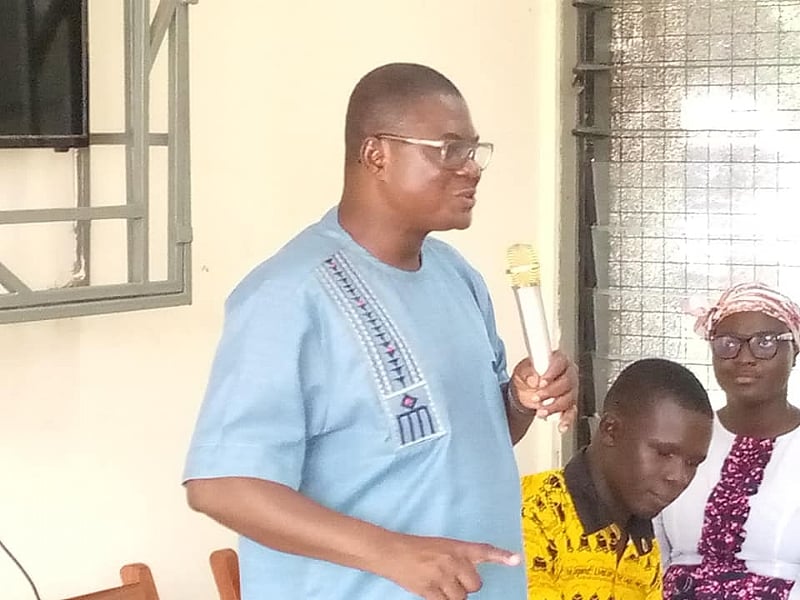
The recent decision by the Attorney General of Ghana to withdraw an appeal that sought to reinstate an arrest warrant for a person claiming the title of Bawku Naaba has ignited significant controversy, particularly within the local political landscape. John Krugu, the New Patriotic Party (NPP) parliamentary candidate for Zebilla, has suspended his campaign to demand clarity and accountability from the government regarding this contentious issue. The ongoing dispute over the rightful Bawku Naaba, which has its roots in tensions that began in 2007, revolves around the legitimacy of Asigri Abugrago Azoka II, the recognized chief, and a rival claimant who has challenged this authority. The government has traditionally maintained a firm stance against the rival claimant, which has contributed to relative stability and peace in the Kusaug traditional area. However, the Attorney General’s recent decision has rekindled tensions in a region that has previously suffered from sectarian violence.
The origins of the Bawku Naaba conflict can be traced to a deep-rooted chieftaincy dispute that has plagued the area for generations, resulting in periods of violence, instability, and a lasting impact on the community’s livelihood. Efforts to manage this conflict have seen the government actively intervene to restore peace, although the recent withdrawal of the appeal to reinstate the arrest warrant has raised serious concerns regarding the decision-making processes within the Attorney General’s office. Krugu has voiced apprehensions that this development could upset the fragile equilibrium that has been painstakingly maintained in the region. He emphasized that the government’s previous commitment to address the situation through legal means had generated hope, making the abrupt shift in policy all the more troubling for local citizens.
Community leaders and political stakeholders in Bawku are now fearing that this latest twist in the legal saga could further destabilize the region. Krugu underscored the significance of maintaining order and cautioned that any perceived government leniency towards the rival claimant could incentivize further violence and discord. His comments reflect broader concerns among the populace who have witnessed firsthand the costs of unresolved chieftaincy disputes, including loss of life and livelihood. The situation is dire enough that even a hint of governmental indecision can provoke panic within communities that are still reeling from previous conflicts, thereby underscoring the need for stable governance and consistent legal enforcement.
Adding complexity to the situation is the political dimension that has emerged in response to the Attorney General’s actions. Some members of the National Democratic Congress (NDC) party have openly welcomed Krugu’s suspension of his campaign, seemingly viewing it as an opportunity to capitalize on perceived weaknesses within the ruling NPP. Krugu has sought to clarify that while he is suspended from active campaigning, he has not abandoned his candidacy. He warned against politicizing this sensitive issue, as doing so could exploit communal tensions for electoral gains and further exacerbate divisions within the community. His stance indicates a desire to maintain focus on issue-based politics rather than succumbing to the turmoil that personal and party rivalries could incite.
Amid these developments, the government faces increasing pressure to address the ramifications of its withdrawal of the appeal. Political analysts suggest that the Attorney General may need to engage in direct dialogue with community leaders to allay fears and restore faith in the legal processes that uphold traditional authority and public safety. Local stakeholders are calling for transparency, urging the government to clarify its position regarding the Bawku Naaba dispute so that misunderstandings are minimized and communal trust can be rebuilt. Ultimately, the continuing volatility in Bawku could serve as a bellwether for other regions in Ghana grappling with similar longstanding disputes, highlighting the critical role of effective governance in managing traditional conflicts.
As the situation unfolds, it is evident that the Bawku Naaba dispute transcends the realms of merely local governance; it reflects the intricate interplay between tradition, politics, and the legal frameworks in place to mediate such conflicts. Krugu’s dedication to securing answers from the government signifies a broader call for accountability from leaders in Ghana to navigate the complexities of chieftaincy disputes in a manner that prioritizes peace and stability over political gain. The lessons learned from this situation could inform future governance strategies, ensuring that the concerns of traditional authorities are respected while also reasserting the rule of law in political decision-making processes. Thus, careful navigation of this controversy is crucial not only for the immediate stakeholders in Bawku but also for the political fabric of Ghana as a whole.








