





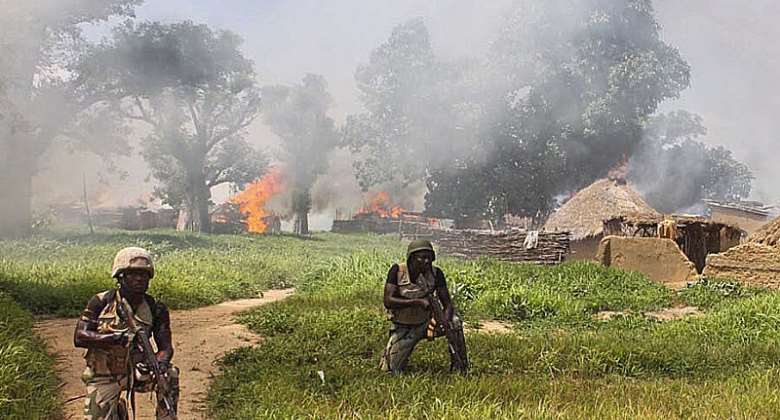
In the context of ongoing conflicts in the Bawku region, recent episodes of violence have raised serious concerns regarding the effectiveness and reliability of local security measures and intelligence gathering. Dr. Victor Doke, a lecturer at the Kofi Annan International Peacekeeping Training Centre, has voiced his apprehensions about the situation during a segment on Newsfile. He underscored that the resurgence of violence in a conflict that has persisted for decades could have been significantly reduced had better intelligence strategies been implemented. His assertion highlights a distinct oversight in monitoring local tensions, particularly regarding the movements of individuals like Seidu, whose anticipated return to the region was known to be a potential catalyst for unrest. Dr. Doke’s insights stress the need for a proactive and comprehensive approach to intelligence gathering.
Inspecting the flaws within current intelligence strategies, Dr. Doke argued for the necessity of actively monitoring significant events and press conferences. He believes that these occasions could offer valuable opportunities to gather intelligence about key stakeholders and potential triggers for violence. For example, he posited that leveraging such public engagements could facilitate scrutiny of individuals like Seidu and their movements, which would allow security forces to take preemptive measures. He expressed regret over the absence of such monitoring, indicating that it reflects a missed opportunity to mitigate tensions before they escalate into violence. His criticism shines a light on the importance of utilizing available resources effectively to anticipate and address potential crises.
In February 2023, Dr. Doke had sounded an alarm about the risks associated with Seidu’s return to Bawku, asserting that permitting his entry could have dire consequences for community stability. Subsequent events validated his concerns, as Bawku experienced three violent days characterized by shootings and widespread disruption that left the community reeling. Recollecting these events, Dr. Doke emphasized the critical importance of proactive measures to prevent unrest in volatile environments. His remarks underline a broader theme in security discourse: the necessity of foresight in managing local conflicts, especially those marked by historical grievances and tensions.
A particularly disconcerting aspect of the situation is the apparent ease with which Seidu entered Bawku without drawing any attention from security forces. Dr. Doke’s questions about how such an individual could infiltrate the region undetected reflect a lack of confidence in the capabilities of the security agencies operating in Bawku. The failure to recognize and respond to the potential threat posed by Seidu not only indicates serious lapses in intelligence but also raises critical questions regarding the overall security framework within the region. Addressing these issues is paramount for restoring trust in security measures and ensuring the safety of the affected communities.
The implications of these security lapses extend beyond Bawku to highlight broader systemic issues in conflict management and resolution. The complexities involved in decoding local dynamics and addressing longstanding conflicts require a sophisticated understanding of grassroots tensions. The apparent shortcomings within the intelligence community suggest an urgent need for reform and a reexamination of strategies employed in conflict zones. This reevaluation ought to encompass the integration of community insights into security protocols to better comprehend and respond to local socio-political dynamics.
In conclusion, the events in Bawku serve as a stark reminder of the critical role of effective intelligence gathering and proactive security measures in conflict-prone regions. Dr. Doke’s criticisms highlight not only specific failures in the case of Seidu’s entry but also a broader narrative about the importance of vigilance and foresight in managing community tensions. As stakeholders continue to grapple with the ramifications of these recent episodes of violence, it becomes increasingly clear that enhancing the capabilities of security forces, fostering collaboration with local communities, and improving intelligence strategies are essential components of fostering peace and stability in Bawku and similar regions.








