





Budgetary Developments Across Nigerian States: Bayelsa, Enugu, and Ondo Chart Fiscal Courses for 2025
The final quarter of 2024 witnessed significant budgetary activity in several Nigerian states as they finalized their financial blueprints for the upcoming year. Bayelsa, Enugu, and Ondo States each unveiled and approved their 2025 budgets, reflecting distinct priorities and strategic approaches to address their respective economic and developmental challenges. These budgets, ranging in size and focus, underscore the diverse fiscal landscapes across the nation and the commitment of state governments to allocate resources towards critical sectors and stimulate growth within their jurisdictions.
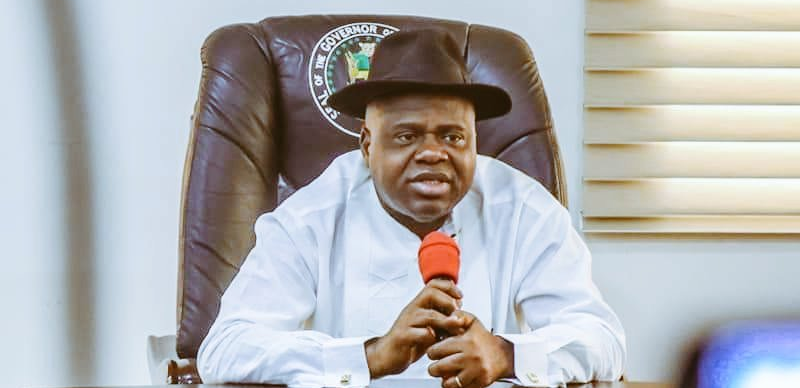
In Bayelsa State, Governor Douye Diri signed a revised 2025 appropriation bill into law, totalling N699,573,167,592. This marked a notable increase of N10,132,818,675 from the initial proposal presented by the governor in October. The upward revision likely reflects adjustments based on further analysis of state needs and revenue projections. Governor Diri emphasized the anticipated positive impact of the budget on the lives of Bayelsa citizens, directing all government agencies to align their activities with the approved budget’s provisions. The specific sectoral allocations within the Bayelsa budget were not detailed in the immediate reports, but the governor’s emphasis suggests a focus on key areas driving development and improving the well-being of the populace.
Enugu State, under the leadership of Governor Peter Mbah, saw the enactment of a significantly larger budget, reaching N971 billion. Governor Mbah, during the signing ceremony, hailed the budget as a "massive Christmas gift" to the people of Enugu and highlighted its potential to fuel exponential economic growth and inclusive prosperity. He underscored the importance of addressing the development challenges across the state, ensuring that no section or individual is left behind. The "Budget of Exponential Growth and Inclusive Prosperity," as it was termed, signals the government’s intent to prioritize investments that stimulate economic expansion while ensuring equitable distribution of benefits across the state’s population. The specifics of sectoral allocations would provide further insight into the targeted areas of investment and development under Governor Mbah’s vision.
Ondo State’s 2025 budget, passed by the State House of Assembly, amounted to N698,659,496,000. This figure, representing a N43 billion increase from the initial proposal, signifies a commitment to expanding state-funded initiatives and projects. The budget outlines N265,037,496,000 for recurrent expenditure, covering the day-to-day operations of government, and N433,622,000,000 for capital expenditure, focusing on long-term investments in infrastructure and development projects. The significant allocation to capital expenditure suggests a focus on stimulating economic growth through infrastructure development and potentially job creation. Speaker Olamide Oladiji expressed confidence in the budget’s capacity to drive economic progress and support the execution of key projects crucial for Ondo State’s development.
The budgetary processes in these three states reflect the varied approaches taken by state governments to address their unique circumstances and development objectives. Bayelsa’s revised budget highlights a responsive approach, adjusting allocations based on emerging needs. Enugu’s substantial budget underscores an ambitious plan for economic growth and inclusive development. Ondo State’s budget, with its emphasis on capital expenditure, points towards a strategy of investing in infrastructure to drive economic activity and create opportunities for its citizens. Further details on the specific sectoral allocations within each budget will provide a more nuanced understanding of the prioritized areas of investment and their potential impact on the respective states.
The timely passage of these budgets is crucial for ensuring the smooth implementation of government programs and the timely delivery of essential services to the citizens. These fiscal plans represent more than just financial documents; they serve as roadmaps for the states’ development trajectories in the coming year. They reflect the priorities of the respective governments and their commitment to utilizing public funds to address the needs of their constituents and foster progress within their states. The effectiveness of these budgets will depend on prudent financial management, transparency in implementation, and a commitment to accountability in ensuring that public resources are used judiciously and effectively.
The variations in budget sizes and priorities across these states highlight the diversity of Nigeria’s economic landscape. Each state faces unique challenges and opportunities, and their respective budgets reflect tailored strategies for addressing these circumstances. The focus on key sectors such as infrastructure, education, healthcare, and job creation, while varying in emphasis across the states, underscores the shared goal of improving the lives of citizens and creating a more prosperous future. The successful implementation of these budgets will be instrumental in achieving these goals and driving progress at the state level, contributing to the overall national development agenda.








