









Paragraph 1: Introduction
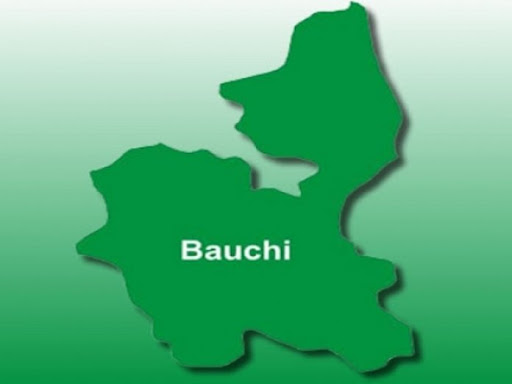
The Bauchi State Government in Nigeria has recently announced a significant policy shift in its education sector, mandating the Basic Education Certificate Examination (BECE) for all students graduating from basic education, encompassing both public and private schools. This decision underscores the government’s commitment to enhancing educational standards and equipping students with the necessary credentials for further academic and professional pursuits. The BECE, a crucial stepping stone in the Nigerian educational system, serves as a gateway to senior secondary education and various higher learning institutions. This policy signifies a decisive move by the Bauchi State government to strengthen the foundational education of its young populace and aligns with its broader objective of improving the overall quality of education in the state.
Paragraph 2: The Significance of the BECE
The BECE holds paramount importance in the Nigerian education system. It assesses students’ comprehension of the fundamental subjects taught during the basic education cycle, typically spanning nine years. This examination serves as a critical benchmark, evaluating students’ readiness to progress to the next level of education. The BECE certificate, therefore, acts as a vital credential for admission into senior secondary schools and serves as a foundational qualification for further education and vocational training. By mandating the BECE, the Bauchi State government aims to ensure that all students acquire a recognized certification that validates their completion of basic education and facilitates their access to higher educational opportunities.
Paragraph 3: Rationale Behind the Mandate
The decision to make the BECE compulsory stems from the Bauchi State government’s recognition of the pivotal role of this examination in a student’s educational trajectory. The government believes that ensuring all students obtain the BECE certificate will significantly bolster their academic foundation, providing them with the essential skills and knowledge to excel in future academic pursuits. This policy also aims to empower young people by equipping them with the necessary credentials for long-term academic and professional success. The mandate is part of the state government’s broader efforts to uplift the quality of education and improve educational outcomes for all students in Bauchi State.
Paragraph 4: Implementation and Stakeholders’ Roles
To effectively implement this new policy, the Bauchi State Ministry of Education has called upon the active participation of all stakeholders in the education system. Parents and guardians are urged to ensure that their children are properly registered for the BECE and actively participate in the examinations. School administrators are tasked with facilitating the registration process and providing the necessary support to students preparing for the examination. The collaborative efforts of these stakeholders are crucial to the successful implementation of this policy and the achievement of its intended objectives.
Paragraph 5: Broader Educational Reforms
The mandatory BECE policy forms part of a larger set of educational reforms being undertaken by the Bauchi State government under the leadership of Governor Bala Mohammed. These reforms reflect the government’s commitment to improving the overall quality of education within the state and ensuring that students receive a well-rounded education that equips them with the skills and knowledge needed to thrive in the 21st century. The government’s focus on education demonstrates its recognition of the transformative power of education in driving socio-economic development and empowering individuals to reach their full potential.
Paragraph 6: Conclusion and Future Implications
The Bauchi State government’s decision to mandate the BECE represents a significant step towards strengthening the foundation of education in the state. By ensuring all students obtain this essential certification, the government aims to enhance educational standards, improve access to higher learning opportunities, and empower young people for future success. This policy has far-reaching implications for the future of education in Bauchi State, potentially leading to improved educational outcomes and a more skilled and competitive workforce. The success of this policy, however, hinges on the collaborative efforts of all stakeholders, including parents, guardians, school administrators, and the government itself. The collective commitment to providing quality education will undoubtedly shape the future of education and contribute to the overall development of Bauchi State.









