





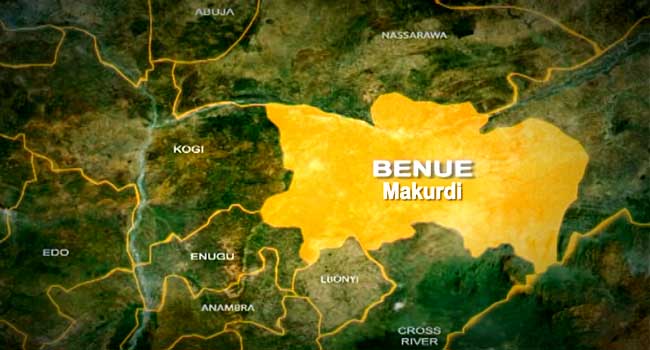
The Christmas Day attacks on three communities in Benue State, Nigeria, have left a trail of devastation and displacement. Ityuluv, Tse Azege, and Innyiev ya, once vibrant hubs of life and celebration, now stand as desolate ghost towns, abandoned by their terrified residents in the wake of the violence. The attacks, which occurred between 1 pm and 2 pm, shattered the festive atmosphere of Christmas Day, leaving 11 people dead and forcing the remaining population to flee for their lives. The sudden and brutal nature of the attacks, coupled with the sophisticated weaponry employed by the assailants, has instilled a deep sense of fear and insecurity among the survivors, who are now scattered across neighboring communities, seeking refuge and grappling with the trauma of their experience.
The absence of cattle accompanying the attackers distinguishes this incident from the typical herder-farmer clashes that have plagued the region. According to James Yengen, the kindred head of Itulu in Mkomon district, the attackers were not herdsmen but rather terrorists equipped with advanced weaponry. This observation raises critical questions about the identity and motives of the attackers, pointing towards a potentially more sinister and organized threat than previously anticipated. The use of sophisticated weapons further underscores the gravity of the situation, suggesting a level of planning and resources that goes beyond the usual communal clashes. This distinction raises concerns about the evolving security landscape in the region and the potential for further escalation of violence.
As of Saturday, two individuals remained missing, their fate unknown amidst the chaos and displacement. Two others were receiving medical treatment for their injuries, bearing physical testament to the brutality of the attacks. The psychological scars inflicted on the entire community, however, run much deeper. The sudden loss of life, the forced displacement, and the constant fear of further attacks have left an indelible mark on the survivors, who now face the daunting task of rebuilding their lives and communities from scratch. The emotional toll of this tragedy will undoubtedly linger for years to come, requiring extensive support and resources to help the affected communities heal and recover.
The attacks have exposed the vulnerability of these rural communities and highlighted the urgent need for increased security measures in the region. The fact that the attackers could operate with such impunity, striking at the heart of the communities during a major holiday, underscores the inadequacy of existing security arrangements. The government must take swift and decisive action to address this security lapse, deploying adequate resources and personnel to protect vulnerable populations and prevent future attacks. This includes not only bolstering security presence but also addressing the root causes of the conflict, fostering dialogue and reconciliation between different groups, and promoting sustainable peace-building initiatives.
The Benue State government, in collaboration with federal authorities and security agencies, faces the immense challenge of restoring peace and security in the affected areas. This requires a multi-pronged approach that addresses both the immediate needs of the displaced population and the long-term goal of preventing future violence. Providing adequate humanitarian assistance, including shelter, food, medical care, and psychosocial support, is crucial for the immediate well-being of the displaced communities. Simultaneously, a comprehensive investigation into the attacks must be conducted to identify the perpetrators and bring them to justice. This will send a strong message that such acts of violence will not be tolerated and will contribute to restoring confidence in the rule of law.
Beyond the immediate response, a long-term strategy for peace and security must be developed and implemented. This should involve engaging with local communities, addressing the underlying grievances that contribute to conflict, and promoting inter-communal dialogue and reconciliation. Strengthening local governance structures and empowering communities to participate in their own security can also contribute to creating a more secure and resilient environment. Ultimately, building sustainable peace in Benue State requires a concerted effort from all stakeholders, including government agencies, security forces, community leaders, and civil society organizations, working together to address the root causes of conflict and promote a culture of peace and tolerance.








