





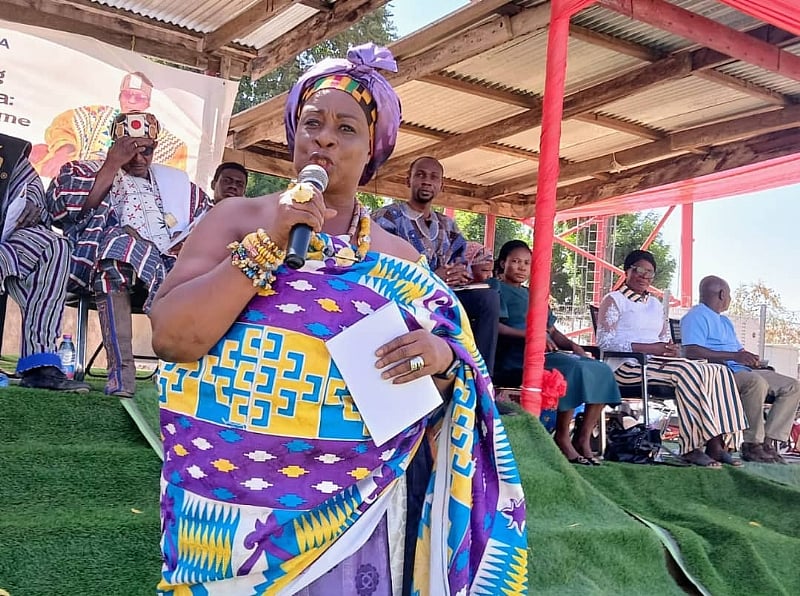
The Bongo Traditional Area, located in the Upper East Region of Ghana, has taken a resolute stance against child marriage. Led by Paramount Chief Naba Baba Salifu Atamale Lemyaarum, the chiefs have publicly declared their commitment to eradicating this harmful practice. This declaration was made during a durbar organized by the Obaapa Development Foundation, with support from the United Nations Population Fund (UNFPA). The durbar, themed “Commitment of ending child marriage: one paramountcy at a time,” served as a platform for the Bongo Paramountcy to formally announce their dedication to combatting child marriage and promoting girls’ education.
Child marriage remains a pressing concern in the Bongo District, despite a decline in recent years. The chiefs recognize the potential for the practice to resurge due to prevailing poverty levels, highlighting the timeliness of the UNFPA’s intervention. The project aims to empower local stakeholders, including traditional authorities, to address child and forced marriage, as well as other forms of abuse and dehumanizing socio-cultural practices against women and girls. This initiative aligns with the broader effort to remove barriers hindering women and girls’ progress in education and contribute to achieving the Sustainable Development Goals, particularly Goal 5, which emphasizes gender parity by 2030.
The Paramount Chief outlined a comprehensive strategy to combat child marriage within the Bongo Paramountcy. Divisional chiefs and Queenmothers will play a crucial role in educating their communities about the detrimental effects of child marriage and the importance of supporting girls’ development. The approach focuses on raising awareness and fostering understanding rather than resorting to forceful measures. The chiefs believe that by educating the community about the benefits of ending child marriage, they can achieve lasting change. A working committee comprising chiefs, Queenmothers, assembly members, and other relevant stakeholders will be established to develop guidelines and ensure coordinated efforts.
Nanahema Adwoa Awindor, Executive Director of the Obaapa Development Foundation, emphasized the prevalence of child marriage in Ghana based on research conducted by UNFPA and its partners. She highlighted the project’s strategic focus on leveraging the influence of traditional and religious leaders to combat the practice, adopting a targeted approach of engaging one paramountcy at a time. The project has provided training to chiefs and traditional leaders on relevant laws and policies related to child marriage, equipping them with the knowledge and tools to drive meaningful change within their communities.
The initiative has garnered strong support from key figures within the Bongo Traditional Area. Poganaba Felicia Agampoka, Queenmother of Feo community and Secretary of the Bongo Queenmothers Association, praised the project for providing an opportunity to strengthen existing efforts to protect adolescents. Madam Rita Abamah, the Bongo District Girl Child Officer of the Ghana Education Service, underscored the devastating impact of child marriage on girls’ futures and urged all stakeholders to join the fight to eliminate this harmful practice. Their endorsements reflect a collective commitment to safeguarding the rights and well-being of girls in the Bongo District.
The declaration by the Bongo Traditional Area chiefs marks a significant step in the ongoing fight against child marriage in Ghana. By prioritizing education, community engagement, and collaboration among stakeholders, this initiative holds promise for creating a more equitable and empowering environment for girls. The UNFPA’s support, coupled with the dedication of the chiefs and community leaders, provides a strong foundation for achieving sustainable change and ensuring a brighter future for girls in the Bongo District. The collaborative approach, involving traditional leaders, community members, and government agencies, demonstrates a unified front against child marriage and a strong commitment to upholding the rights of girls. The emphasis on education and awareness-raising is crucial for shifting social norms and empowering communities to protect their children. The project’s long-term success will depend on sustained efforts, ongoing monitoring, and continued collaboration among all stakeholders.








