





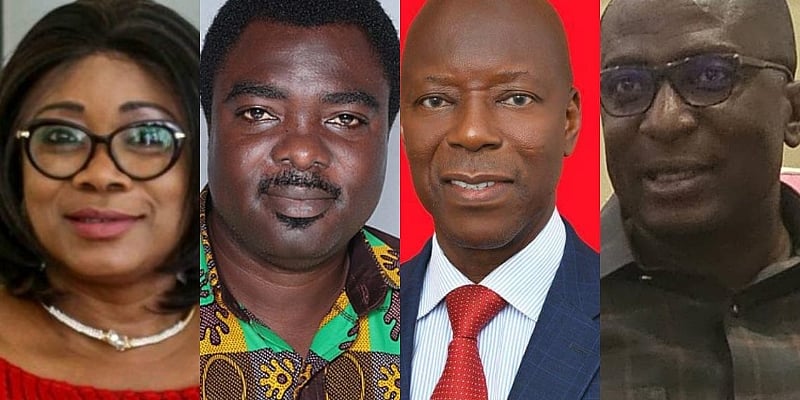
In a significant legal dispute stemming from the Ghanaian political landscape, businessman Benjamin Yemoh Tetteh has initiated a lawsuit in the High Court, seeking official validation of the Speaker of Parliament, Alban Bagbin’s, recent decision to declare four parliamentary seats vacant. The lawsuit, dated October 25, 2024, argues that these Members of Parliament (MPs) vacated their positions by filing nominations to contest the elections as independent candidates, thereby violating the stipulations of their original electoral agreement. Tetteh asserts that this legal action is not only justified but necessary to uphold the integrity of the legislative process in Ghana, as set forth by the constitutional framework.
Through this writ, Tetteh has outlined specific judicial reliefs he is seeking, directed at both Speaker Bagbin and the four involved MPs—Andrew Asiamah Amoako, Cynthia Mamle Morrison, Kwadwo Asante, and Peter Yaw Kwakye-Ackah. Primarily, he seeks a court declaration that recognizes the legality of Speaker Bagbin’s ruling under Articles 97(1)(g) and (h) of the 1992 Constitution of Ghana, which mandates MPs to vacate their seats if they leave their party or intend to run as independents. Furthermore, Tetteh is requesting an interlocutory injunction that prohibits the four MPs from accessing Parliament and performing any related duties until the case is fully resolved. Additionally, he asks for a perpetual injunction to permanently bar these MPs from parliamentary activities.
The background to this legal contention can be traced to an earlier decision made on October 17, when Speaker Bagbin officially declared the four parliamentary seats vacant. This move was prompted by a petition submitted by the Minority Leader, Dr. Cassiel Ato Forson, referencing Article 97(1)(g) of the Constitution. This provision explicitly states that MPs must vacate their seats upon leaving their party or announcing their candidacy as independents. However, the Majority Leader of the New Patriotic Party (NPP), Alexander Afenyo-Markin, contested Bagbin’s ruling, leading to the filing of an appeal in the Supreme Court. Subsequently, the Court issued a ruling on October 18, allowing the MPs to retain their positions temporarily until a definitive judgment was reached.
Following this Supreme Court ruling, political tensions escalated further when Speaker Bagbin announced the indefinite adjournment of parliamentary sessions on October 22, citing a lack of quorum. The affected MPs—Cynthia Morrison from Agona West, Kwadjo Asante representing Suhum, Andrew Amoako Asiamah from Fomena, and Peter Kwakye Ackah from Amenfi Central—were accused of violating constitutional norms through their political maneuvers, which included switching party allegiances and declaring their intentions to run as independents. These actions have set the stage for an ongoing legal and political saga that has signaled underlying fractures within Ghana’s parliamentary setup.
As the case unfolds, it raises several critical questions about the interpretations of the Constitution and the rights of MPs within the framework of Ghana’s representative democracy. Tetteh’s assertion that the MPs have vacated their seats may reflect broader concerns among constituents regarding the political integrity of elected officials and their adherence to party loyalty. The legal proceedings thus not only aim to determine the eligibility of the four MPs but also represent a broader discourse on accountability and political representation in Ghana. The implications of this case could set vital precedents for future electoral practices and the dynamics of party politics within the nation.
The conflict between the Speaker’s interpretations and the opposing views from the Majority Leader signifies a deeper power struggle within the Ghanaian political system. As both sides prepare for a judicial adjudication, the outcome of Tetteh’s lawsuit has the potential to reshape the conduct within Parliament and could either reinforce or challenge the existing political status quo. Moreover, the appeal process and eventual Supreme Court verdict will carry significant weight in defining the legal obligations of MPs and the implications of their candidacies in relation to party affiliation.
In conclusion, this legal battle encapsulates the complexities of Ghanaian politics, showcasing the interplay between constitutional provisions and the realities of political loyalties. As the High Court prepares to consider Tetteh’s requests, all eyes will be on how the judiciary grapples with these emerging challenges in a landscape often characterized by shifting alliances and contested party loyalties. The resolution of this case may provide critical insights not only for the future of the involved MPs but also for parliamentary democracy in Ghana as a whole, reinforcing the need for clarity and adherence to the principles underlying democratic governance.








