





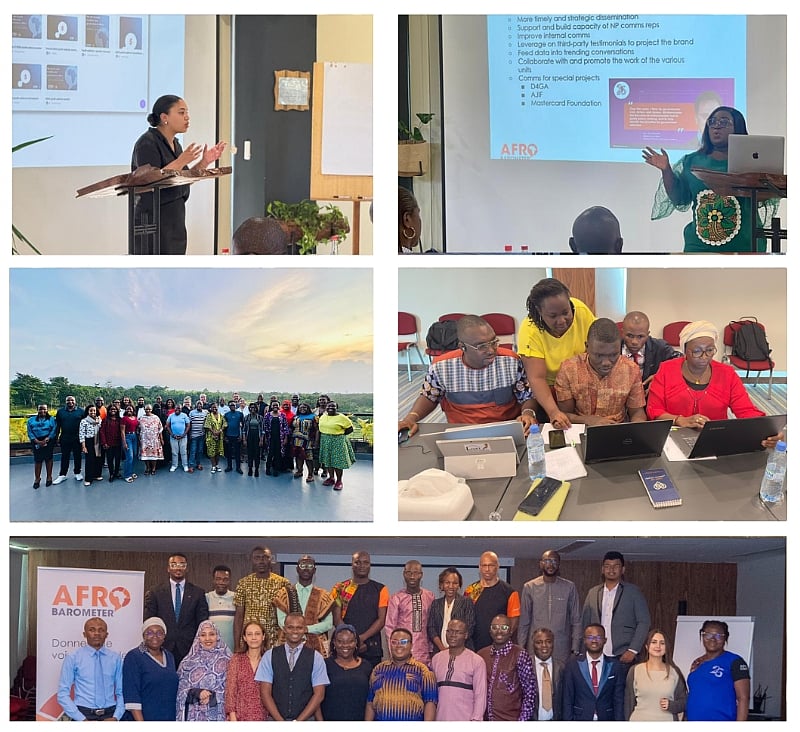
Empowering African Voices: Afrobarometer Strengthens Communications Capacity of National Partners
Afrobarometer, a leading pan-African research network specializing in public attitude surveys, has concluded a series of intensive workshops designed to enhance the communication capabilities of its national partners. These workshops, held in Adukrom, Ghana for English-speaking partners and Abidjan, Côte d’Ivoire for French-speaking partners, focused on equipping communications officers with the skills and strategies necessary to effectively disseminate Afrobarometer’s valuable research findings to a broader audience. Recognizing the critical role of effective communication in amplifying the impact of their data, Afrobarometer prioritized training in media engagement, digital communication, and strategic messaging. This initiative underscores the organization’s commitment to bridging the data gap in Africa and fostering informed public discourse on critical issues related to governance, democracy, and development.
The workshops served as a platform for participants to review past communication activities, align national strategies with Afrobarometer’s overarching 2025 vision, and refine their skills in communication, dissemination, and media engagement. A key highlight of the training was a practical media training module, which provided participants with hands-on experience in handling media interviews and securing impactful media coverage for Afrobarometer’s activities. This practical approach equipped communications officers with the tools to effectively navigate the media landscape and ensure that the organization’s research findings reach a wider audience. The training curriculum also encompassed crucial topics such as leveraging digital tools for communication, managing internal and external communications effectively, and mastering persuasive writing techniques.
The comprehensive nature of the training aimed to equip participants with a holistic understanding of effective communication strategies, encompassing both traditional and digital media. The curriculum was designed to empower communications officers to craft compelling narratives around Afrobarometer’s data, engage with diverse audiences, and ultimately amplify the impact of the research findings on policy discussions and public discourse. By strengthening the communication capacity of its national partners, Afrobarometer is investing in the long-term sustainability of its mission to provide credible data and insights on African public opinion.
Testimonials from participants highlighted the transformative impact of the training. Angella Nakasujja, communications officer for Hatchile Consult Ltd., Afrobarometer’s national partner in Uganda, emphasized the practical value of the program. She noted that the training provided her with invaluable skills in managing media interviews, crafting engaging social media content, and effectively disseminating Afrobarometer’s data to a global audience. This sentiment underscores the effectiveness of the training in equipping participants with the necessary skills and confidence to effectively communicate complex research findings to diverse stakeholders.
The training sessions underscored key components of Afrobarometer’s communication strategy, which is deeply intertwined with the organization’s broader strategic plan. This strategy prioritizes enhancing the effectiveness of dissemination and communication efforts to reach key target audiences, effectively promote research findings, and make complex analyses accessible to a wider public. The ultimate goal is to solidify Afrobarometer’s position as the premier source for reliable data on African public attitudes, informing policy discussions and contributing to evidence-based decision-making. By empowering national partners to effectively communicate research findings, Afrobarometer is strengthening its network and expanding its reach across the continent.
The training also aimed to amplify the impact of Afrobarometer data by stimulating demand among policymakers, researchers, civil society actors, and the public. By fostering greater engagement with its data, Afrobarometer seeks to contribute meaningfully to critical discussions on governance, democracy, and development across Africa. The organization’s commitment to data accessibility and transparency is reflected in its open-access policy, making all datasets publicly available on its website and providing a free online data analysis tool. This approach ensures that the valuable insights gleaned from Afrobarometer’s research can be widely utilized to inform policy and promote positive change across the continent. The organization’s work plays a crucial role in bridging the data gap in Africa and empowering citizens to have a voice in shaping their future.








