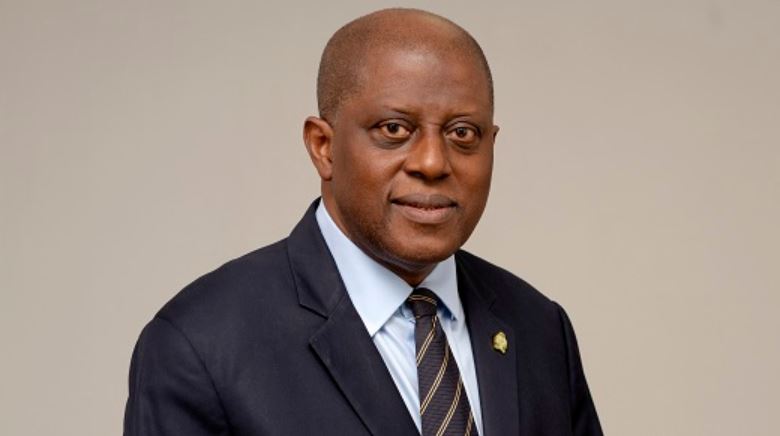
Olayemi Cardoso, the Governor of the Central Bank of Nigeria (CBN), recently expressed optimism regarding the country’s future economic growth as a result of government reforms during his address at the FT Africa Summit in London. He noted a conservative economic growth projection of approximately 3.6 percent for 2025, as indicated by the World Bank, while emphasizing that these ongoing reforms would ultimately place Nigeria in a stronger position for future growth. Cardoso’s commitment to implement necessary measures to manage inflation was underscored, particularly as Nigeria grapples with a significant rise in inflation rates, which soared to 32.70 percent in September. This spike in inflation is attributed to rising food and energy costs, as well as the government’s controversial decisions to eliminate fuel and electricity subsidies.
Despite noting the anticipated moderation of headline inflation in the upcoming months, Cardoso highlighted the persistent challenge of food inflation, which remains a primary concern for the government and the central bank. He affirmed that the CBN is diligently collaborating with governmental agencies to address the food price crisis reflecting on the importance of maintaining momentum in the current reform efforts. Given the substantial interest shown by foreign investors, triggered by the economic adjustments made in Nigeria, Cardoso argued that it would be premature to halt these reforms at this critical juncture, as they are beginning to yield positive signals in the marketplace.
Furthermore, Cardoso emphasized how recent interactions with global finance leaders, such as Citigroup’s CEO Jane Fraser and JPMorgan’s Jamie Dimon, showcase the heightened interest in Nigeria’s economy. The CBN governor noted that the relative stabilization and moderation of the Nigerian currency have rendered the economy more competitive, and he believes this newfound interest will contribute positively to Nigeria’s economic landscape. He expressed confidence that these reforms will foster an environment ripe for growth, urging stakeholders to continue their commitment to the transformative processes underway.
In discussing foreign exchange availability, Cardoso reassured stakeholders that recent measures undertaken by the CBN have been successful in restoring investor confidence. He explained that complaints concerning access to foreign exchange have significantly diminished compared to previous periods when accessibility was severely restricted. Highlighting the enhanced depth of the forex market, Cardoso conveyed that foreign currency is now more readily available, a factor which is likely to further bolster investor sentiment.
The Nigerian naira has recently experienced a strengthening within the official trading window on the FMDQ Exchange, reflecting a positive change as the exchange rate improved from 1670.65 to 1630.45 against the US dollar. This shift was accompanied by a notable increase in daily turnover, which rose significantly from $81.17 million to $242.59 million. Cardoso attributed this improved currency performance and trading activity to the successful implementation of reform initiatives and the growing trust among investors.
In conclusion, Governor Olayemi Cardoso’s presentation at the FT Africa Summit encapsulated a cautious yet hopeful narrative concerning Nigeria’s economic path forward. By emphasizing the importance of ongoing reforms, addressing inflation challenges, and demonstrating growing foreign interest, Cardoso painted a picture of a resilient and adaptive Nigerian economy poised for future growth. The central bank’s responsive engagement in managing both inflation and forex availability suggests a strategic positioning that underlines potential progress within Nigeria’s economic landscape in the years ahead.