Caverton Marine, a key player in Nigeria’s oil and gas logistics sector, has emphasized the critical importance of safety in the marine industry during a recent stakeholders meeting in Abuja. The event, facilitated by the National Inland Waters Authority and chaired by the Minister of Marine and Blue Economy, Gboyega Oyetola, focused on establishing safety protocols that would enhance the use and development of Nigeria’s waterways. CEO Olabode Makanjuola highlighted that prioritizing safety could not only transform water transport but also ensure a reliable transportation alternative for the public. This commitment to safety is embedded in Caverton’s corporate identity and reflects a broader call for collaboration among marine stakeholders to boost safety practices throughout the industry.
In his address, Makanjuola underscored the significance of safety as foundational to all aspects of Caverton’s operations, particularly in the challenging logistics of transporting personnel and equipment in oil and gas. He pointed out that the company’s robust safety record demonstrates its dedication to maintaining high safety standards, making it the preferred partner for major industry players. This commitment, according to him, is now being extended to water transportation, where Caverton aims to set a benchmark for safety and operational excellence. The vision is not limited to service provision; it encompasses a transformative impact on the sector itself.
Caverton’s initiatives in marine safety involve utilising advanced technology and rigorous training practices for its crew. Makanjuola emphasized that the company’s vessels come equipped with cutting-edge safety features and that the crew undergoes thorough safety training and certifications. He described their safety practices as exceeding industry standards with strict maintenance schedules and up-to-date safety protocols. Furthermore, real-time monitoring systems are implemented to ensure operational integrity. Makanjuola’s message signals a strategic approach to revamping water transportation, with safety as a core pillar.
Reflecting on the potential of Nigeria’s waterways, Makanjuola stated that they represent untapped resources that are poised for development. He argued that a dedicated operator focused on safety could redefine water transport in Nigeria, moving beyond mere logistics to achieving broader societal benefits. Caverton’s initiative is not just about improving transportation services; it also aims to foster a comprehensive transformation of the marine transport landscape. This vision paints an optimistic future for reliable, safe, and professional water transportation, setting high expectations for industry standards.
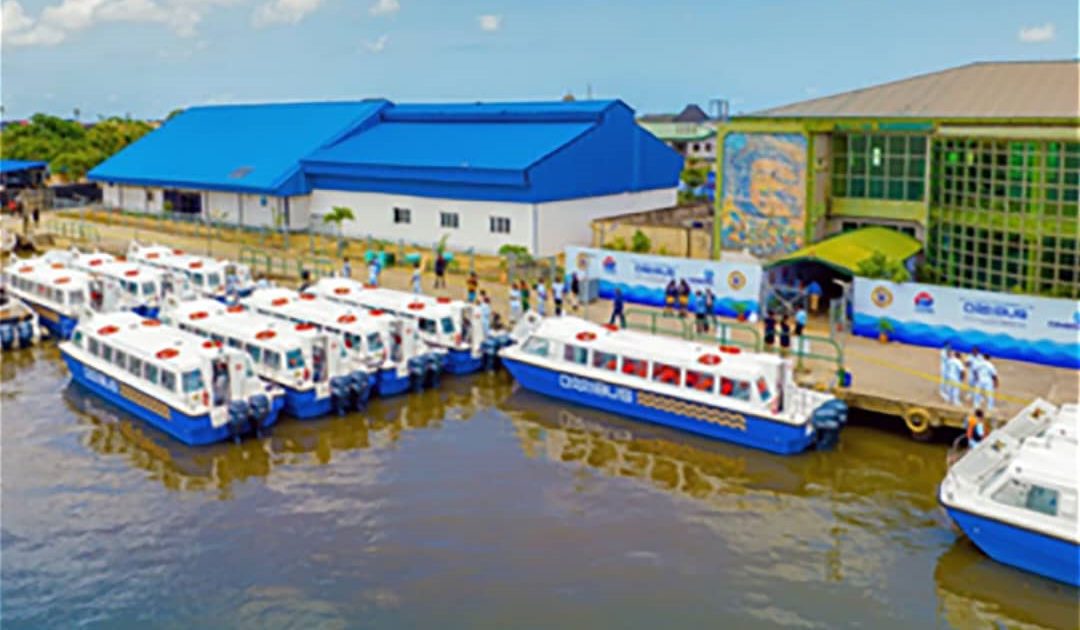
Earlier in the year, Caverton made headlines by partnering with the Lagos State Government to introduce 25 locally built Omnibus FRP 40-passenger ferries, furthering the cause of effective and sustainable water transport. This initiative reflects a commitment to improve infrastructure in Lagos and supports global sustainable development goals through public-private partnerships. As part of its mission, Caverton is focused on offering safe and efficient transport options, showcasing its ambition to enhance urban mobility via waterways.
Moreover, Caverton Marine has plans for growth beyond Lagos. Current operations include expanding services to states like Anambra and Edo while exploring potential partnerships in other African nations such as Benin, Senegal, and Ivory Coast. These discussions indicate Caverton’s intention to broaden its operational footprint on the continent, focusing on areas including aviation and training alongside water transport. By establishing such partnerships and enhancing service offerings, Caverton is setting the stage for significant contributions to the growth and safety of marine transport, not just within Nigeria but across the African region.